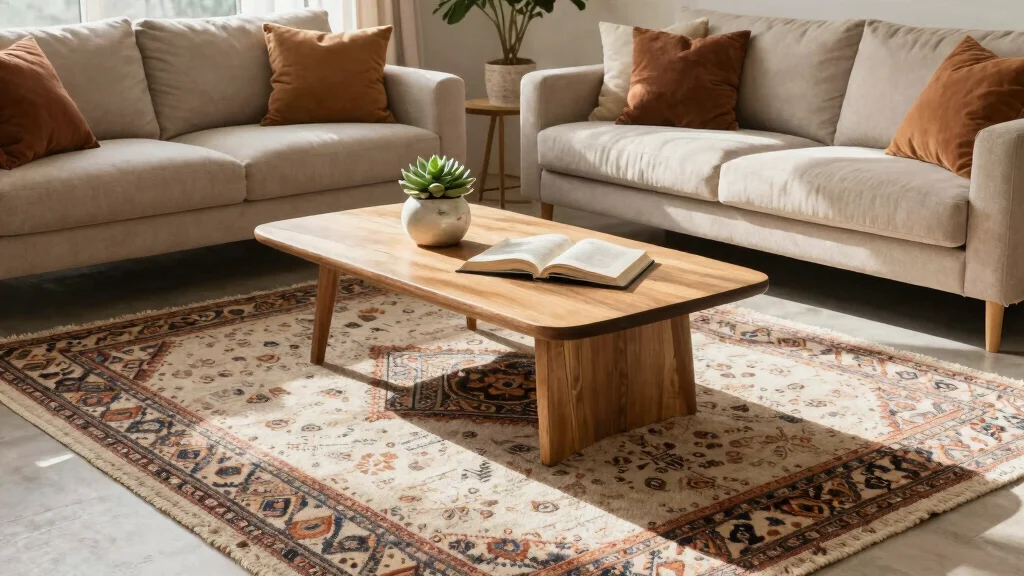
Layering rugs is one of the hottest trends in modern home decor that can transform your space into a designer haven. If you’ve been scrolling through Pinterest or Instagram, you’ve likely seen stunning images of layered rugs that create warmth and dimension. This post was created to dive into the art of rug on rug styles, serving as your guide to curating beautiful, texturally rich floors in your home.
If you’re someone who enjoys adding unique touches to your living spaces, this post is just for you. Whether you’re a seasoned interior design enthusiast or a first-time decorator, layering rugs can add a level of sophistication and comfort to your home. You’ll discover curated ideas that are stylish, inviting, and perfect for crafting cozy nooks or dynamic living rooms.
In this article, you’ll find 18 inspiring rug on rug ideas that will help you achieve a designer-styled look. From bold patterns to earthy textures, each suggestion is designed to elevate your home’s aesthetic. Let’s get started on making your floors a focal point of your decor!
Key Takeaways
– Bold Patterns for a Statement Look: Combining rugs with striking patterns can create a lively and eye-catching focal point in any room.
– Go Earthy with Natural Textures: Using materials like jute or sisal can bring warmth and a grounded feel to your spaces.
– Mix and Match Textures: Experimenting with different textures can enhance visual interest and create a cozy atmosphere.
– Create Zones with Rugs: Layering rugs can define different areas in an open space, adding functionality and style.
– Incorporate Colorful Accents: Adding colorful rugs on top of neutral bases can brighten up your interior and reflect your personality.
1. Bold Patterns for a Statement Look
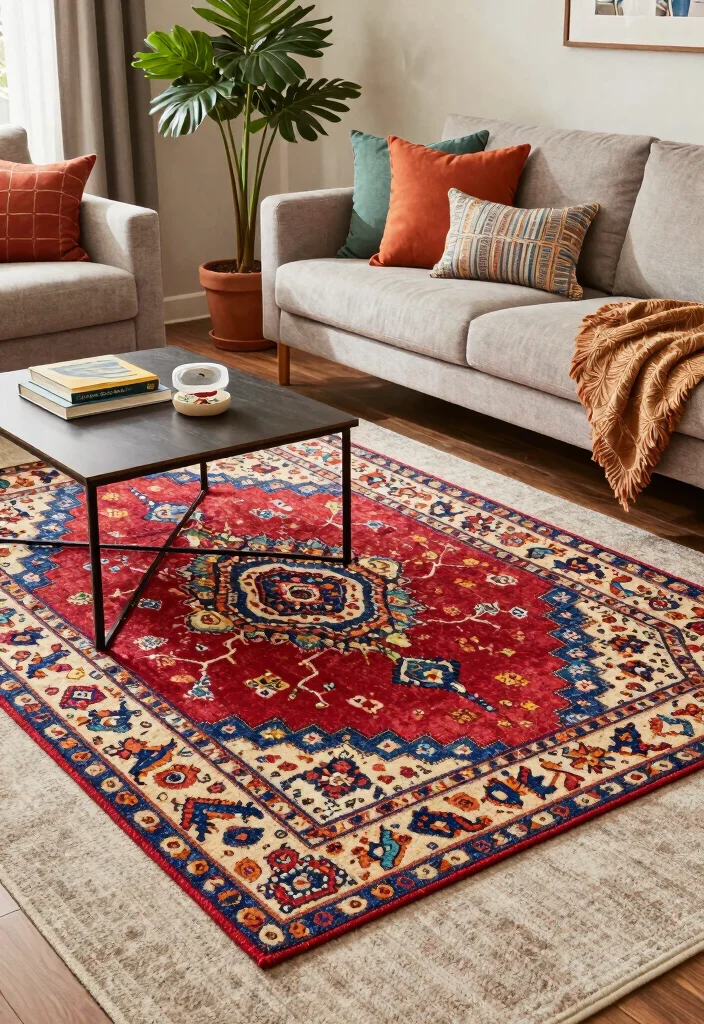
Embracing bold patterns can turn an ordinary room into a vibrant masterpiece. By starting with a large, neutral rug as a foundation, you can layer a smaller, brightly patterned rug on top, featuring striking geometric shapes or floral motifs. This interplay of scale and color creates a dynamic visual experience that energizes your space and sparks conversation.
To make the most of this look, consider combining contrasting colors to ensure they complement rather than clash. A muted base paired with a lively accent can serve as a stunning focal point. Experiment with different shapes; layering a round rug over a square one introduces an unexpected twist. Additionally, pay attention to your furniture scale; placing rugs proportionately ensures a balanced and harmonious decor.
Here are some ways to achieve this bold aesthetic:
– Pair a neutral base rug with a vibrant geometric accent
– Install a round rug atop a square foundation
– Use plush textures alongside flatter weaves
– Incorporate contrasting colors for a striking visual impact
This layered approach not only showcases your bold personality but also invites warmth and creativity into your space.
2. Go Earthy with Natural Textures
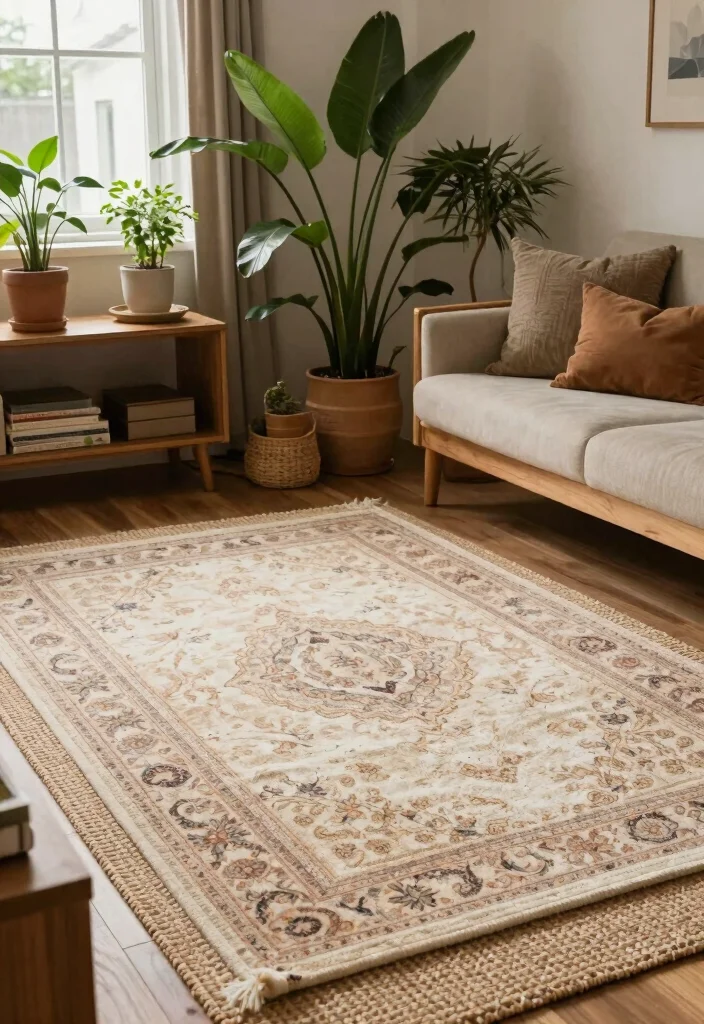
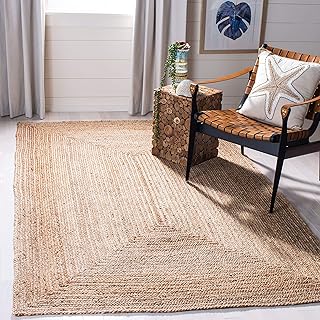
For those who cherish earthy tones and natural textures, layering rugs made from materials like jute, sisal, or wool can effortlessly bring the outdoors inside. Starting with a robust jute or sisal rug adds rustic charm and durability, while a softer, patterned wool rug layered on top brings warmth and comfort to your space.
This style offers numerous benefits: the jute provides a sturdy base ideal for high-traffic areas, while the wool ensures a cozy feel underfoot. The combination of rugged jute and soft wool creates a delightful textural contrast suited for modern bohemian aesthetics. Incorporate hues inspired by nature—think greens, browns, and tans—to create visual harmony throughout your design.
To enhance this earthy vibe, consider:
– Pair a jute rug with a patterned wool accent
– Use warm, nature-inspired colors for balance
– Incorporate wooden furniture and greenery for added warmth
– Layer rugs to create inviting, textured spaces
This approach not only feels welcoming but also establishes a deep connection with the natural environment.
How To Choose the Right Layered Rugs
When it comes to elevating your home decor with layered rugs, careful selection is key. Layering rugs can create depth and interest in a space, but choosing the right ones can feel overwhelming. Here are some essential points to guide your decision-making process.
1. Size Matters
Choosing the right size for your rugs is crucial. Start by measuring the area you want to cover. For a living room, consider using larger base rugs that fit under your furniture. A standard guideline is to leave 18-24 inches of floor space around the edges. Smaller accent rugs can then be layered on top for a stylish effect. This combination gives a cozy feel while ensuring your space looks cohesive.
2. Material Selection
Different materials offer various textures and durability levels. Natural fibers like wool and jute provide warmth, while synthetic options like nylon can be easier to clean. If you want a soft feel underfoot, go for plush materials. Keep in mind that darker colors can hide stains better than lighter options. Choose materials that suit the room’s function; for example, a durable rug is ideal for high-traffic areas, while a softer one can work well in bedrooms.
3. Color Coordination
Layering rugs allows you to play with color, but you should aim for harmony. Stick to a color palette that complements your existing decor. If you have a bold, patterned base rug, consider a solid accent rug in a color pulled from the pattern. For a more eclectic look, mix different patterns, but make sure they share a common color or theme to prevent clashing. This balance creates a visually pleasing layered effect.
4. Texture Variety
Mixing textures can add depth and interest to your floors. Try combining a flat-weave rug with a shag or a low-pile rug with a high-pile one. This contrast not only enhances the visual appeal but also creates a tactile experience. Different textures can make a room feel more inviting. When selecting rugs, think about how they will feel underfoot and how they contrast with the other elements in your space.
5. Style Compatibility
Consider your overall home style when selecting layered rugs. If you have a modern bohemian aesthetic, seek out unique patterns and colors that reflect that vibe. For a more traditional look, vintage or classic designs can work well. Ensure that the rugs you choose not only fit together but also fit your personal style and the character of the room. Trust your instincts; if something feels right, it probably is!
6. Budgeting for Rugs
Rug prices can vary greatly, so set a budget before you start shopping. High-quality rugs can be an investment, but there are also plenty of affordable options that look stylish. Consider shopping sales or exploring second-hand stores for unique finds. Remember, layering rugs can sometimes mean you can invest in a high-quality base rug while opting for a less expensive accent rug.
Pro Tip: Before making your final purchase, try laying out your rugs in the intended space. This gives you a better perspective on how they work together and can help visualize the layered look you want to achieve. Take your time to find pieces that not only match but also bring joy to your home!
3. Mix and Match Textures
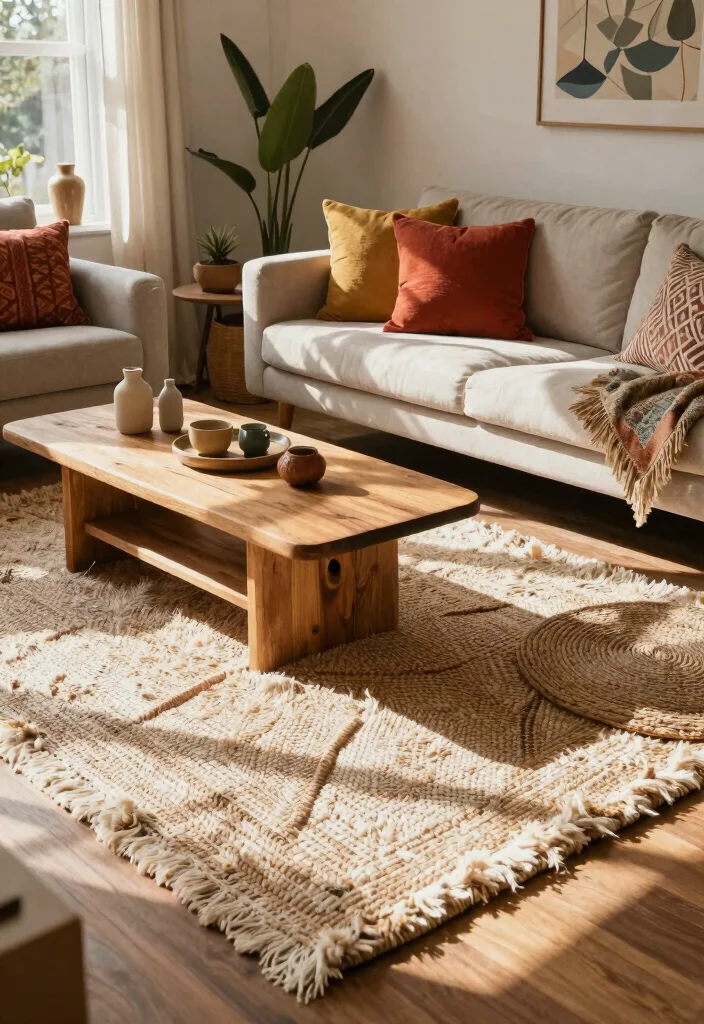
The beauty of layering rugs lies in the ability to mix various textures, adding depth and dimension to your space. Begin with a flatwoven rug as your base, then layer a plush, shaggy rug on top to create an inviting touch. The contrast in textures brings an intriguing visual depth that unifies your room.
To successfully implement this look, stick to a cohesive color palette that ties both rugs together while introducing variety. Consider the weight of each rug; a heavy, thick one can anchor a lighter, fluffier counterpart effectively. Incorporate different weave patterns, like combining a braided rug with a hand-tufted option, for added interest.
Here’s how to create a textured masterpiece:
– Use a flatwoven base rug with a plush top
– Incorporate various weave patterns for intrigue
– Position rugs at angles for a casual feel
– Choose a unified color palette to tie the look together
This method not only invites comfort but also encourages guests to linger and enjoy the cozy atmosphere.
4. Create Zones with Rugs
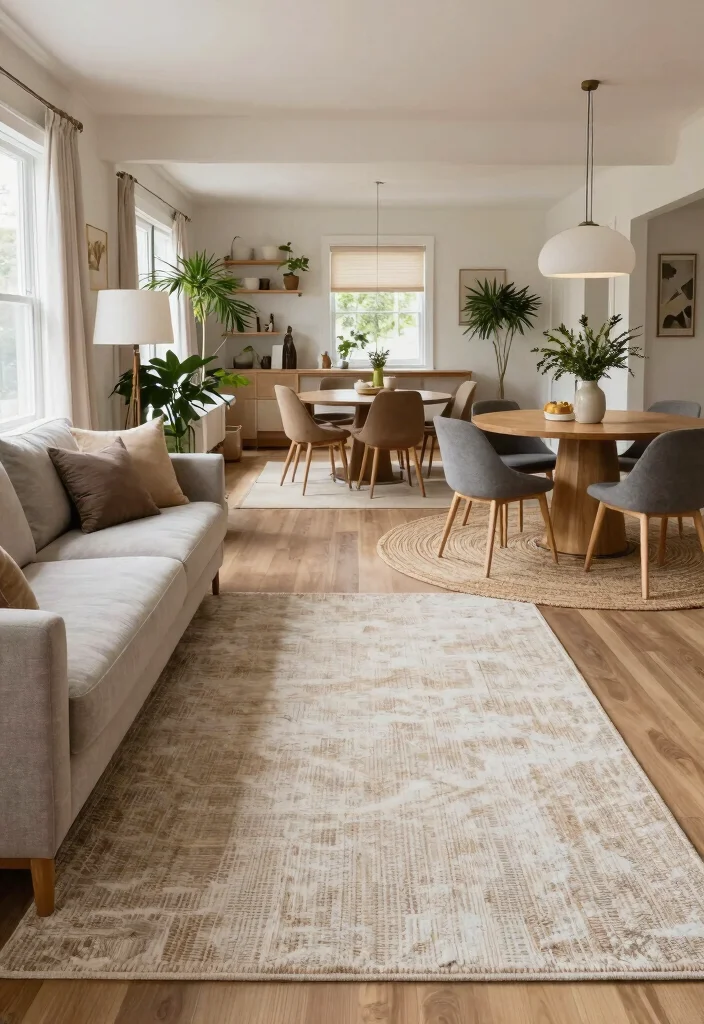
Layering rugs is an effective way to define different areas within larger spaces, especially in open-concept homes. Use a large rug to anchor the main seating area, while layering a smaller one beneath a dining table or reading nook ties everything together beautifully.
This technique not only delineates spaces but also adds warmth to your home. Choose a consistent color scheme across all rugs to maintain visual cohesion. Vary the shapes of your rugs—like placing a round one under a circular table—to soften sharp angles and create a more inviting atmosphere.
To create distinct zones, consider:
– Use a large rug to anchor the main seating
– Vary shapes for visual interest and flow
– Ensure furniture placement complements the rugs
– Layer textures to create inviting, functional areas
This approach is not only stylish but also enhances the overall flow and functionality of your home.
Create Zones with Rugs
Editor’s Choice




5. Incorporate Colorful Accents
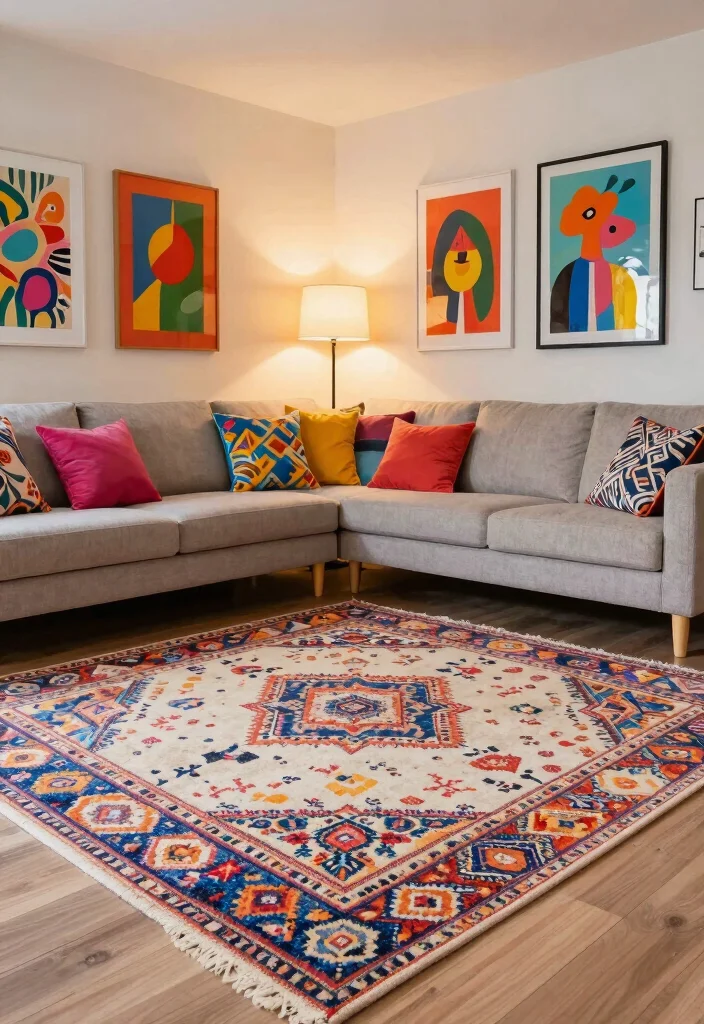
Layering rugs offers the perfect opportunity to introduce vibrant colors into your decor. Start with a neutral base rug, then layer a smaller, colorful rug showcasing bold hues or intricate patterns. This technique not only enlivens your room but also reflects your unique personality.
To achieve this vibrant look, select a color palette that resonates with your overall decor theme, ensuring harmony throughout. Don’t be afraid to mix bright colors with neutrals to maintain balance. Consider seasonal changes; swapping out the top rug for one with lighter hues during warmer months can bring a refreshing feel.
Here are some tips for colorful layering:
– Choose a cohesive color palette for unity
– Mix bright colors with neutrals for balance
– Swap rugs seasonally for a fresh look
– Layer rugs with a common color for easy transitions
This approach infuses energy into your home, creating a lively and cheerful atmosphere that invites warmth.
Incorporate Colorful Accents
Editor’s Choice
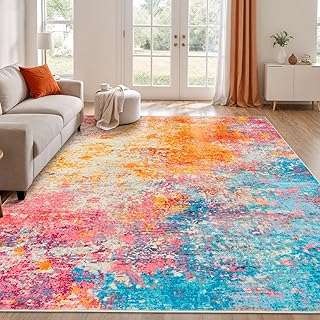


6. Play with Geometry
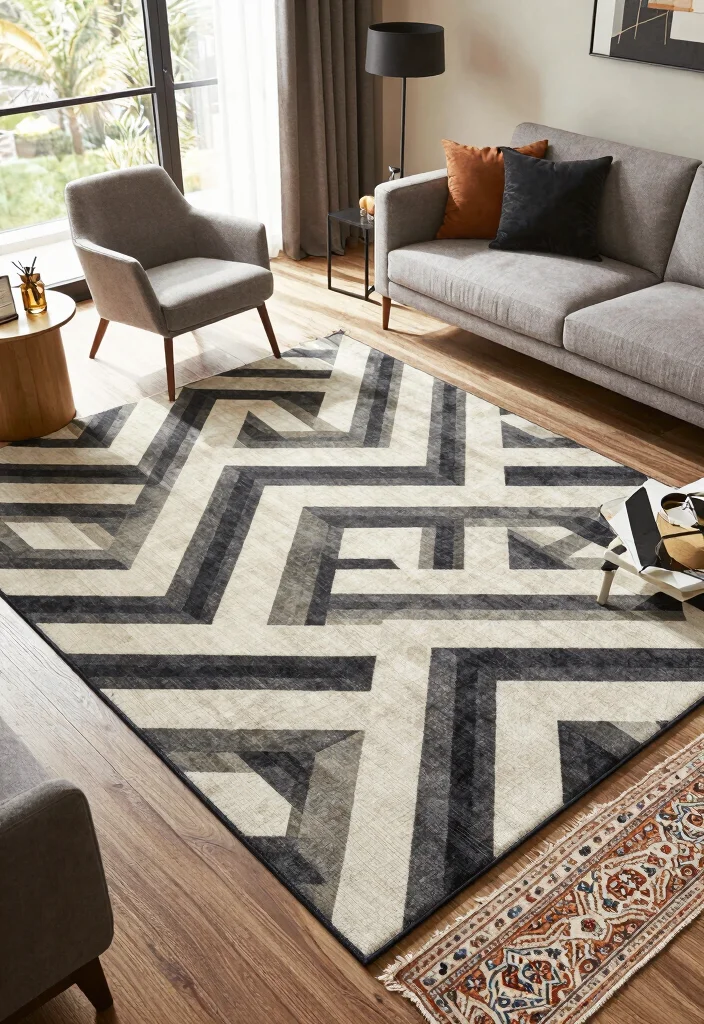
Incorporating geometric designs into your layered rug setup can add a contemporary twist. Start with a large, simple geometric-patterned rug as your foundation, and layer a smaller, intricately patterned rug on top. This combination creates an engaging visual narrative that appeals to modern sensibilities.
To make this work, ensure the rug patterns complement each other—mixing stripes with florals is acceptable as long as they share a common hue. Consider layering a round rug over a square one to introduce dynamic shapes into your design. Experiment with scale; a large rug featuring bold geometric shapes can beautifully contrast against a smaller, delicate pattern.
To enhance the geometric layering:
– Mix complementary patterns for cohesion
– Layer round rugs over square ones for dynamic contrast
– Position furniture to create a cohesive look
– Use a balanced color scheme to tie it all together
This technique enhances the modern bohemian vibe, blending contemporary and traditional elements harmoniously.
7. Layering for Comfort
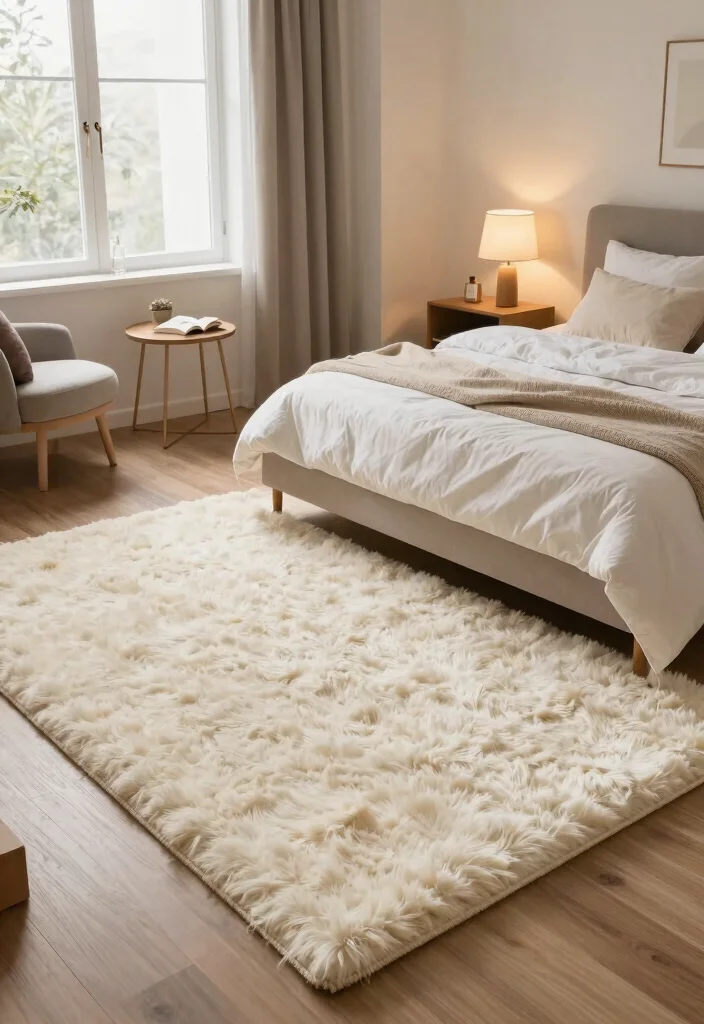
Layering rugs serves not just an aesthetic purpose but also enhances comfort. If you have hardwood or tile floors, adding layers can provide warmth and softness, making your space cozier. Start with a thick, plush rug and layer a softer, smaller rug on top for extra comfort underfoot.
When layering for comfort, choose soft materials like wool or shag for that luxurious feeling. Ensure the bottom rug is durable enough for foot traffic, while the top layer maintains its plushness. Keep color harmony in mind to avoid distractions from the cozy ambiance you’re creating.
For a comfortable layered setup, consider:
– Use soft materials for a luxurious feel
– Ensure the base rug withstands foot traffic
– Maintain a cohesive color palette
– Position rugs in high-traffic areas for maximum comfort
This layering concept creates a homely atmosphere, where every step feels like a soft embrace.
Fun fact: a rug on rug setup can add warmth—2 layers trap air for cozy feet on cold floors. Start with a plush base and top it with a softer rug for daily comfort that actually looks intentional.
8. Monochromatic Layering
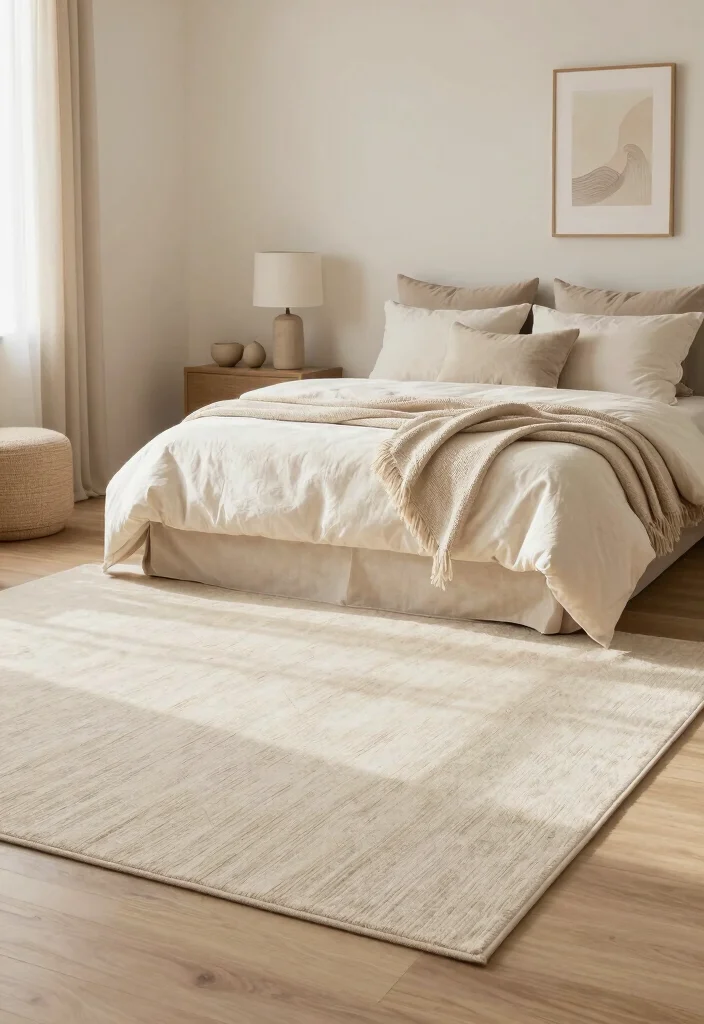
Monochromatic palettes can exude style and tranquility when layering rugs. By sticking to varying shades of a single color, you can foster a serene and harmonious atmosphere in your room. A larger, lighter rug can be layered with a darker or patterned rug in the same color family to create a chic monochromatic effect.
To master this look, choose one dominant color and select various shades, ranging from light to dark, for your rugs. Consider different textures to maintain interest; a flatweave rug paired with a plush one in the same hue adds depth and dimension. Accessorize with decor items in complementary shades to create a cohesive look throughout.
For successful monochromatic layering, remember to:
– Select a dominant color and vary its shades
– Mix textures to add depth
– Use decor accessories in the same palette
– Create a calming environment suited for relaxation
This approach results in a calm space that feels effortlessly chic and inviting.
9. Vintage Charm Throwback
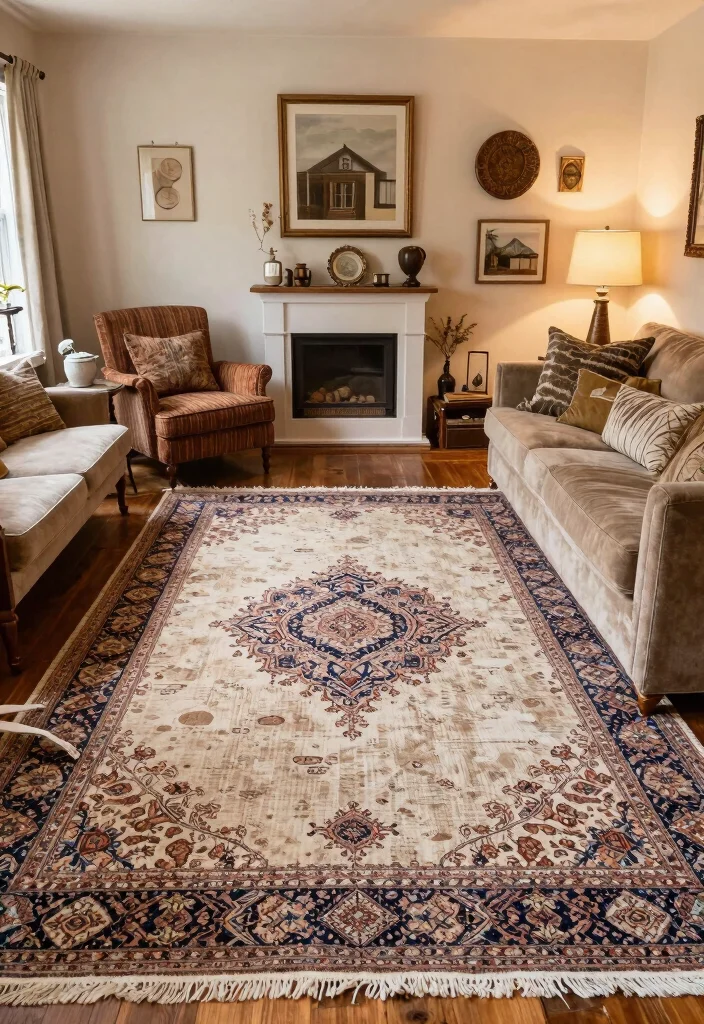
If you adore the charm of vintage decor, layering rugs with a vintage vibe can evoke nostalgia while keeping your space stylish. Start with a large, neutral base rug and layer a vintage Persian or kilim rug on top to infuse character and warmth into your home. The unique patterns and colors of vintage rugs can elevate your decor instantly.
When layering vintage pieces, ensure your rug complements your existing decor. Opt for warm colors in your vintage rug to maintain a cozy atmosphere. Experiment with layering heights—placing a flatweave vintage piece over a thicker, modern rug creates visual interest and contrast.
Here are some tips for achieving vintage charm:
– Mix new and vintage pieces for a modern bohemian look
– Choose warm colors to enhance coziness
– Play with height differences for engaging contrast
– Don’t hesitate to mix eras for an eclectic vibe
Incorporating vintage charm can make your home feel lived-in while showcasing your unique design personality.
Vintage Charm Throwback
Editor’s Choice

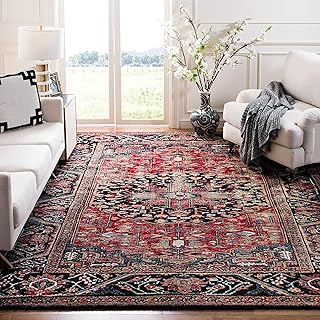


10. Eclectic Layering
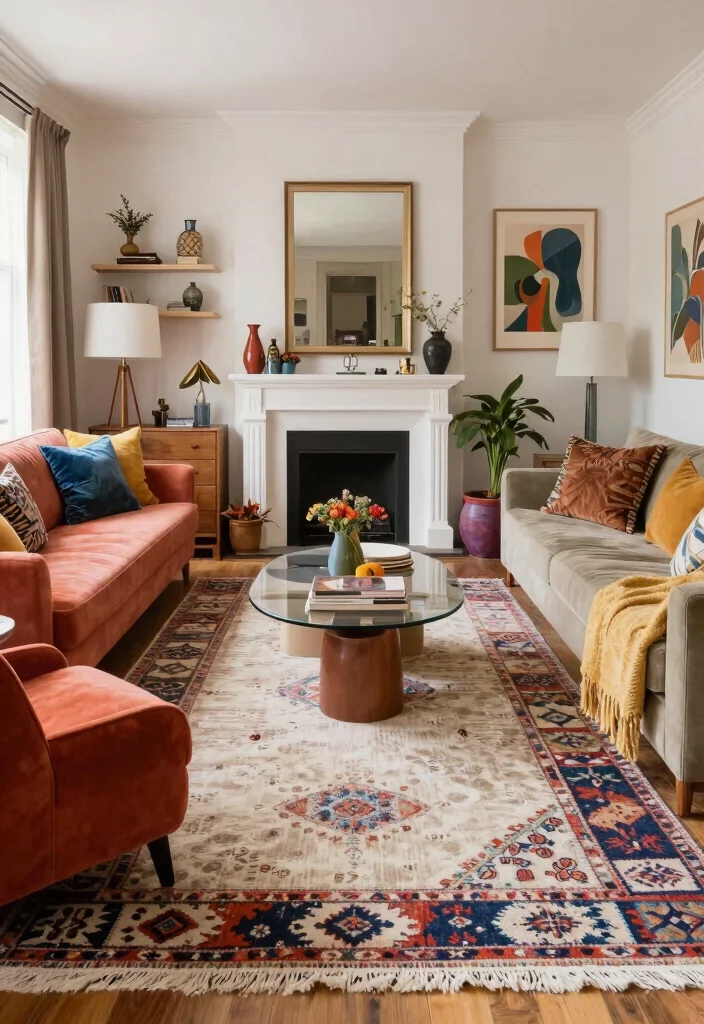
Embracing an eclectic style allows you to confidently play with colors, patterns, and textures. Start with a neutral base rug and layer several smaller, diverse rugs in an array of colors and patterns. This layered approach not only showcases your unique style but also creates a vibrant and inviting atmosphere.
To nail this eclectic look, focus on a common theme—whether it be a cohesive color palette or shared styles—to ensure your rugs feel connected. Allow for differences in texture to keep the visual excitement alive; combine silky, patterned rugs with rougher textures for an engaging contrast. Position the rugs playfully; asymmetrical arrangements can add a dynamic feel to your design.
Here’s how to achieve an eclectic masterpiece:
– Focus on a common theme for cohesion
– Mix textures to maintain visual interest
– Position rugs playfully for a dynamic layout
– Accessorize boldly to enhance the eclectic vibe
This fun approach transforms your room into a canvas of personal expression, celebrating your unique design sensibilities.
11. Textured Layers for Depth
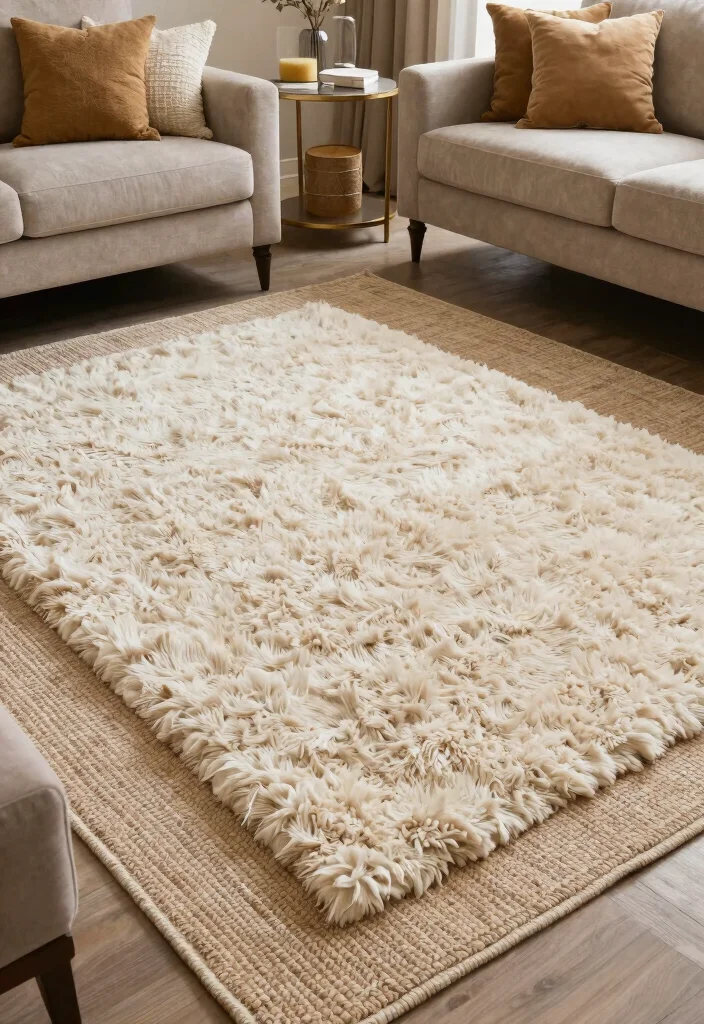
Layering rugs with different textures can significantly enrich a room’s depth and warmth. Start with a flatweave rug for durability and layer a shag or fur rug on top for a touch of luxury. This combination not only adds visual interest but also creates an inviting atmosphere.
To enhance the aesthetic appeal, opt for a color scheme that ties the textures together using complementary hues. Mixing textures can also change the spatial perception; soft textures can make larger rooms feel cozier. Ensure the base rug is practical for the area, especially in high-traffic zones.
To create depth with textured layers, consider:
– Use a flatweave base rug with a plush top layer
– Mix textures for a cozy feel
– Strategically layer rugs to create distinct zones
– Choose colors that complement the overall design
This method is perfect for those who appreciate sophistication and tactile experiences in their decor.
Fun fact: a rug on rug layering with textured surfaces can add up to 30% more perceived warmth to a room without extra heat. Start with a durable flatweave, then top it with a plush shag to boost coziness and depth.
12. Layering Outdoors
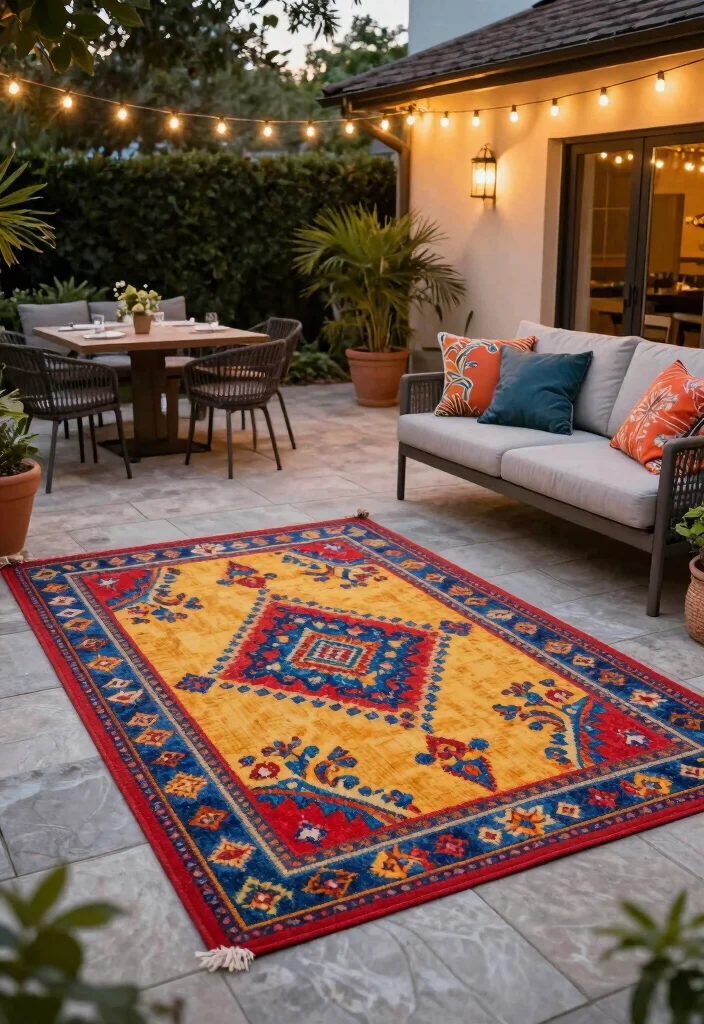
Don’t overlook outdoor spaces! Layering rugs outside can transform your patio or balcony into a stylish oasis. Start with a durable outdoor rug as your base and layer on a smaller, vibrant indoor/outdoor rug to introduce a pop of color and design.
For successful outdoor layering, choose rugs made from weather-resistant materials to ensure they withstand the elements. Embrace bright colors and patterns to create an inviting atmosphere that feels like an extension of your indoor space. Position your rugs strategically to safeguard them from rain or wear, avoiding high-traffic areas.
Here are some tips for outdoor rug layering:
– Choose weather-resistant materials for durability
– Use bright colors to enhance outdoor appeal
– Position rugs thoughtfully to protect them
– Accessorize with outdoor cushions for added comfort
This layered approach can transform any outdoor area into a chic retreat, perfect for entertaining or relaxing in style.
13. Seasonal Swaps
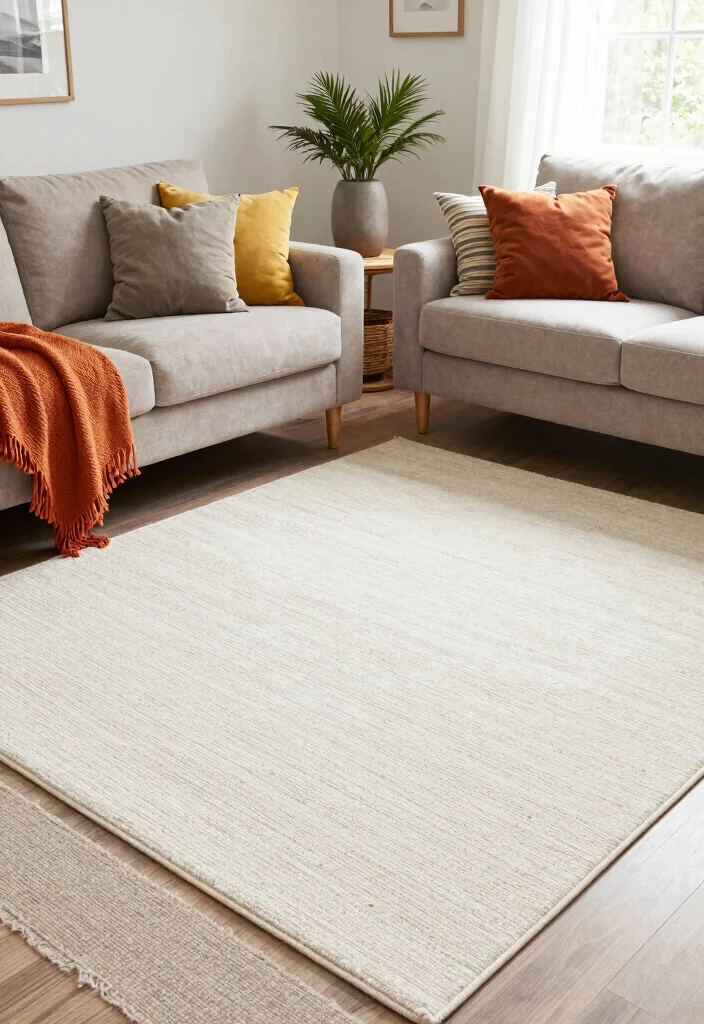
Utilizing the concept of layering rugs allows for effortless seasonal updates in your decor. A neutral base can remain year-round while you swap the top rug for something seasonal, like a lighter, playful design in the summer or a thicker, textured option for winter.
Key points to keep in mind include sticking to a color palette that seamlessly integrates the seasonal rug with the base. In winter, consider heavier materials like wool for warmth, while lighter, breathable fabrics work best in summer. Maintain the same layering technique by replacing your smaller rug while keeping the base consistent for continuity.
To make seasonal swaps effective:
– Stick to a cohesive color palette for integration
– Choose materials suitable for the season
– Use consistent layering techniques for continuity
– Refresh your space without major changes
Seasonal swaps with layered rugs keep your home feeling fresh, inviting, and adaptable to changing moods and weather.
Seasonal Swaps
Editor’s Choice


14. Minimalist Layering
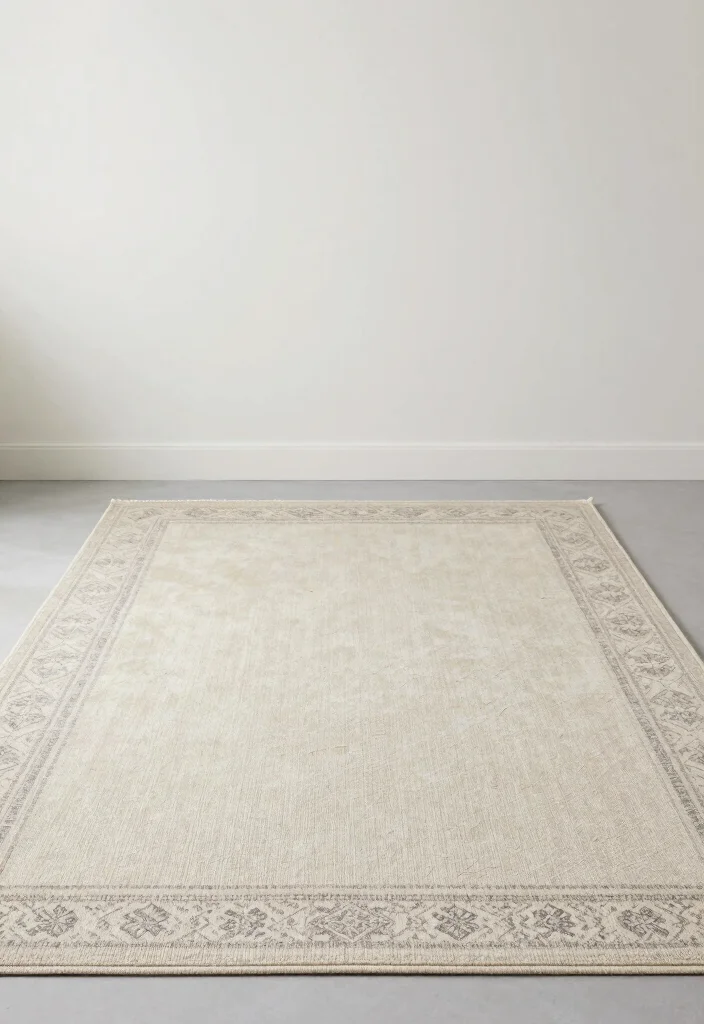
For those who prefer a minimalist approach, layering rugs can still be visually effective without overwhelming your space. Utilize a large, solid rug as a neutral base and layer a smaller, subtly patterned rug on top. This technique works beautifully in modern settings where simplicity reigns.
To achieve this minimalist look, stick to a monochromatic color scheme that adds depth without distraction. Opt for simple patterns; a delicate design can introduce interest without overpowering the overall aesthetic. Intentional rug placements should reflect clarity and balance, ensuring minimal elegance.
For successful minimalist layering, remember to:
– Use a monochromatic color scheme for depth
– Choose simple patterns for a stylish look
– Position rugs thoughtfully for clarity
– Accessorize minimally to complement the design
This minimal approach creates a serene environment infused with sophistication.
15. Coastal Vibes with Layered Rugs
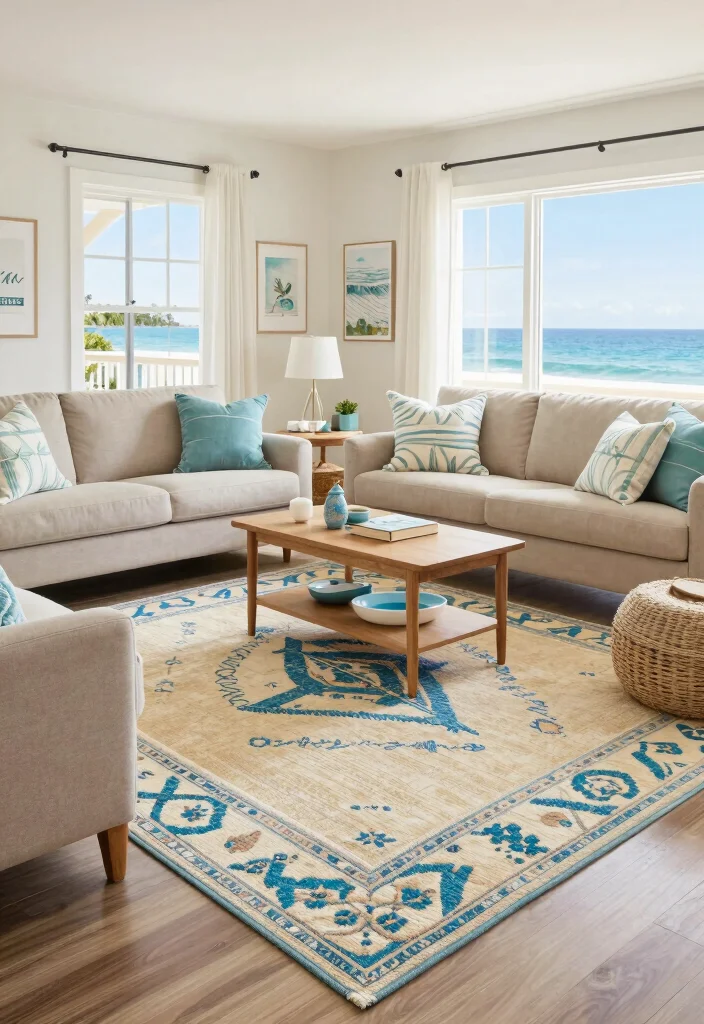
If you’re aiming for a coastal vibe, layering can seamlessly transport the beach into your home. Begin with a light, sandy-colored rug as your base and layer it with a vibrant nautical-themed rug for that refreshing sea-inspired touch. This combination fosters an ambiance reminiscent of seaside escapes.
To nail the coastal look, prioritize soft, breathable materials that evoke the easy feel of beach living. Light blues, sandy beiges, and crisp whites can come together in a harmonious palette. Incorporate other coastal elements, like driftwood accents or seashell decor, to enhance the theme throughout your space.
To create coastal vibes effectively:
– Choose soft materials that reflect beach living
– Use light shades for a harmonious palette
– Integrate coastal decor for thematic continuity
– Maintain an open layout to reinforce the coastal feel
This layered approach creates a relaxed and inviting atmosphere, perfect for fans of the beach.
16. Texture and Color Combo
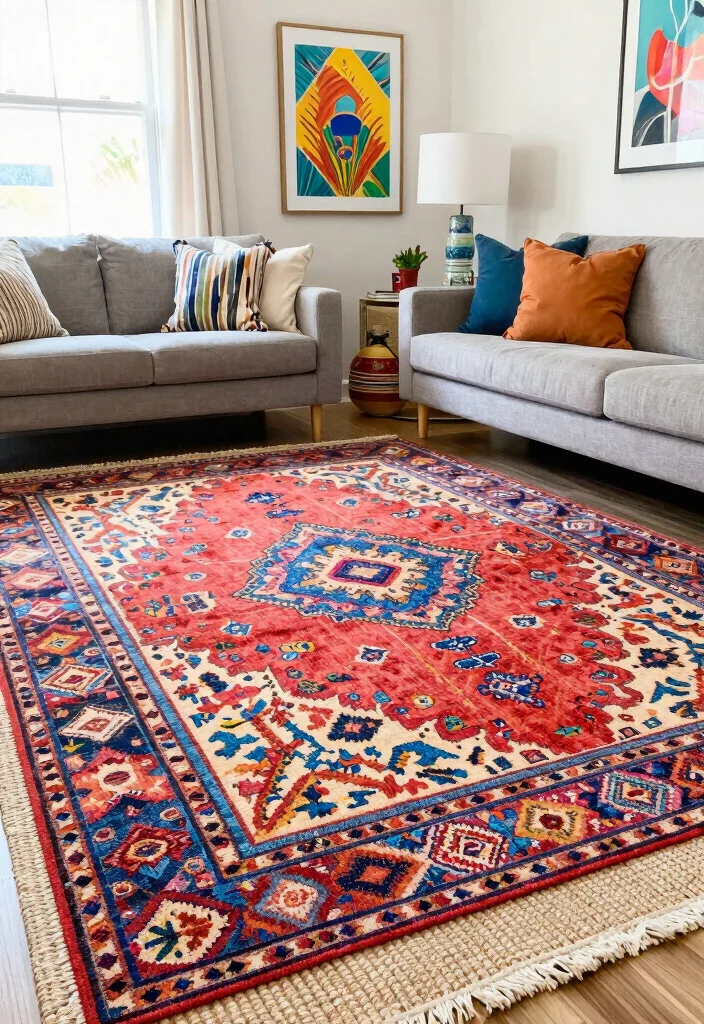
Layering rugs with varied textures and colors results in a visually striking yet harmonious look. Start with a textured rug made from natural fibers, then layer it with a bold, colorful patterned rug. This method can invigorate your space, making it feel dynamic and full of life.
Consider these strategies: choose colors that complement each other while providing contrast. Textures should play a significant role; a plush rug layered with a flatweave enhances the luxurious feel. Accessorize with decor that matches your color scheme for a unified look throughout the room.
For a successful texture and color combo:
– Select complementing colors for contrast
– Mix textures for a luxurious feel
– Accessorize consistently to unify the design
– Don’t hesitate to blend styles for interest
This technique emphasizes the beauty of layering while keeping the overall design fresh and engaging.
Texture and Color Combo
Editor’s Choice
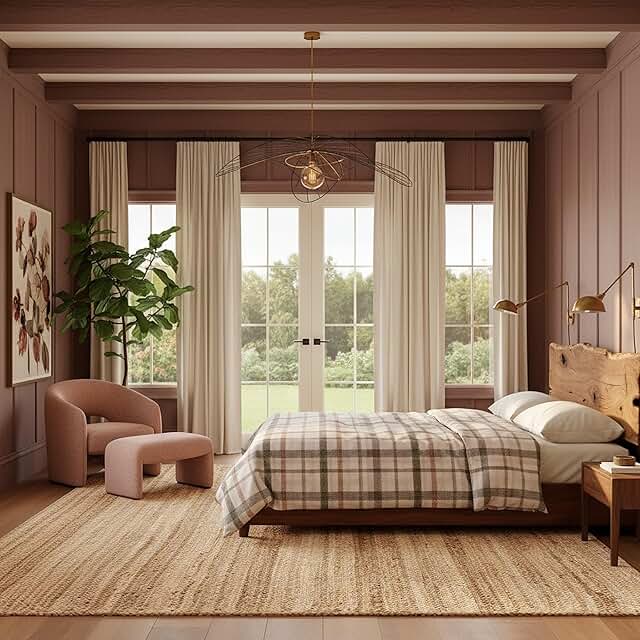



17. Layered Rugs for Kids’ Spaces
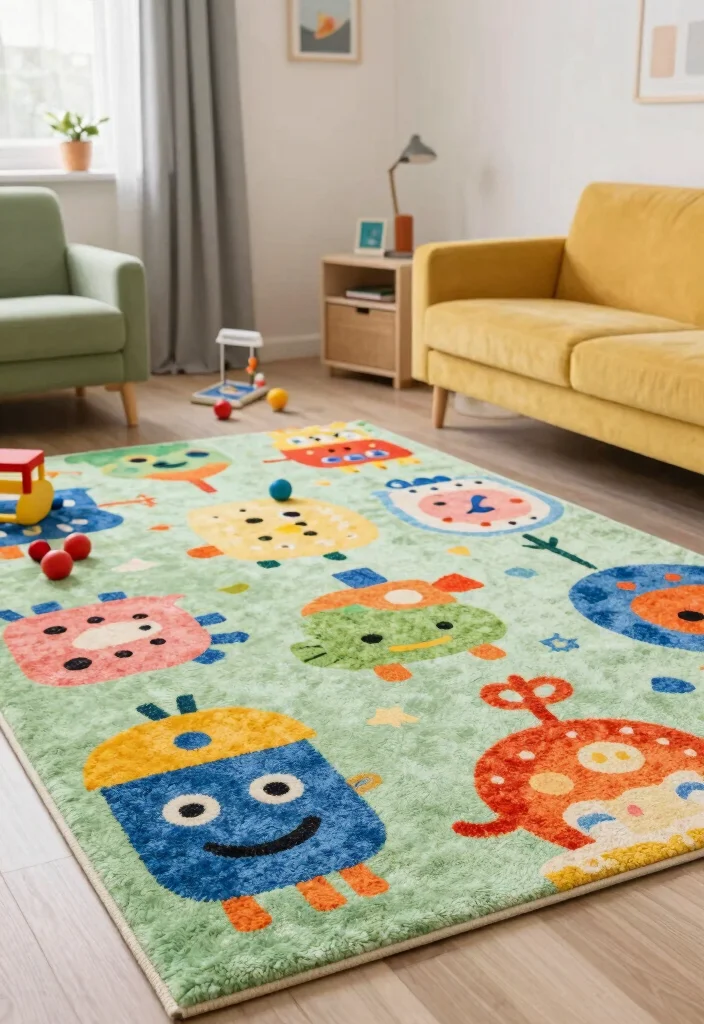
Layering rugs in kids’ spaces combines style with comfort. Choose a soft, durable base rug and layer a playful, colorful rug on top to create an inviting area for play. This setup not only adds warmth but also fosters a fun aesthetic that sparks creativity.
To effectively layer rugs in kids’ rooms, opt for washable materials that are easy to clean. Incorporate bright colors and fun patterns that appeal to children’s imaginations. Layering can define different zones; a dedicated reading nook can have its own rug area while playtime can take place on another.
To make this work in kids’ spaces:
– Select washable rugs for easy cleaning
– Use bright colors to inspire creativity
– Define different zones with layered rugs
– Ensure rugs have non-slip backing for safety
This approach creates a cozy and functional kids’ room, encouraging imagination and play.
18. Layered Rugs in Entryways
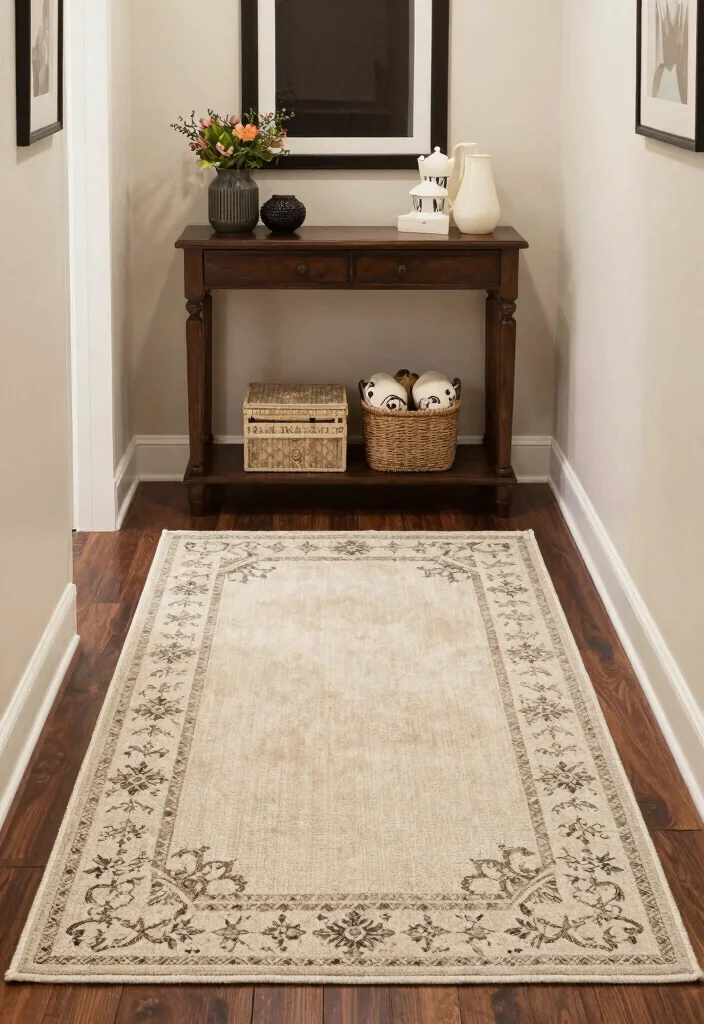
Layering rugs in entryways can set a welcoming tone for the rest of your home. Start with a durable, easy-to-clean rug as your base and layer a smaller decorative rug on top that exudes style and charm. This combination creates a warm first impression for guests.
Consider these tips for a stylish entryway: choose rugs that can withstand dirt and moisture, which is especially important in high-traffic areas. Use colors that reflect your home’s overall design theme to maintain continuity. Ensure functionality; a low-profile base rug allows doors to open easily over it.
To achieve an inviting entryway, keep in mind:
– Select durable rugs for high-traffic areas
– Use colors that complement your overall decor
– Ensure the base rug is low-profile for ease of use
– Add decor elements like a console table for aesthetic appeal
This layered approach crafts a stylish entryway that not only welcomes guests but also showcases your personal style right at the front door.
Layered rugs in the entryway—rug on rug—feel like a warm hello at your doorstep. Start with a durable base and finish with a smaller decorative layer to greet guests with style.
Conclusion
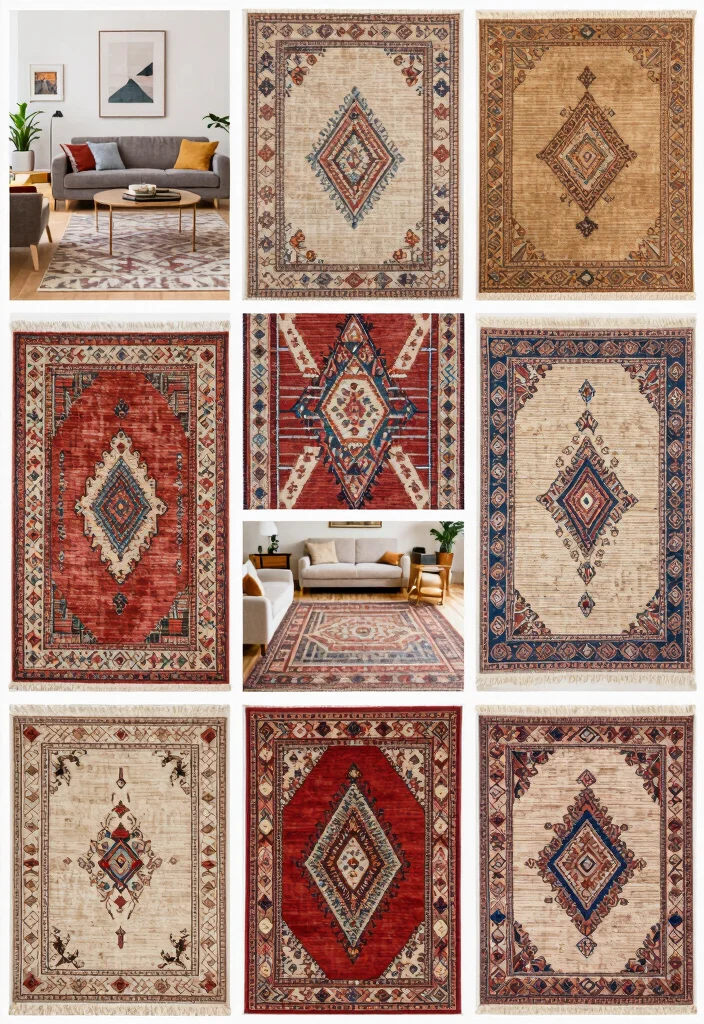
Layering rugs not only enhances the aesthetic appeal of your space but also adds warmth and comfort. These 18 ideas reflect various styles, from bold patterns to serene monochromatic palettes, making layering an incredibly versatile design technique.
Feel inspired to experiment with layering in your own home? Whether you prefer vibrant colors or earthy textures, the possibilities are endless! Embrace your creativity and enjoy transforming your space into a chic oasis.
Note: We aim to provide accurate product links, but some may occasionally expire or become unavailable. If this happens, please search directly on Amazon for the product or a suitable alternative.
This post contains Amazon affiliate links, meaning we may earn a small commission if you purchase through our links, at no extra cost to you.
Frequently Asked Questions
What is rug on rug layering and why does it work in modern bohemian interiors?
Rug on rug layering is pairing two or more rugs on the same floor to add depth, color, and texture. In modern bohemian interiors, this approach creates textural contrast and a sense of curated coziness without clutter.
Start with a larger, low-pile base rug as your canvas, then add a smaller rug with a different texture or pattern on top. Varying pile heights and materials like wool, jute, and flatweave keeps the look designer-styled while staying practical for everyday living.
How can I pair colors and textures for layered rugs to create textural contrast in modern home decor?
To achieve stylish flooring with layered rugs, start with a calm base color rug and build from there. Choose a second rug that introduces a contrasting texture or pattern, but stay in the same color family for cohesion. Use different pile heights and scales (flatweave under a shaggy or patterned rug) to create textural contrast and depth. Aim for sizes that feel intentional: a large base rug plus a smaller accent rug or runner can anchor seating areas. This is a smart interior design tips approach for modern home decor.
Where should I place a rug on rug setup to maximize impact in living rooms, bedrooms, or other spaces?
Placement makes or breaks the look. In living rooms, use a base rug large enough to sit under all major furniture, with the front legs resting on it. Layer a smaller patterned or textured rug in front of the sofa or under an accent chair to establish the second line. In bedrooms, place the big base rug under the bed with an additional rug at the foot or the sides so you see layered edges when you step out. Leave some stylish flooring visible around the room edges so the layers read as intentional. Always add a non-slip rug pad to keep layers from shifting.
How do I care for layered rugs and keep stylish flooring looking fresh?
Care and maintenance matter for the layered look to stay vibrant. Vacuum both rugs regularly, using different settings to avoid snagging fibers. Use a non-slip rug pad between layers to prevent slipping and wear. Rotate or swap rugs seasonally to even out use. Clean spills promptly with the appropriate method for each rug’s material (wool, cotton, jute); avoid moisture and harsh chemicals. For delicate pieces, consult professional cleaners. With simple care, your textural contrast stays fresh in your modern home decor.
What common mistakes should I avoid when creating a rug on rug look?
Avoid clashing patterns or colors that fight for attention—keep a cohesive palette. Don’t stack two rugs that are the same size or too small for the space, which can look underwhelming or busy. Skip layering across high-traffic areas without sturdy padding, and never neglect a non-slip rug pad. Also, don’t ignore maintenance; dirty layers ruin the effect of layered rugs. Plan measurements ahead to ensure the arrangement feels intentional and stylish flooring remains comfortable to walk on.
Related Topics
home decor
rug on rug
layered rugs
textural contrast
modern bohemian
stylish flooring
interior design tips
easy updates
boho chic
decor trends
cozy interiors
design inspiration