Oak floor stain colors run from barely-there whitewash to solid black, and the right one depends less on trend than on which way your room faces and how much light it gets.
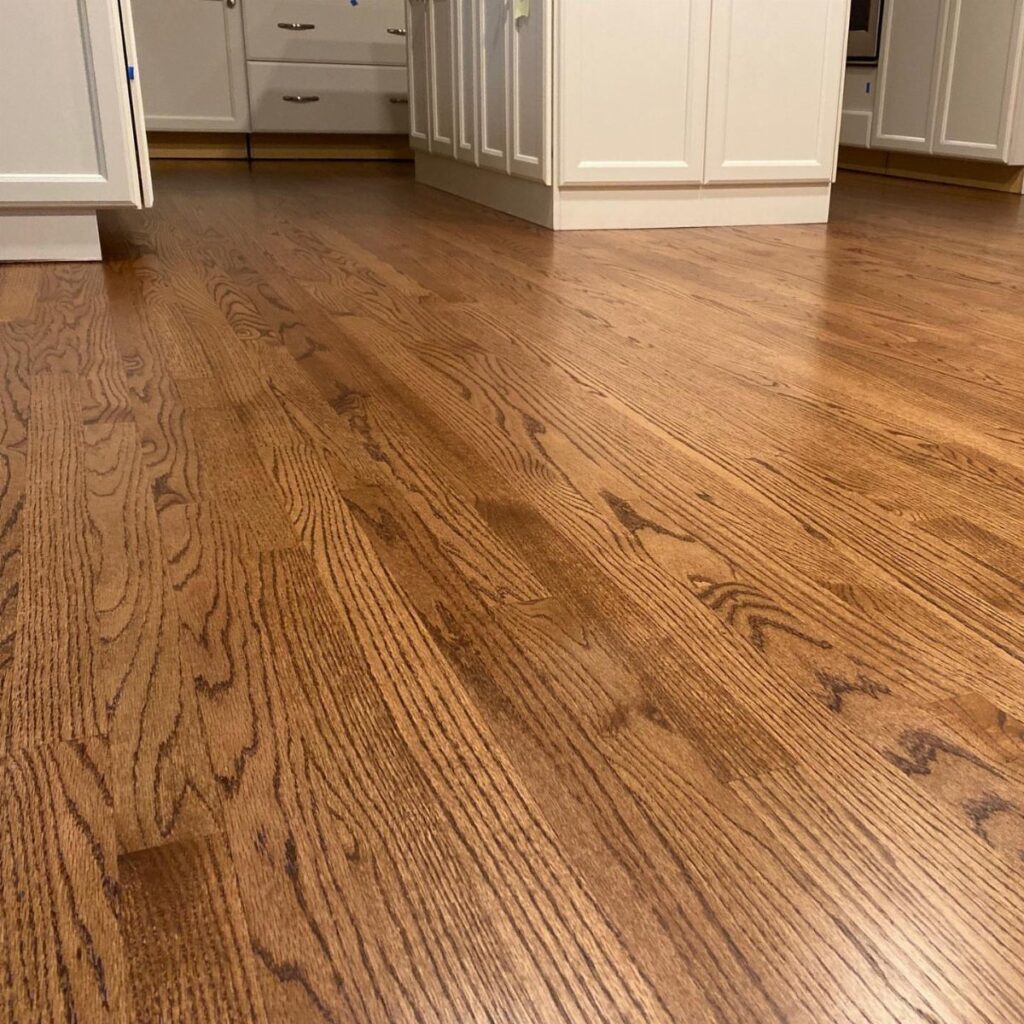
Provincial, Dark Walnut, and Golden Oak all shift toward orange under afternoon sun; Classic Gray and Driftwood cool down instead.
I would test Bona Nordic Seal’s two-coat system against a single coat of True Black on the same board before deciding, since the cured color always lands darker than the wet one.
[link-whisper-related-posts]1. Provincial
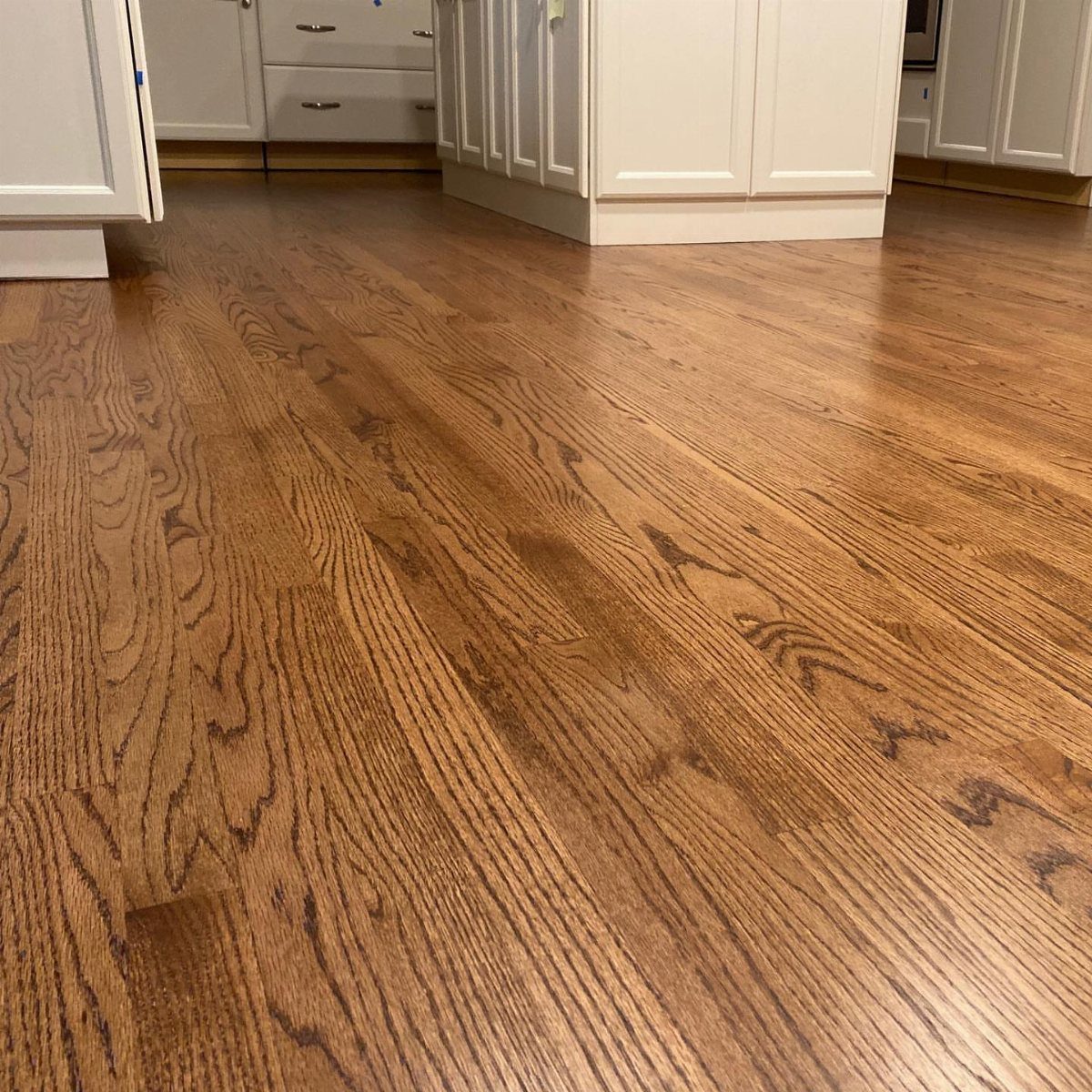
Provincial sits right in the middle of warm and neutral, which is why it works in almost any room that already has white cabinets or light walls.
I have seen it pull pink or yellow from oak depending on the light, so testing it on your actual floor matters more than trusting the can label.
It covers well in two coats and does not fight the grain the way darker stains can.
Provincial reads as traditional. If your furniture runs modern or you want the floor to disappear, this is not the one.
2. Dark Walnut
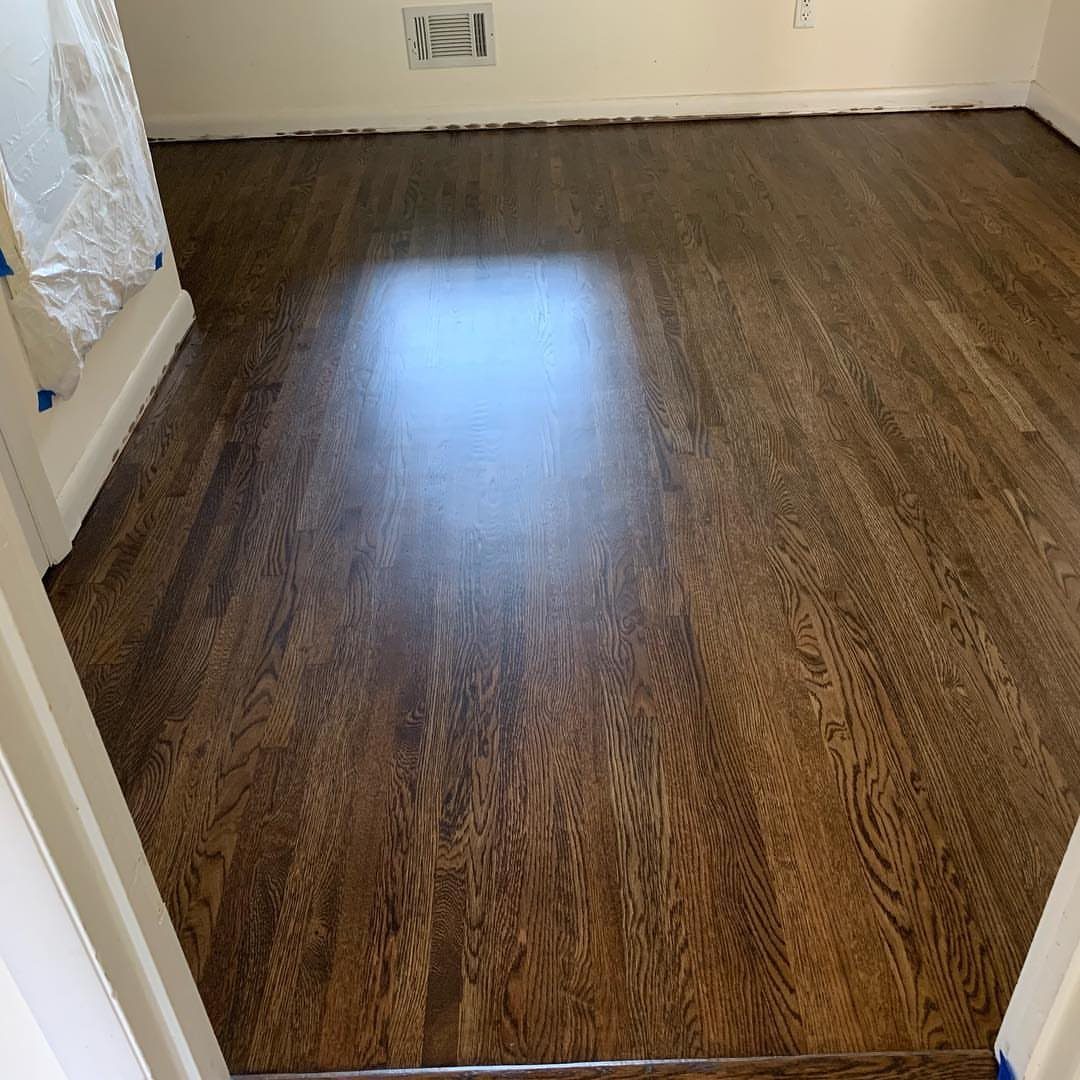
A deep brown that actually kills the yellow undertones budget boards throw off, Dark Walnut is what I would reach for on whitewood, fir, or any oak that is reading too orange in the sample.
Two coats gets you that rich chocolate without the floor turning black.
It shows dust and pet hair more than medium tones, and it will darken a room that lacks natural light. In a north-facing space, pair it with pale walls or expect to add lamps.
3. Jacobean
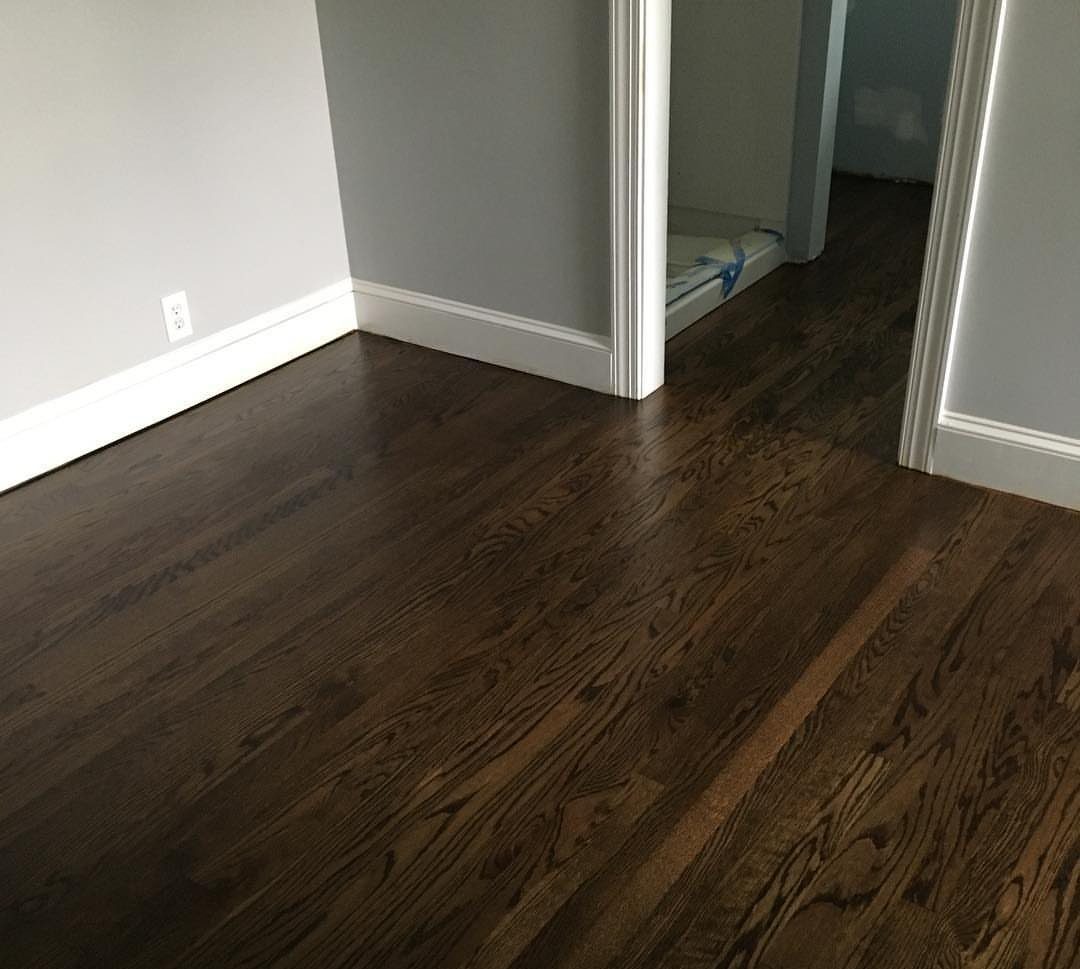
Jacobean carries a gray undertone that cools down the red oak tends to throw, so it reads as modern rather than farmhouse even at full strength.
I would use this in a room where the trim is already white and the walls run gray or greige; the floor picks up that palette instead of fighting it.
It goes darker than most people expect from the first coat. Test a 2×2 foot patch and live with it for a day before committing, because the wet color is lighter than the cured one.
4. Special Walnut
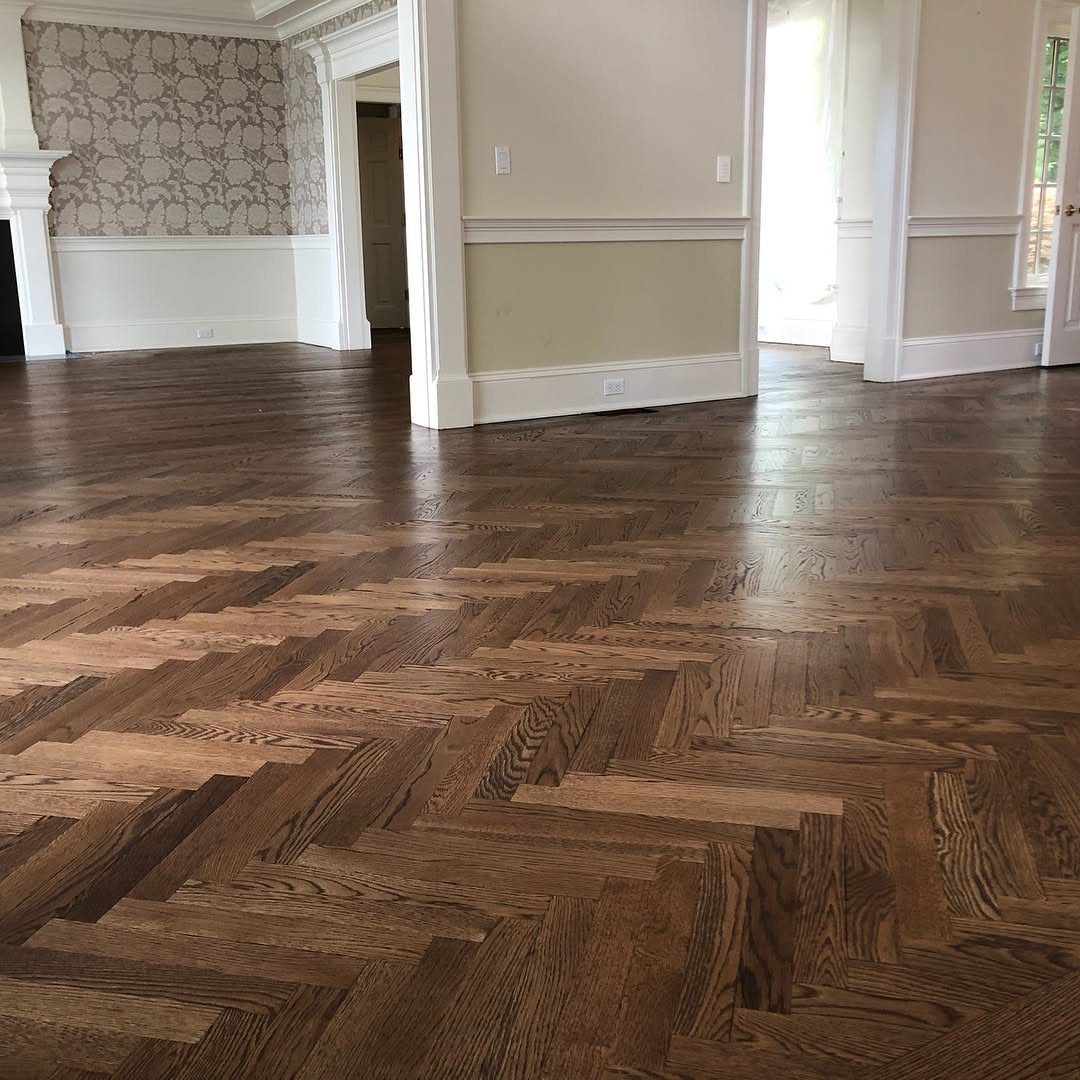
Special Walnut warms up a room fast, which sounds ideal until you realize it amplifies every ray of sun.
I once sampled it in a south-facing living room and walked away; when I came back the floor looked almost orange against the afternoon light. Early American worked better there.
In a dim space or a room with cool northern light, that warmth is an asset. It also suits herringbone or parquet better than plain plank because the pattern breaks up the color.
5. Weathered Oak
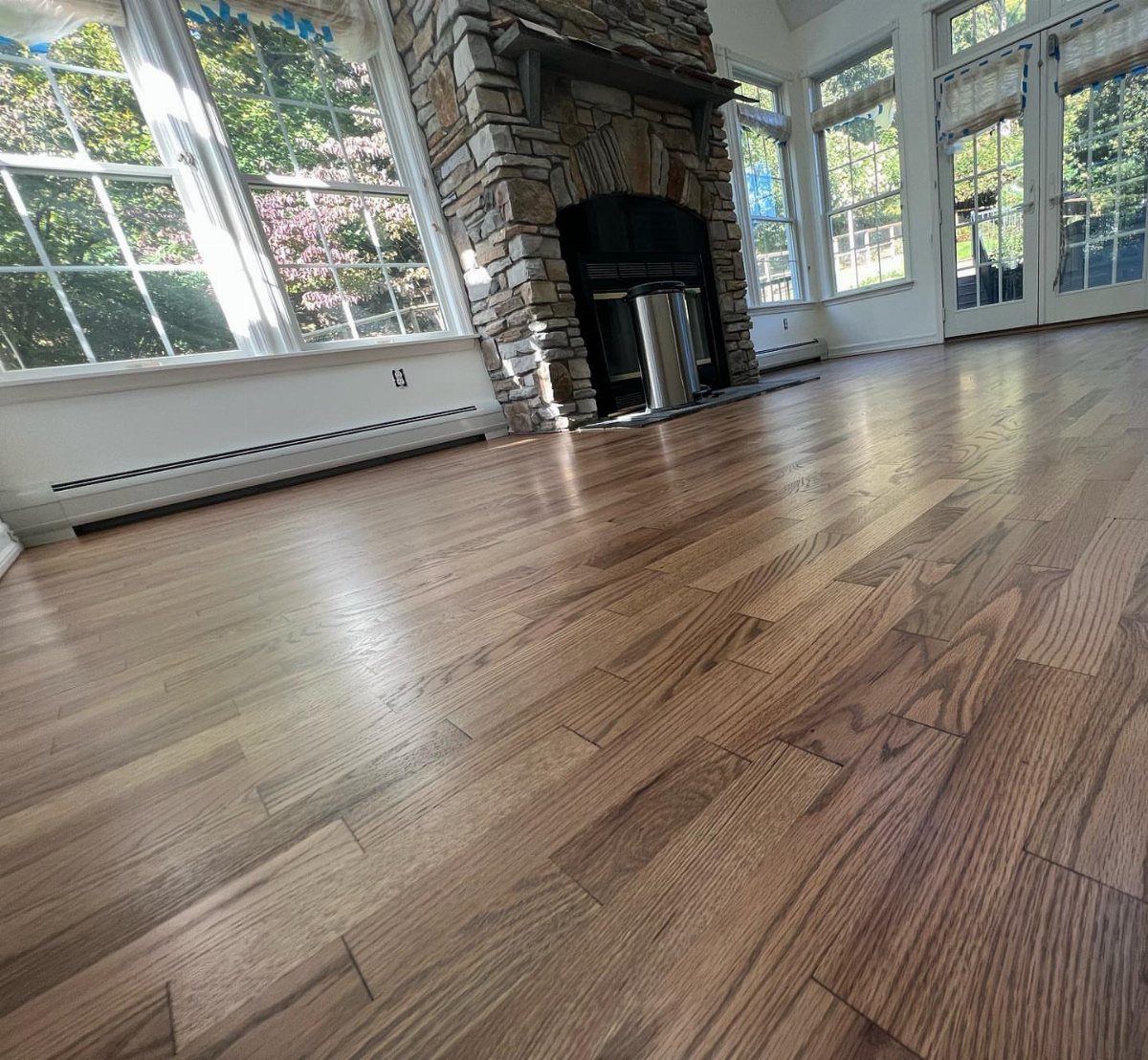
This is the stain for oak that already has character: wide planks, knots, some variation between boards. It adds a gray-brown wash without hiding the grain, so the floor looks aged rather than finished.
I have seen it read almost beige in bright rooms and turn properly silvery in shade.
It needs a matte or satin topcoat; anything glossier kills the effect and makes it look like a mistake. Two coats of sealer after the stain, no more, or the color goes muddy.
6. True Black
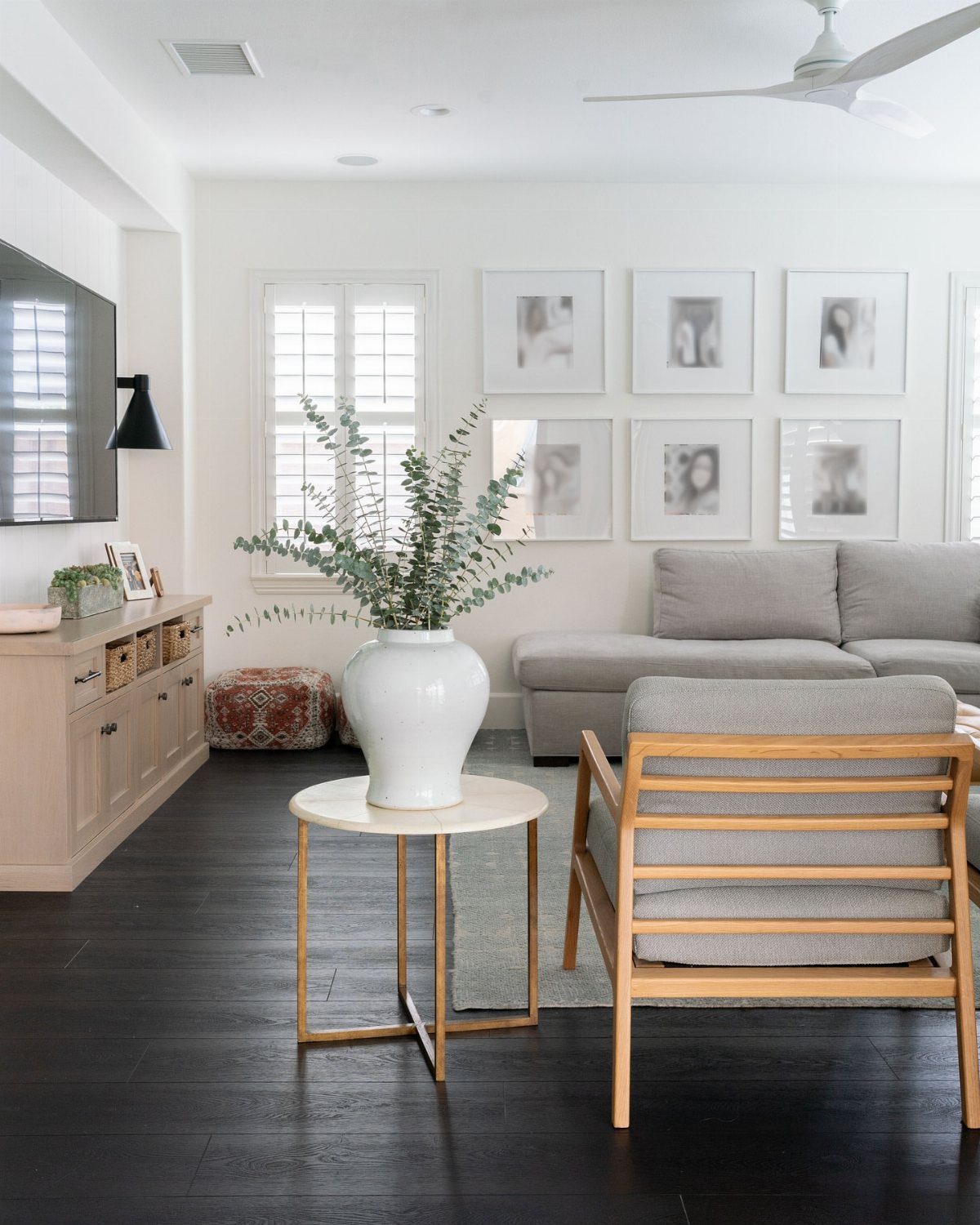
True Black is not forgiving. Every scratch shows, every dust mote lands visible, and the floor becomes the statement of the room whether you planned it or not.
On whitewood or yellow-toned oak it is one of the few stains that fully overrides the base color instead of mixing with it.
I would use this only where the architecture can carry it: high ceilings, big windows, or furniture with enough visual weight to balance all that dark mass. In a small room it can feel like a stage floor.
7. Golden Oak
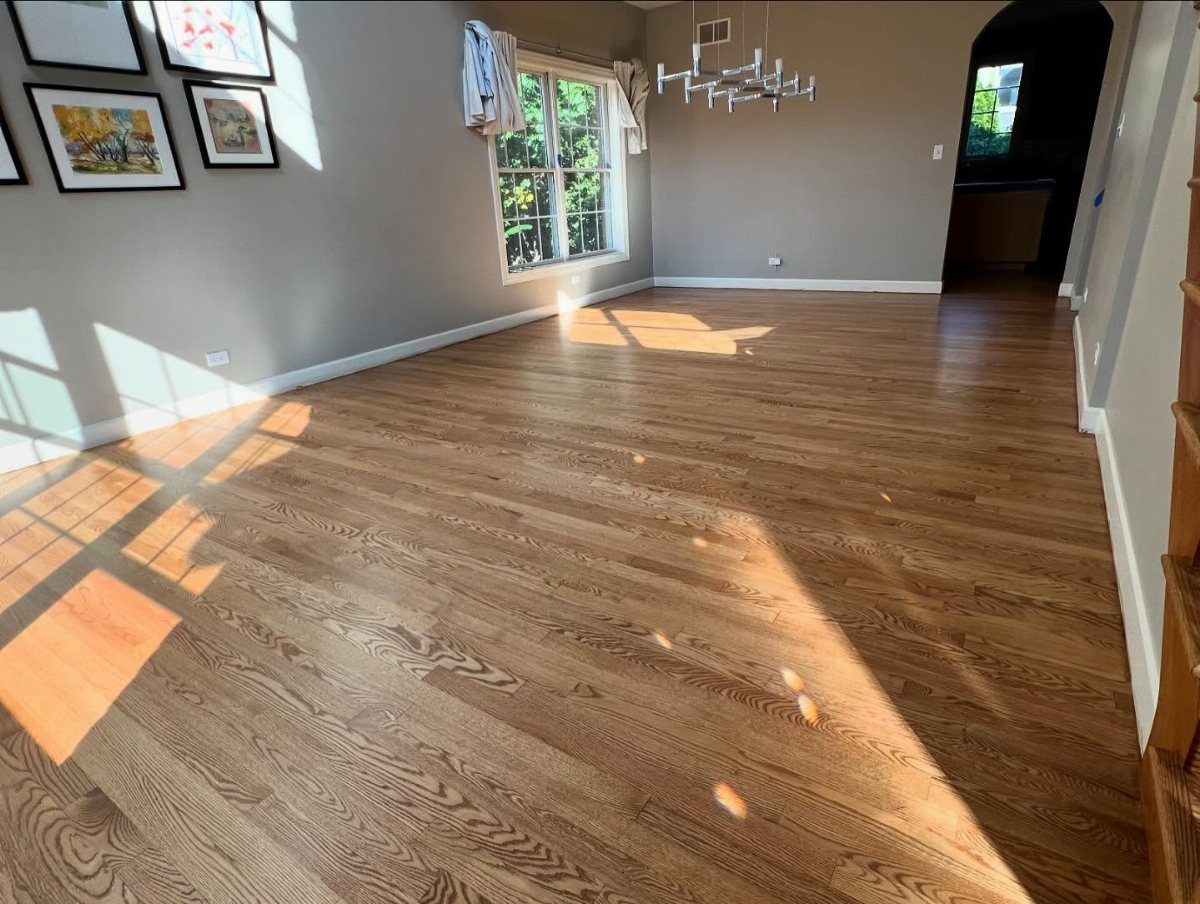
This stain pulls out the warm honey side of oak and pushes it forward. I like it in rooms that already get good sun, since the yellow-brown tone needs light to look intentional rather than dated.
Some golden oak stains carry a red undertone that can read orange in certain light. If your boards lean pink or salmon in raw form, Golden Oak will amplify that.
Test it on a leftover piece from the same batch, not just any oak sample.
I would skip this one on whitewood or pine that already reads yellow; the stain adds almost nothing but more yellow. On white oak or cooler-toned red oak, it reads warmer and more deliberate.
8. Classic Gray
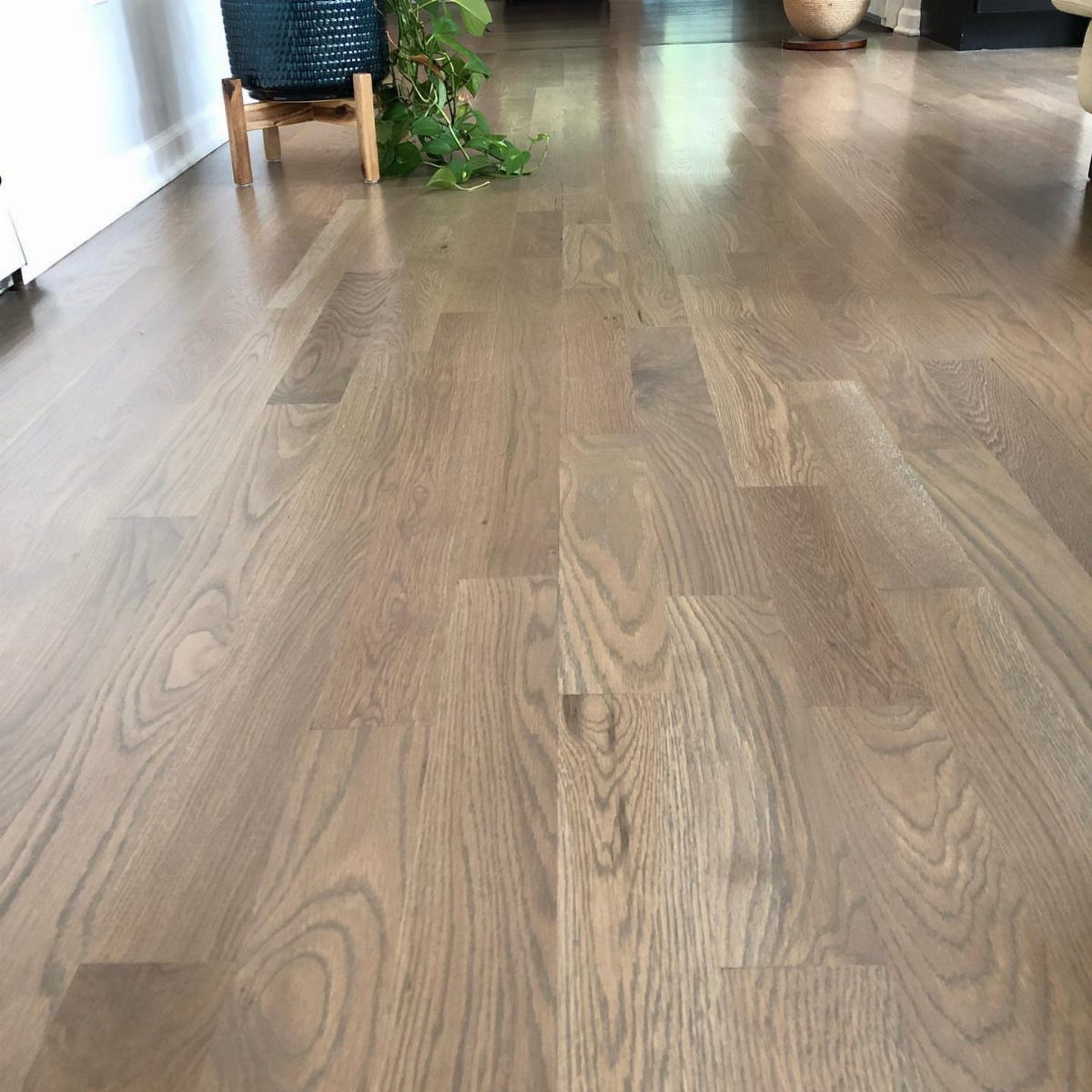
A soft gray-brown stain that reads modern without trying too hard. North-facing rooms pull it toward taupe, while afternoon sun cools it back to gray.
The gray family can highlight uneven grain absorption, especially on softer boards. A pre-stain conditioner helps, and sanding smooth keeps the tone from going blotchy.
This one suits oak with relatively straight grain and minimal streaking. Heavy character marks turn busy under gray.
If your boards are dramatic already, a warmer stain quiets them; Classic Gray does the opposite.
9. Bona Nordic Seal
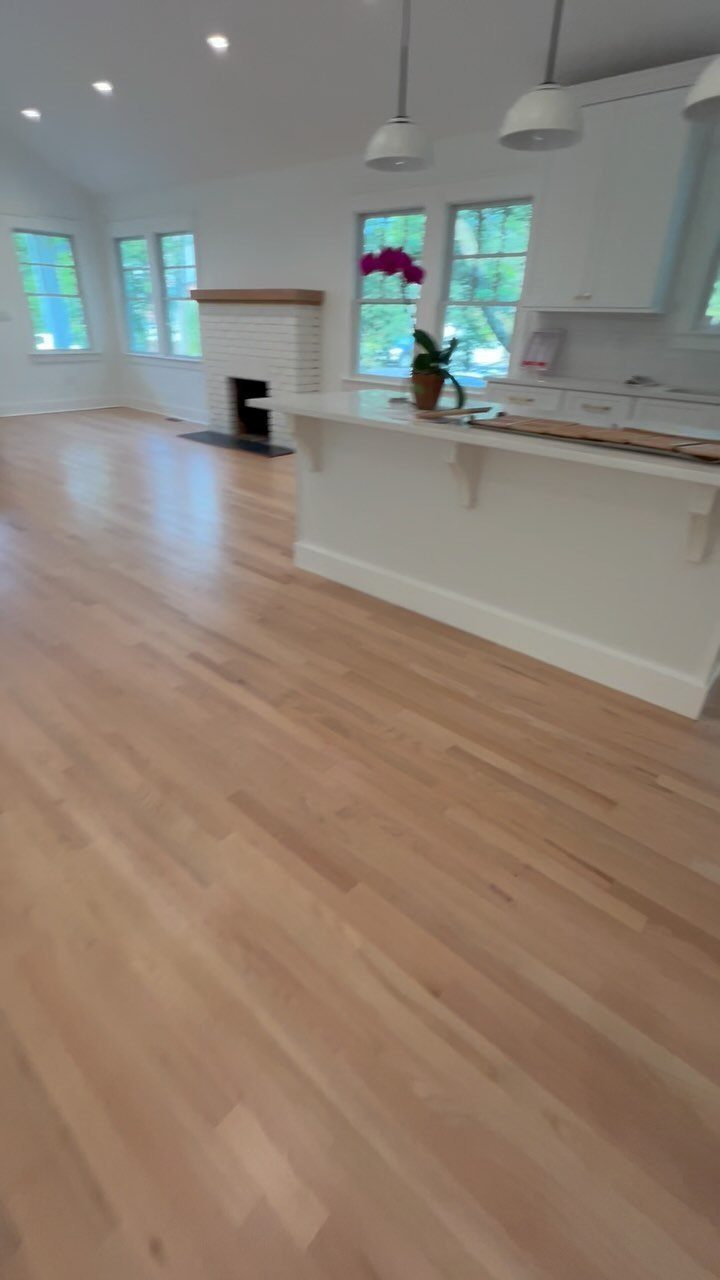
A waterborne sealer that whitewashes red oak into something closer to white oak’s pale, Scandinavian look. It neutralizes the pink-red cast that makes red oak tricky in modern spaces.
The product goes down as a sealer, not a traditional stain, so the process differs: apply NordicSeal, let it dry, then topcoat with something like Bona Traffic HD Satin for durability.
The whitewash effect sits in the finish layer rather than soaking into fibers.
Two coats builds more opacity; one stays closer to natural. If the raw boards read very red, that first coat may look alarming until the topcoat mellows it.
I would test the full system, sealer plus topcoat, before committing to the whole floor.
10. Espresso
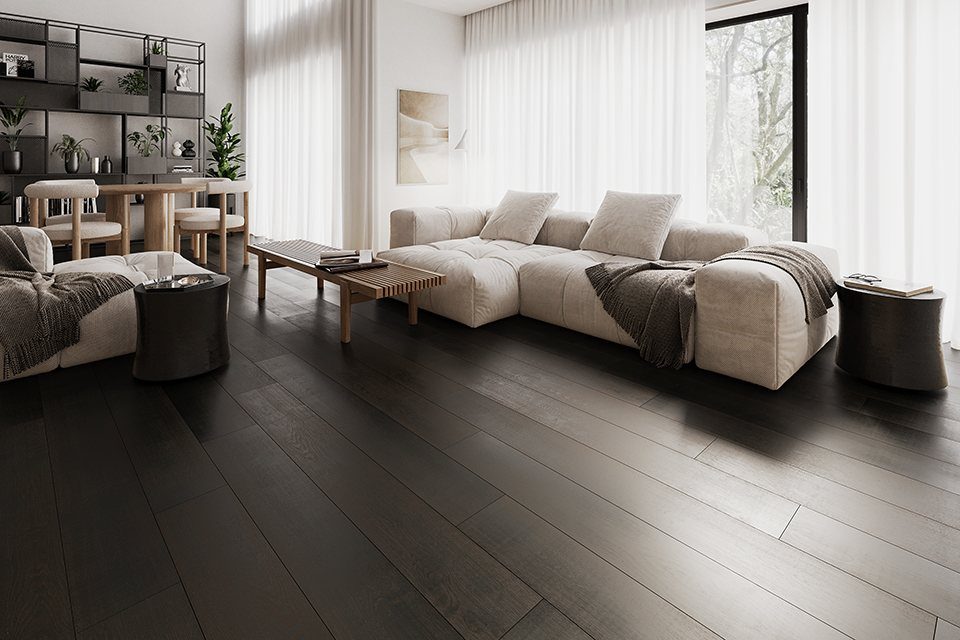
Very dark brown, almost black in low light, with the grain still visible up close. I think of it as the stain that lets furniture and art do the talking.
The depth comes at a cost: every dust particle and water spot shows. Dark floors in a house with kids or dogs need more frequent cleaning, and scratches read lighter against the dark ground, so they catch the eye faster.
This stain works best in rooms with strong natural light or plenty of lamps. In dim spaces it can feel like a black hole.
I would also check your baseboards and trim; Espresso demands crisp white or very pale walls to keep from closing in.
11. Aged Barrel
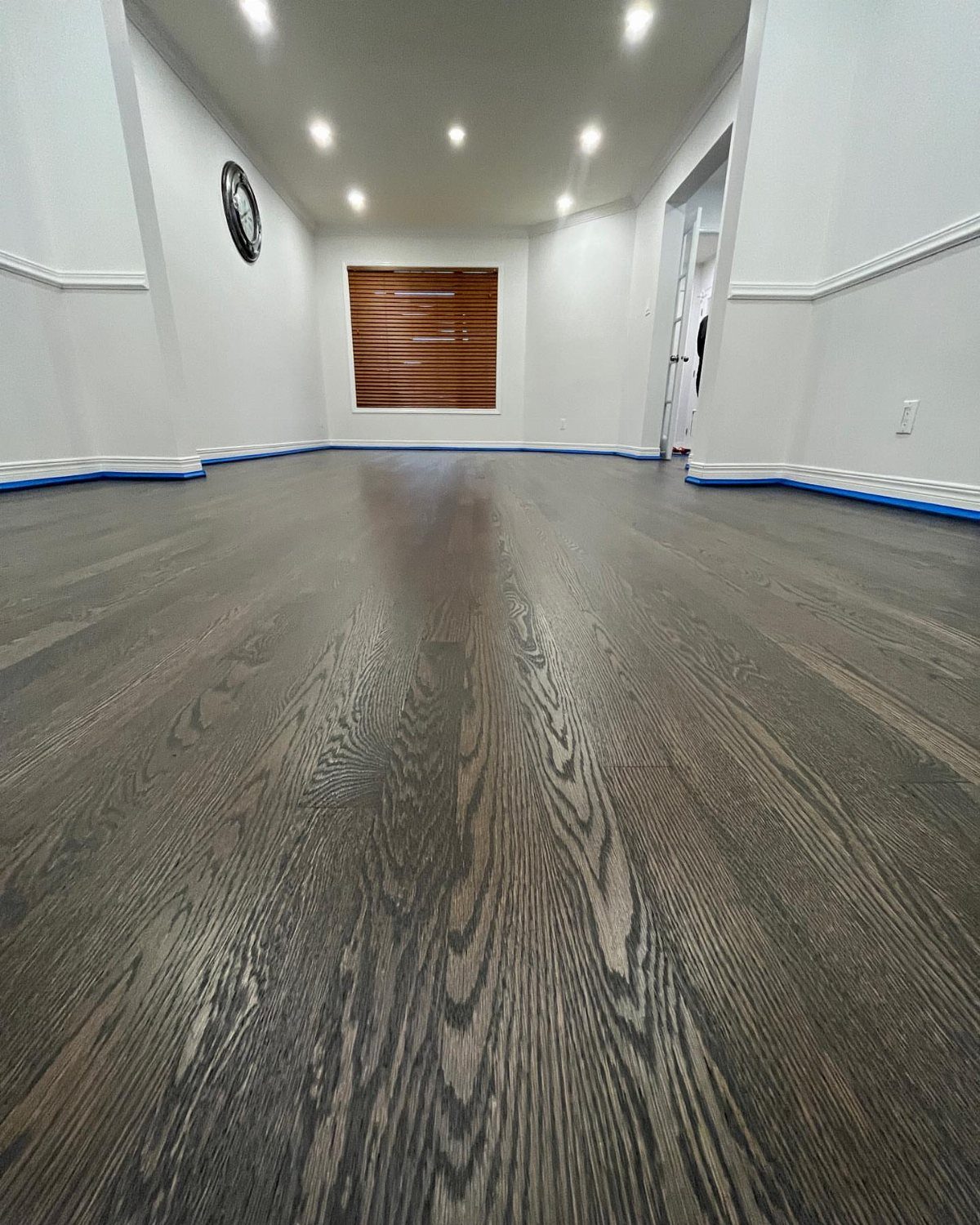
Warm gray with enough brown to keep it from reading cold. Against white shiplap and vintage brass hardware, the floor holds its own without competing.
The vintage effect depends partly on plank width. Narrow strips look more formal; wide planks, especially with some length variation, sell the aged farmhouse story better.
Running boards at a slight angle or mixing in a few wider replacement pieces from a reclaim yard breaks up the expected stripe.
This stain gathers dust in the grain over time, which actually helps the look. Freshly cleaned, it can read lighter and more uniform than intended.
I would let it live a month before judging.
12. Driftwood
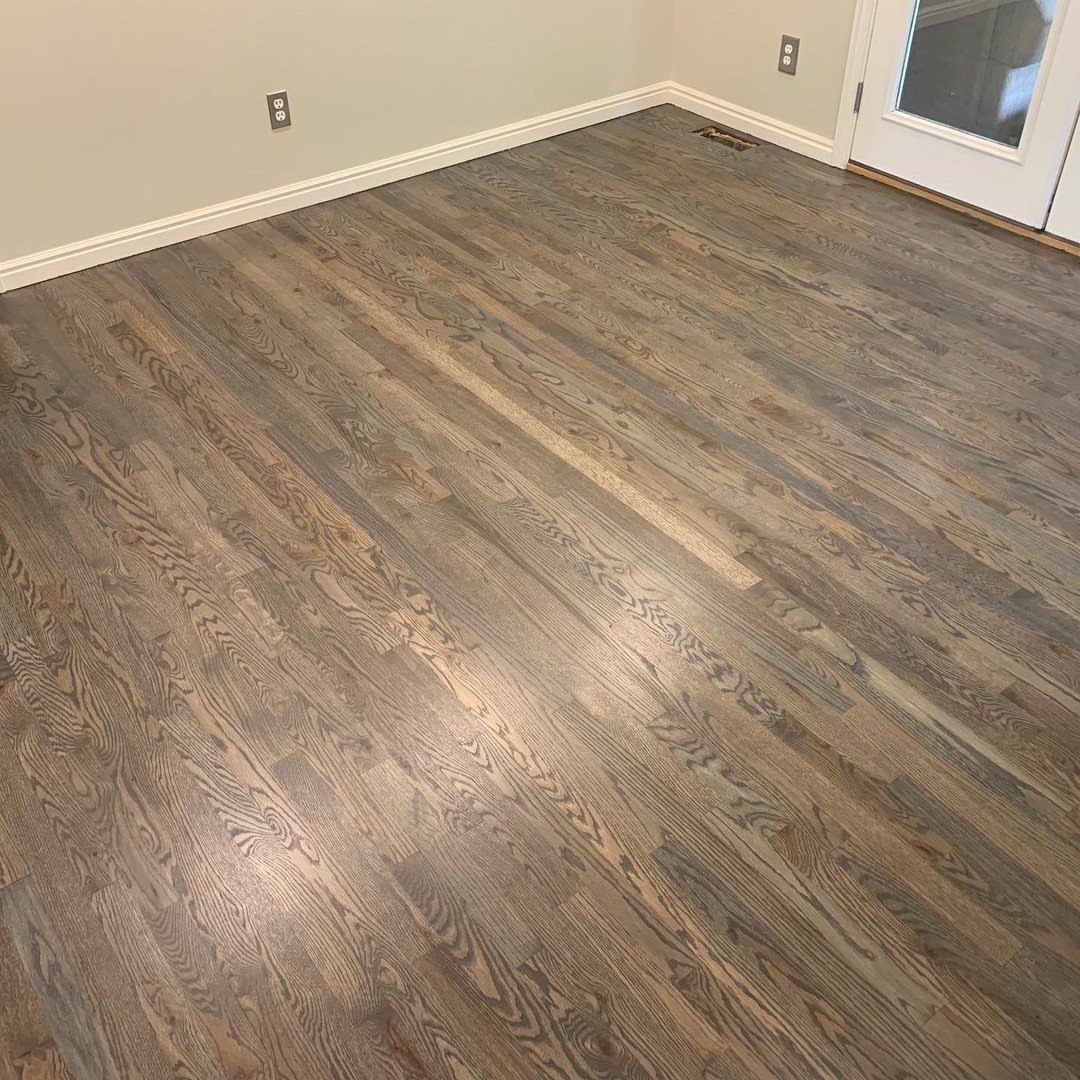
Gray with a faint blue cast, like weathered dock planks. I think it works best in coastal or lake houses where the color echoes something outside the window.
The blue undertone can turn clinical against cool white walls. Linen, raw wood, or anything with a yellow undertone warms it up considerably, so the room’s palette matters as much as the floor.
On oak with prominent grain, Driftwood highlights every ripple and ray. Some people love that texture; others find it busy.
If your boards are quartersawn or have heavy figuring, test a larger area than you think you need. The small swatch always lies.
13. Light Ginger
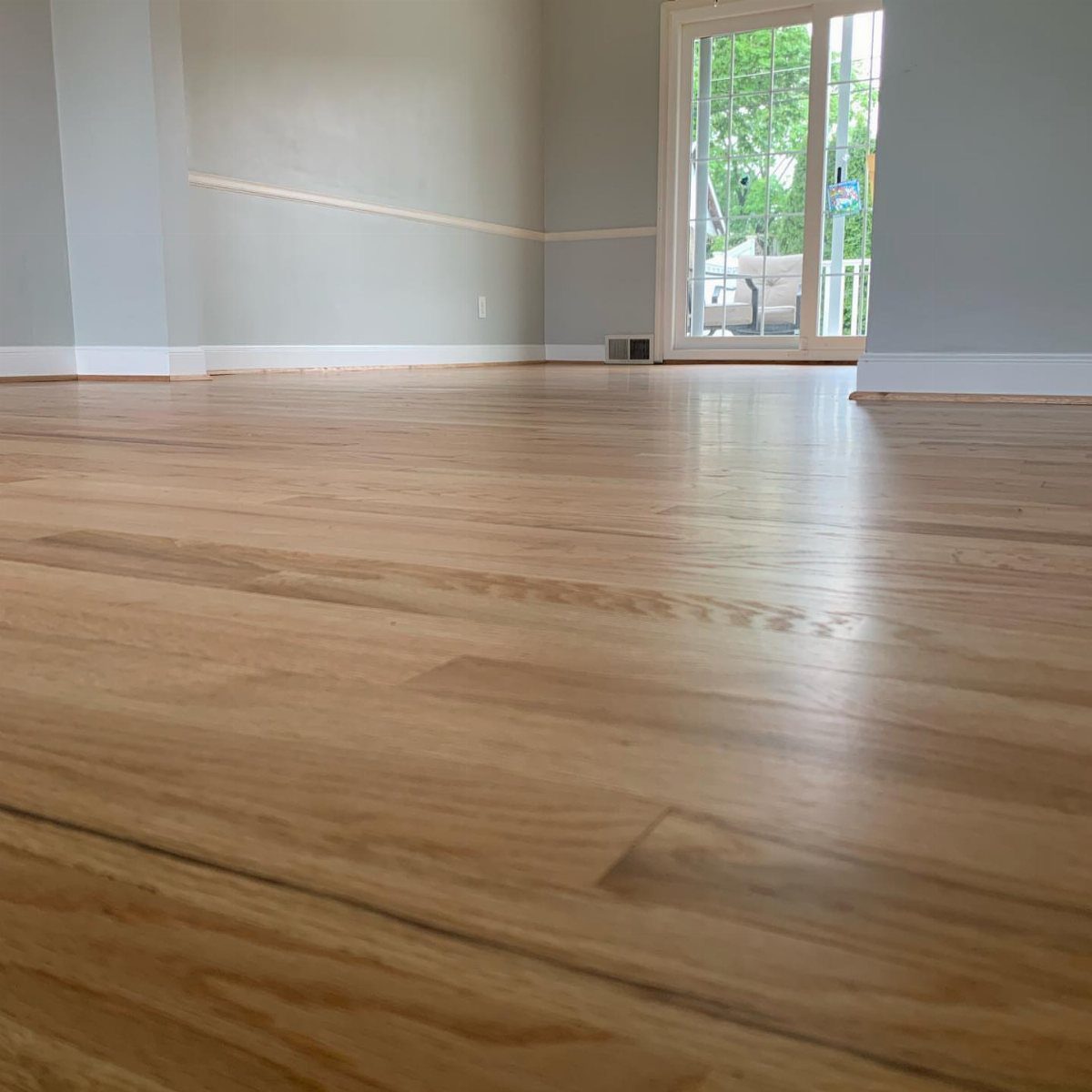
Light Ginger lands in that narrow space between raw oak and anything brown. It warms the grain without announcing itself, the kind of floor that reads as "nice light wood" to guests and nothing more.
For a rental flip or a first home, this is the stain that keeps options open. Furniture reads against it without fighting, and wall color becomes a low-stakes choice.
Any blotch in the sanding shows through a tone this transparent, so the DIY route needs patience or a rented drum sander handled by someone who’s run one before.
I would pick this for a room that already gets good sun and needs to keep it. North-facing spaces can turn it flat and pinkish.
Test a patch near the window you use most, then check it in morning light, afternoon sun, and after dark before you commit the whole floor.
14. Nutmeg
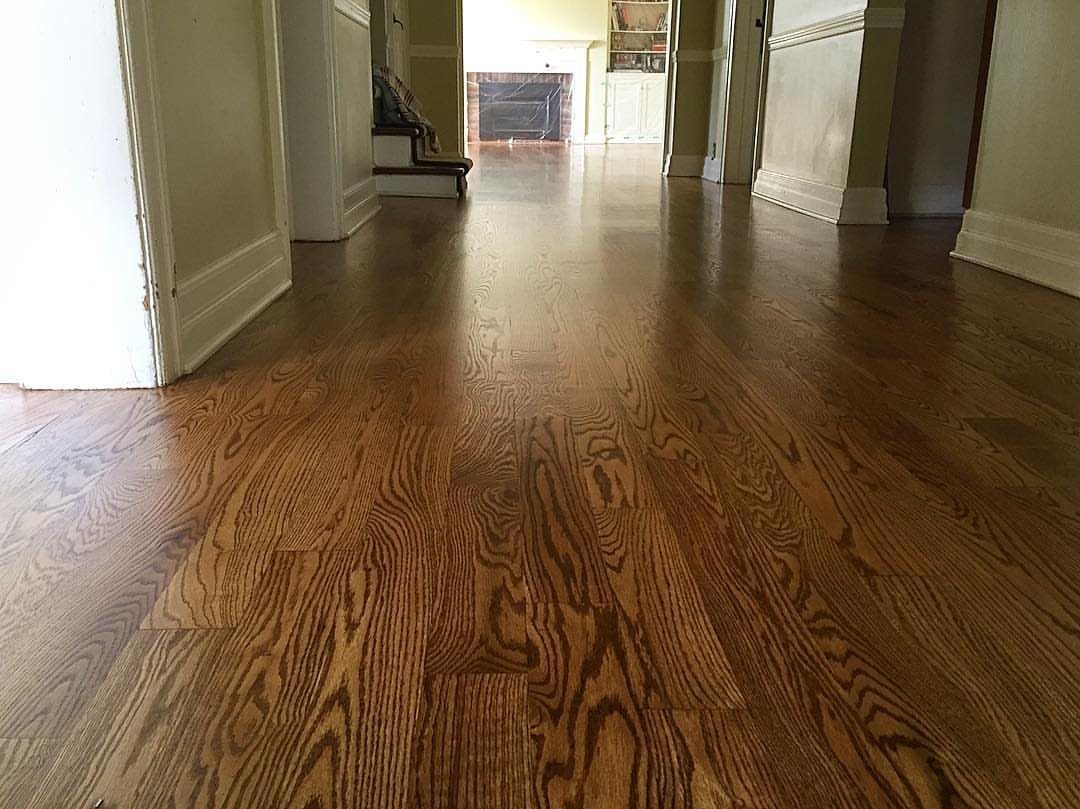
Nutmeg is the color oak wants to be when it grows up. It deepens the grain enough to feel finished without the weight of espresso or the fashion risk of gray.
Hallways suit it especially. The tone carries light from room to room without the glare of a paler floor, and scuffs from boots and dog paws hide better than on anything lighter.
What you trade is the airy feel of a natural or whitewashed oak; this floor grounds the space and asks for lighter walls or furniture to balance it.
The warmth here is genuine, not the orange cast that cheaper stains can leave on red oak. If your boards are white oak, the result stays truer; red oak pushes toward amber, which some people love and some do not.
Check your wood species before you buy the first gallon.
Testing Stain Colors
Start with three or four stain colors that fall in the range you want, then get them onto your actual floor. A 2×2 foot patch in the room’s own light tells you more than every sample board at the store.
Lighting changes everything. Paint color, furniture, and neighboring finishes all shift how the stain reads, so testing in place matters more than comparing swatches side by side.
I would look at each sample alone, not lined up against the others. Comparison helps narrow the field, but a color’s true character only shows when it stands on its own.
Create limitless looks with more than 240+ color options. Find the perfect stain color for your project by browsing the Minwax® color library.
— Minwax
Choosing the Right Finish
Sheen level changes how a floor lives with you day to day. Matte, satin, and semi-gloss are the main choices, and each carries a different maintenance story.
Matte can read dull or dirty on some floors, especially where the wood already has warm undertones. Semi-gloss reflects more light but tends to show wear faster; every scuff catches the eye.
Satin sits between them, low enough in shine to hide minor scratches, bright enough to keep the floor from looking unfinished.
Understanding Wood Species
Red oak absorbs stain evenly and predictably because of its open, strong grain. Even light stains read clearly without washing out, which is not true of softer woods.
That forgiving nature is part of why it costs more than pine or poplar.
White oak behaves similarly overall, with small differences in pore structure and natural color.
The two species are often compared directly because they sit close in hardness and appearance, though white oak starts cooler and tends to push stains truer to their labeled color.
Pine, poplar, and whitewood soak up stain unevenly if you skip the sanding stage, and a drum sander rental pays for itself in the hours you save.
Their uneven density can turn blotchy under stain, especially with lighter or gray tones.
Avoiding Unwanted Undertones
If the goal is to cool the floor down or modernize it, those are the ones to set aside.
Lighter stains on red oak show this problem most clearly because there is less pigment to override the base color. Classic Gray, Driftwood, and Weathered Oak can all turn unexpectedly warm or busy where the wood’s own tone bleeds through.
On softer woods the same stains may wash out entirely; on red oak they show up, but not always as the gray you expected.
Bona Nordic Seal was designed specifically for this problem.
Frequently Asked Questions
What is the most popular stain for oak floors?
Provincial, Special Walnut, and Dark Walnut tend to be the most popular choices for oak floors. Special Walnut brings in warmth fast; Dark Walnut goes deeper, knocking out yellow undertones for a chocolate brown that stays this side of black.
What is the most popular hardwood floor color right now?
Medium browns like Provincial and Special Walnut are currently favored. Special Walnut heats up a room quickly, though it drinks in sun and can shift toward orange under strong afternoon light.