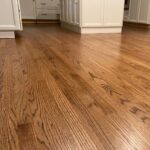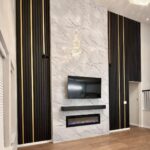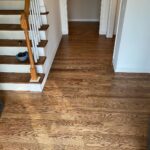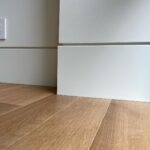
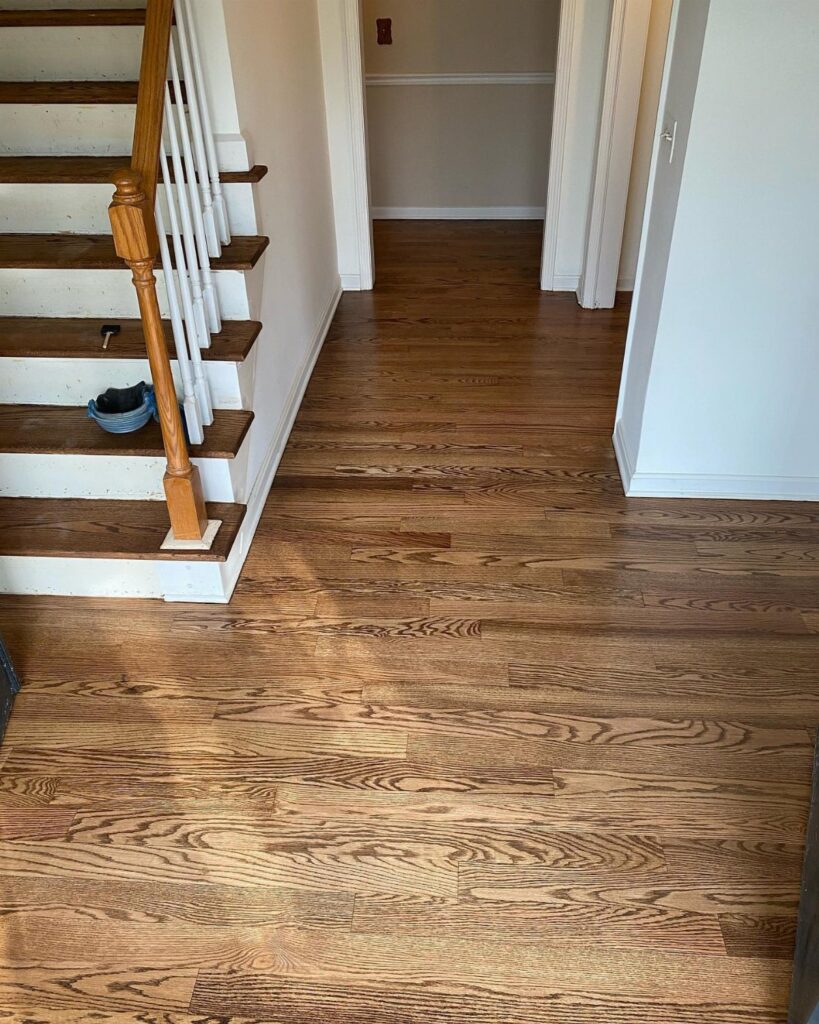
These stains run from pale Light Ginger to True Black, and the right one depends on whether your room faces north or south, how much dog hair you sweep, and whether you want the floor to whisper or announce itself.
[link-whisper-related-posts]1. Provincial Wood Floor Stain Color
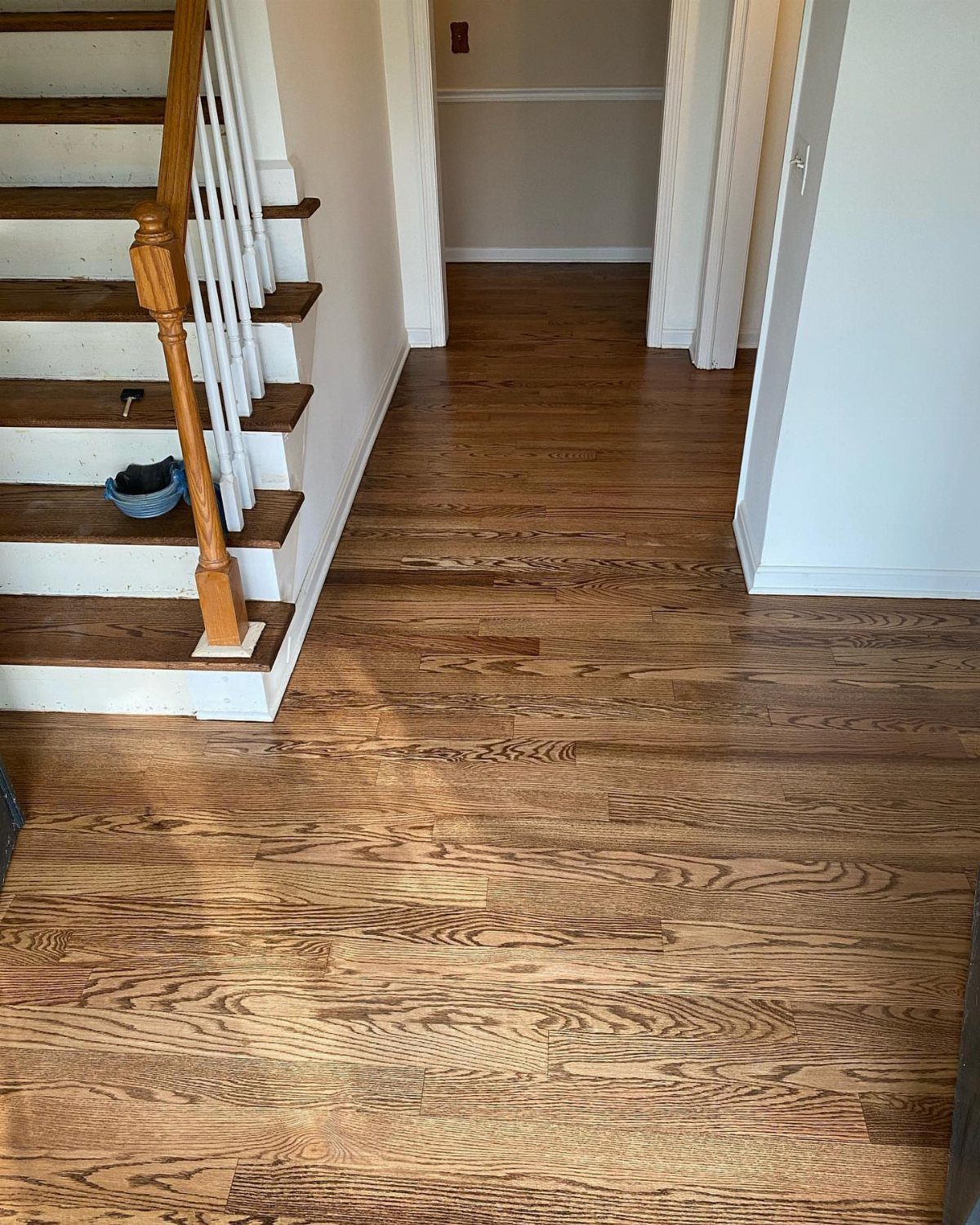
Provincial reads as the brown hardwood floors you grew up with, warm without tipping orange or red. It suits pine, oak, and maple equally well, which matters when you are staining existing boards rather than buying new.
Undertones decide whether the color reads warm or cool once it is on your boards. On some woods it pulls pink; on others it goes muddy.
Test it on a scrap of your actual floor, not the sample board at the store.
I would pick this for a hallway or stairs that need to stay readable in low light, since the mid-tone hides dust and scuff marks better than something paler.
2. Dark Walnut Wood Floor Stain Color
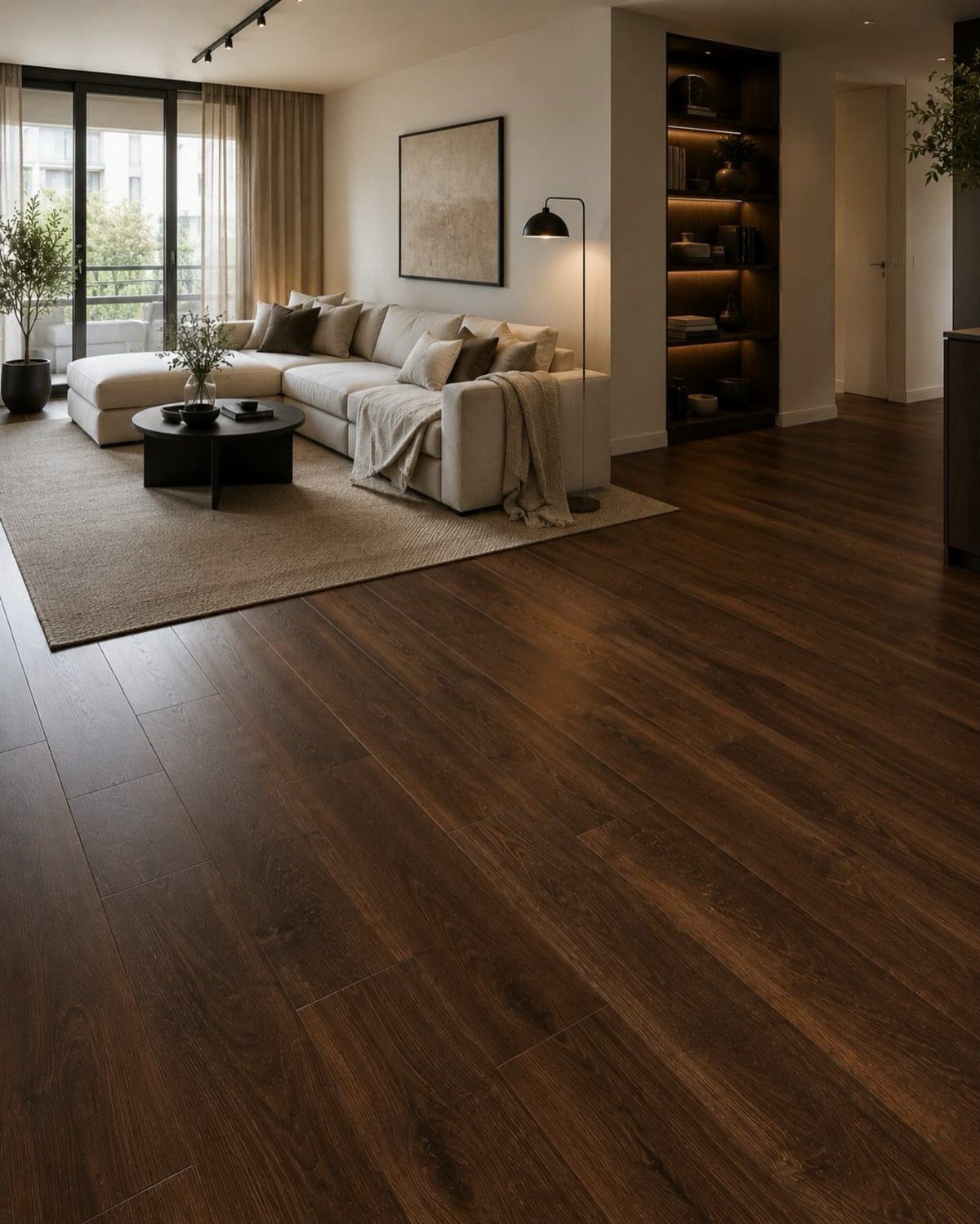
Dark Walnut sits nearly black in shadow but opens up to a deep chocolate brown when the light hits it straight on.
The brown still has life in it, so a living room keeps some drama without going flat like solid black.
It works with cream sofas, black metal frames, warm brass, or white walls, which is why it keeps showing up in modern builds.
The polish comes from the stain’s own depth, not from high-gloss topcoats, so you can keep the finish satin and still look intentional. One limit: every scratch shows.
I would not use this in a house with big dogs or small kids unless I planned to touch up often.
3. Special Walnut Wood Floor Stain Color
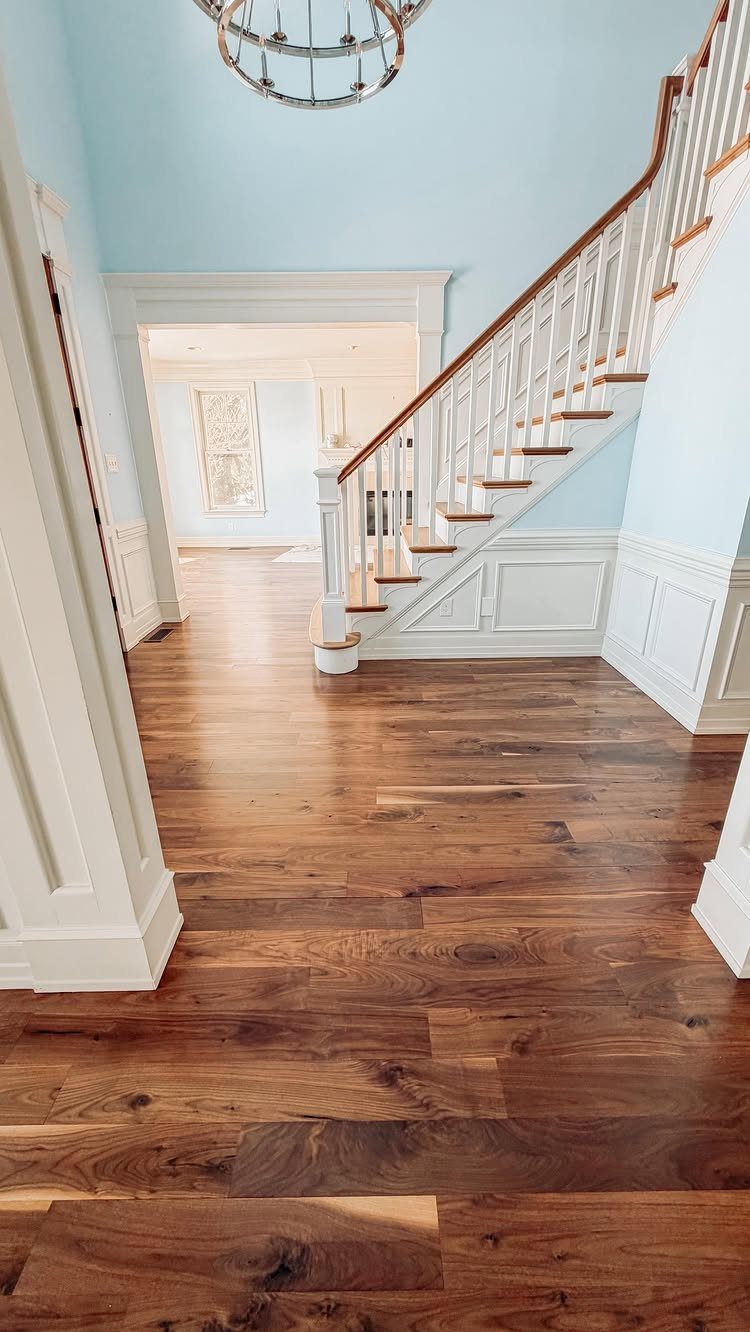
Special Walnut is the color I point people toward when they say they want brown and nothing else, no red, no yellow, no gray.
It stays neutral across different lights and different woods, which saves you from that moment when you realize your floor looks purple at dusk.
It does not emphasize grain the way some stains do, so the boards read smoother and more uniform. That is a tradeoff if you wanted rustic.
The fix, if you do, is blending it with Golden Oak for a slightly more textured look, or accepting that this floor is doing something else and adding texture through rugs or furniture instead.
4. Silvered Gray Wood Floor Stain Color
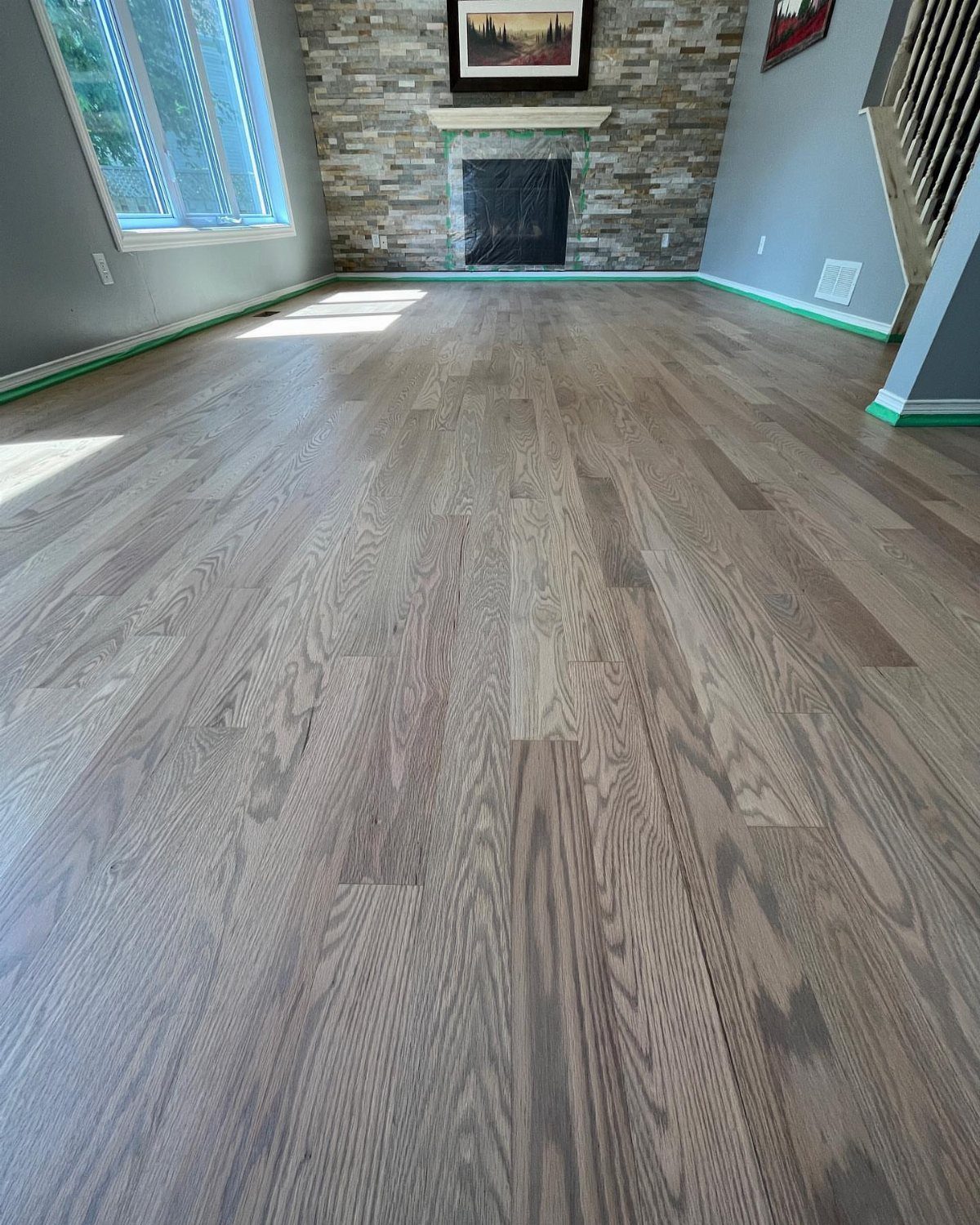
Silvered Gray turns oak into something that reads like weathered barn wood without the actual century of weathering.
It works best in rooms with enough natural light to keep it from going cold and flat; north-facing spaces can feel like a garage sale.
The stain sits on top of the grain rather than soaking in deep, so coverage matters. Two thin coats beat one heavy one, and you will want a water-based poly over oil-based stain to keep the color from yellowing.
I would use this in a room with stone, black metal, or white linen, where the floor can be the quiet element and the texture does the talking.
5. True Black Wood Floor Stain Color
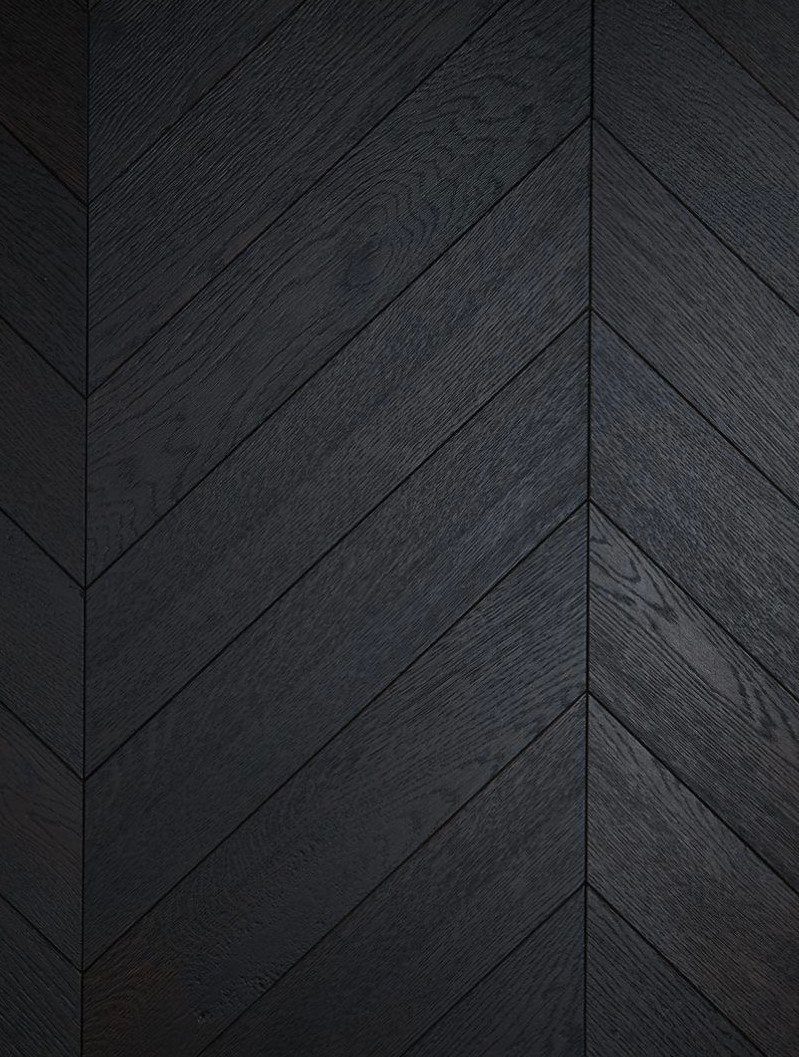
True Black is not dark brown pretending; it is actual black, grain still visible but color gone.
It needs bright walls or bright furniture to keep the room from closing in. White, saturated blue, or even hot pink, anything but beige, which just dies against this floor.
The practical cost is maintenance: dust, hair, and footprints read as light against dark, so you are sweeping more often or living with it.
I would do this in a space with good light and not much through-traffic, or commit to a robot vacuum and a schedule.
6. Nutmeg Wood Floor Stain Color
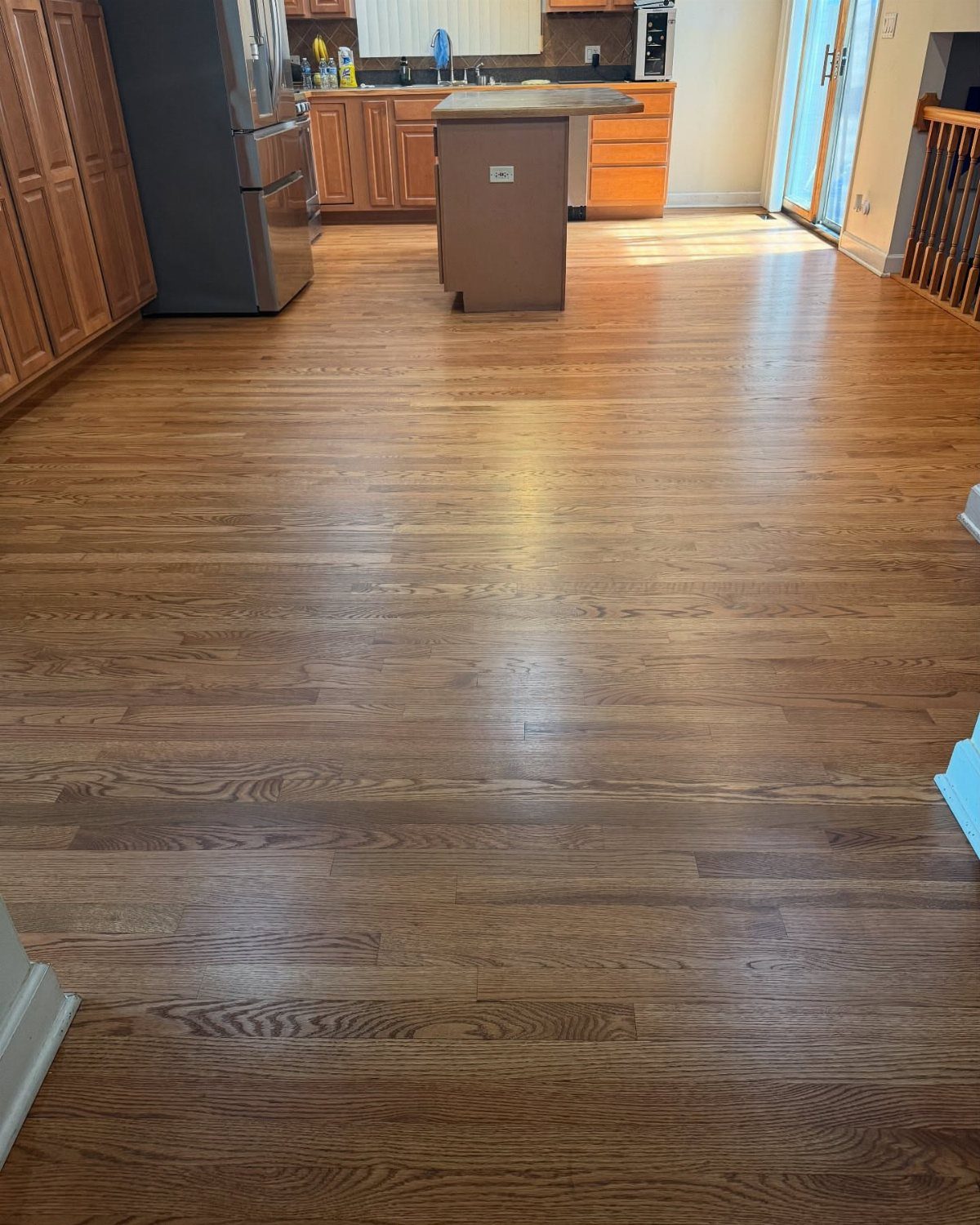
Nutmeg warms a kitchen without the dated feel of orange-heavy stains from decades past.
It sits in the same family as Provincial but pushes cozier, which works when the room already has hard surfaces like stone counters and stainless appliances that need softening.
The tone flatters wood grain without making it the whole story, so you can live with it through changing cabinet colors and backsplash choices.
Test it against your existing wood if you are staining in place; old boards absorb differently and can turn patchy.
I would pick this for a kitchen or family room where people actually sit on the floor, since the warmth reads inviting rather than staged.
7. Antique Brown Wood Floor Stain Color
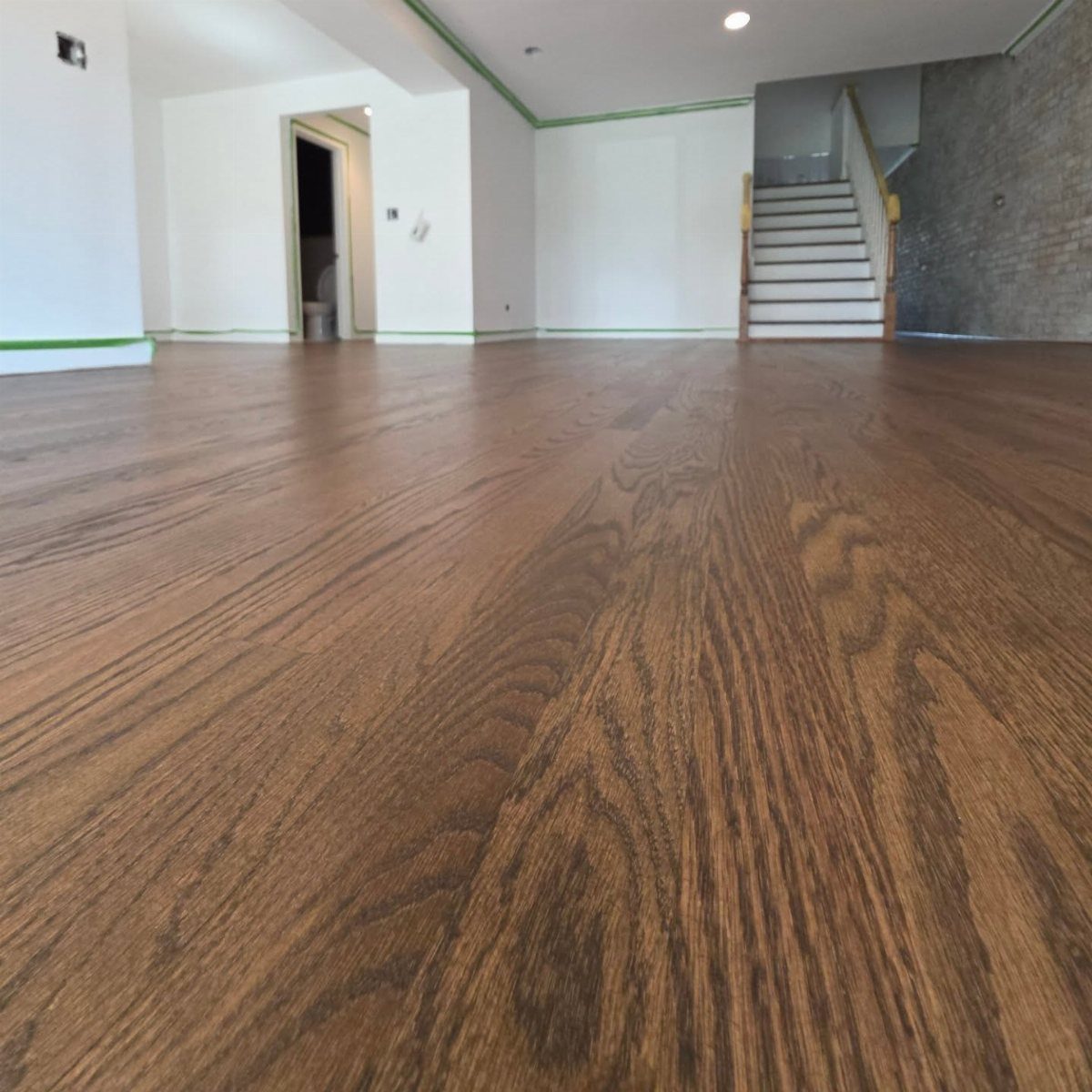
Antique Brown reads like something inherited rather than installed, a color that sits between chocolate and old leather.
I would reach for it in a Craftsman bungalow or anywhere the trim runs thick and the light comes from table lamps instead of overhead cans.
The vintage quality comes from the undertone, which leans yellow rather than red; under warm bulbs it glows, under cool LEDs it can flatten to mud. Test it at the hour you actually use the room.
One coat on white oak gives a different story than two on red oak, so the species matters as much as the can.
I would not pair it with gray walls or cool stone; it wants cream, sage, or the kind of navy that has brown in it.
8. Golden Oak Wood Floor Stain Color
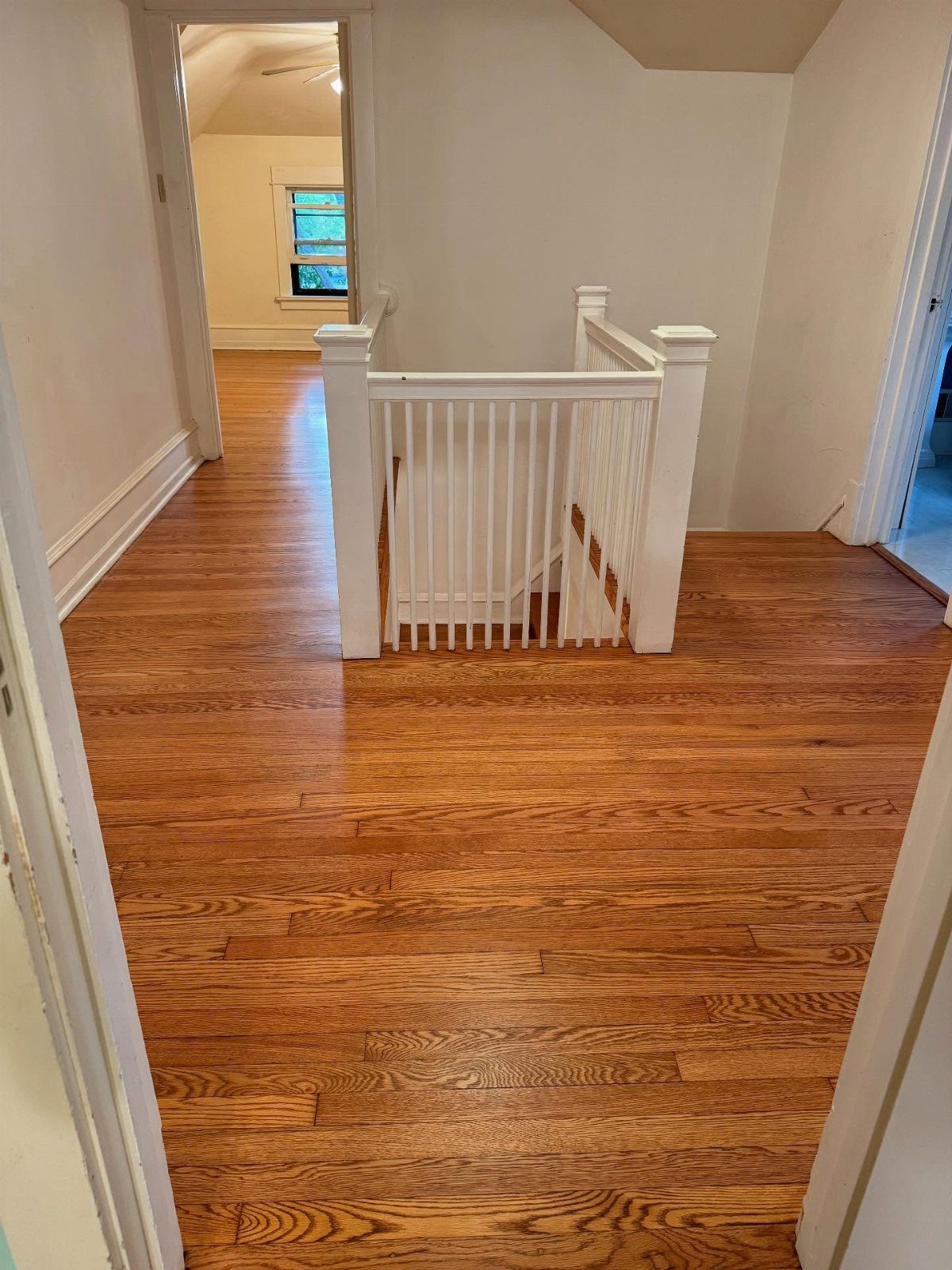
Golden Oak is the stain color I grew up seeing in every ranch house on my street, and it has stuck around for a reason.
The yellow-brown warmth flatters oak’s natural grain without shouting over it, which makes it forgiving when your furniture spans three wood tones and a painted piece or two.
The yellow is the real problem. North-facing rooms can push it toward institutional beige by afternoon, while southern light turns it honeyed.
I would test a 2×2 foot patch and live with it through a full day before committing the whole floor.
It needs little else changed: walls in warm white, trim in something creamier than stark gloss, and you are done.
For anyone who wants the floor to feel finished but not loud, this is the quiet choice that still reads as intentional.
9. Espresso Wood Floor Stain Color
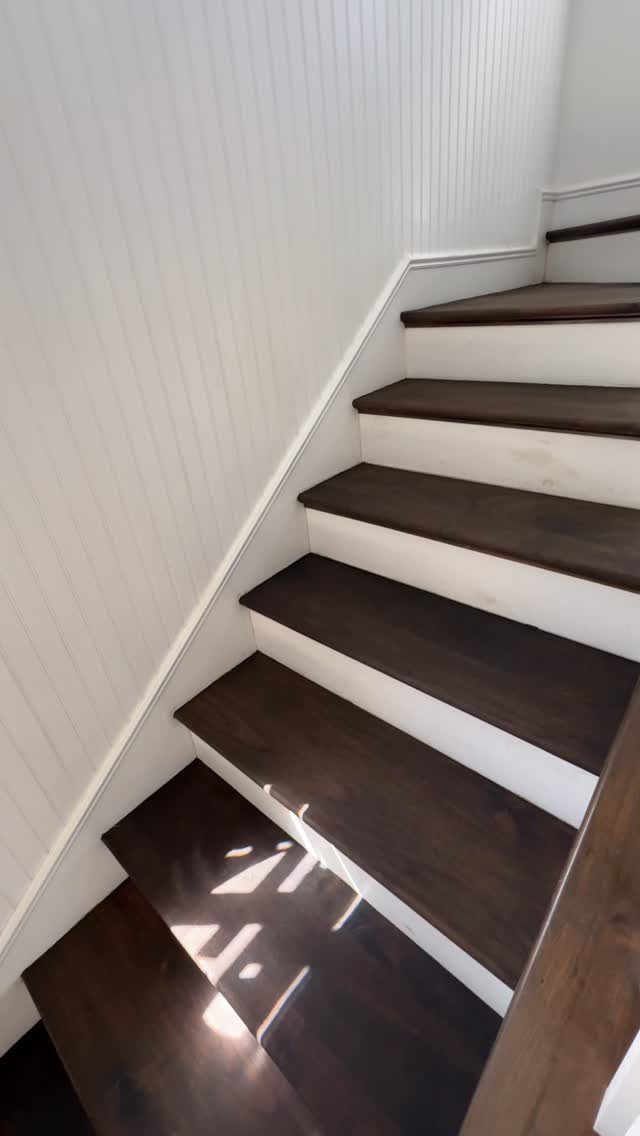
Espresso strips out the red that usually rides along with dark brown stains, and that absence matters more than the darkness itself.
A red undertone fights with gray upholstery, complicates black metal, and turns burgundy under certain bulbs; espresso simply stays brown.
I have seen it work best where the architecture supplies the interest and the floor grounds it without competing.
White risers against espresso treads turn a staircase into a graphic element; the same stain across a whole open plan can feel like a pool of ink unless the walls are very light and the furniture has legs.
It shows dust, paw prints, and the scratch that reveals raw wood beneath. The maintenance is real, but the polished look is equally real.
For someone who wants luxury without the warmth of red, this is the specific dark to ask for.
10. Light Ginger Wood Floor Stain Color
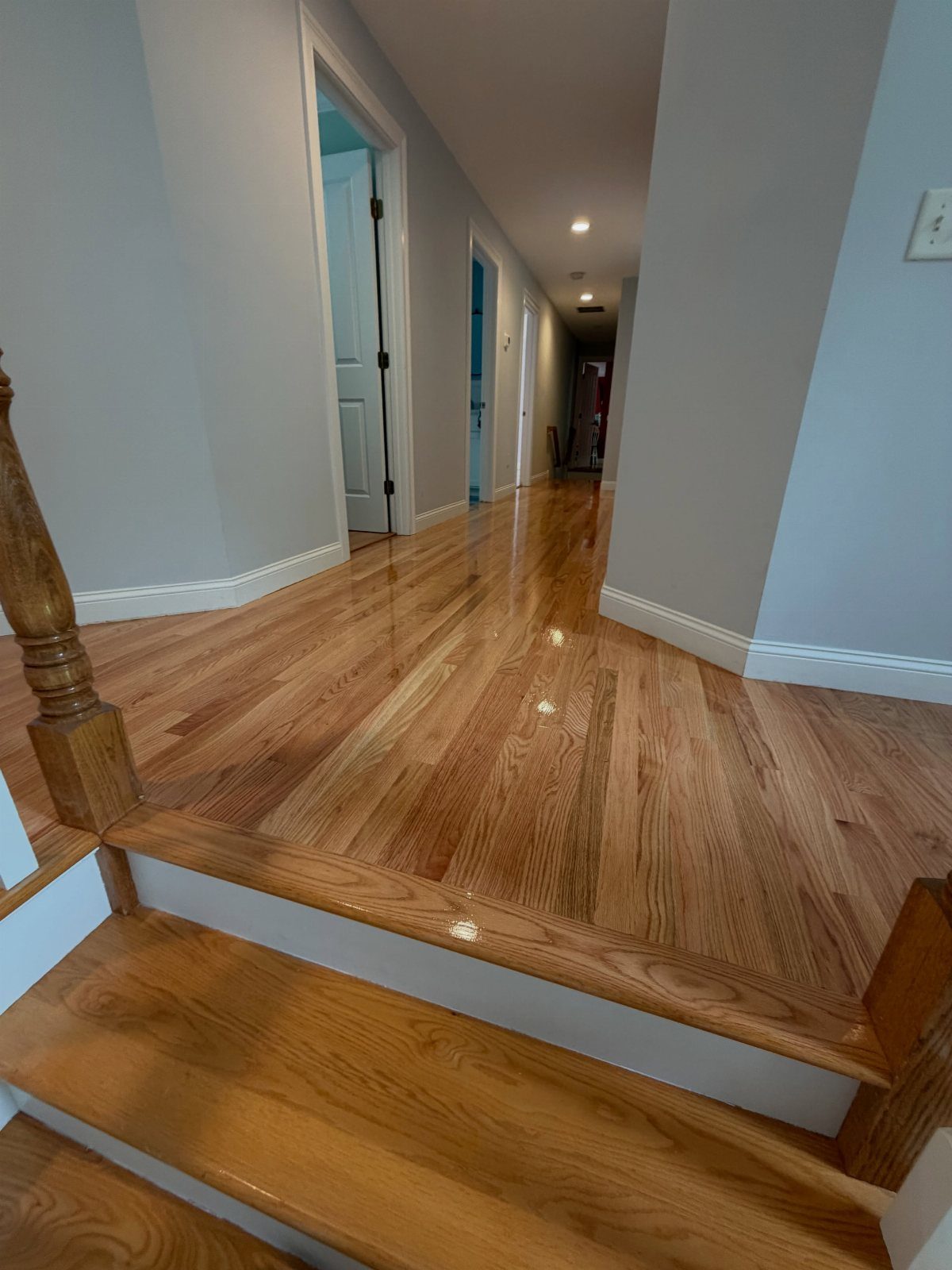
Light Ginger lives in the space between natural and stained, a warmth so subtle it reads as sunlight rather than color. Oak takes it especially well, the grain absorbing just enough pigment to deepen without masking.
The gloss level changes everything here. A satin finish keeps it casual, almost Scandinavian; semi-gloss and the same floor turns formal, even slippery under socks.
I would match the sheen to the rest of the house, not the trend.
Lighter species like maple or birch can go patchy with any stain, so a preconditioner is worth the extra hour and the cost.
Without it, the end grain drinks darker and the center stays pale, a mottled look that reads as mistake rather than character.
11. Cocoa Wood Floor Stain Color
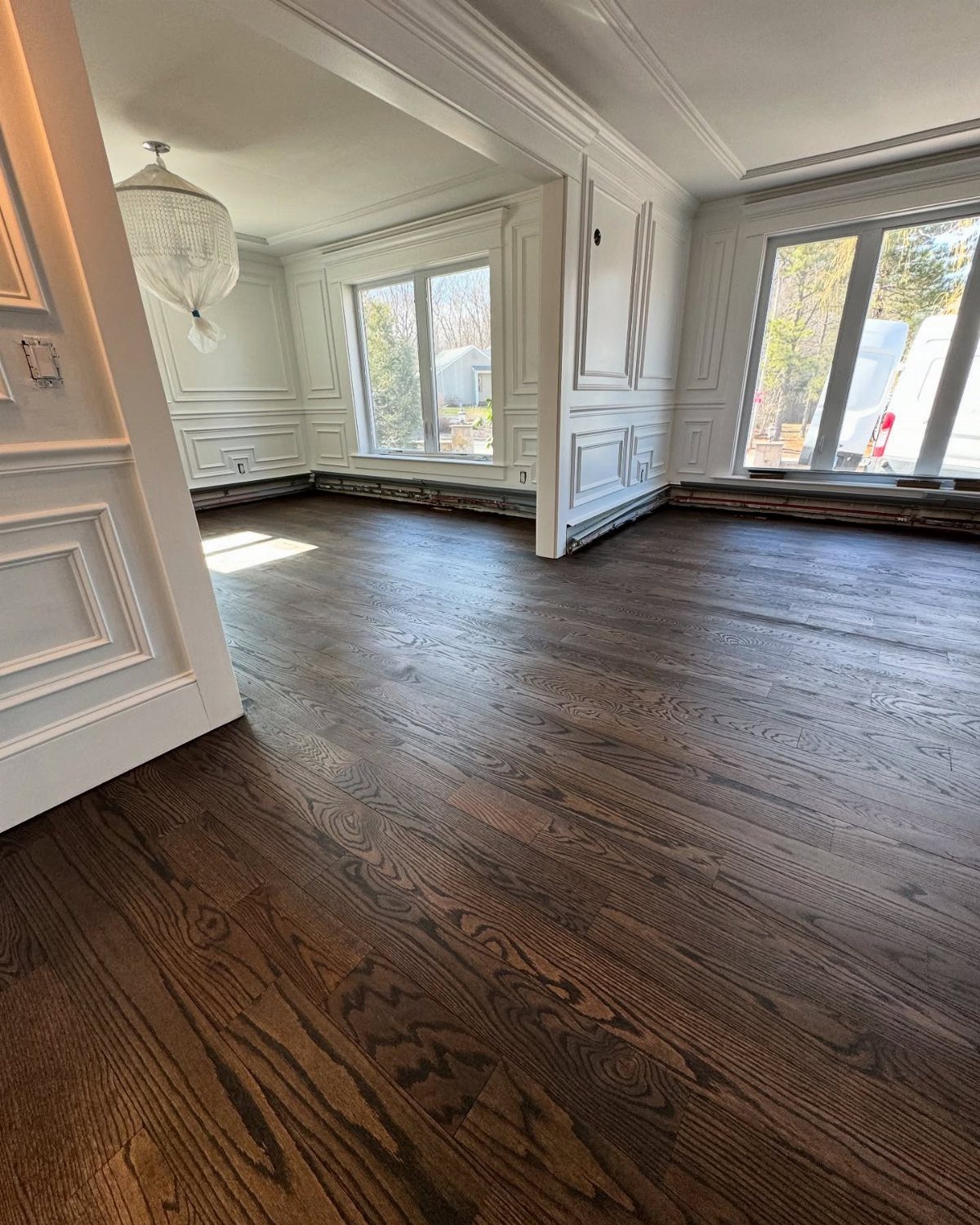
Cocoa hits a midpoint that darker stains miss: warm enough to hide the wear patterns of a real household, brown enough to ground a room without swallowing it.
The grain stays visible, which matters when you paid for plank flooring and want it to read as wood, not as painted surface.
I would use this in a kitchen that opens to living space, or anywhere shoes stay on and dogs run through. It forgives the grit that espresso broadcasts.
The undertone varies by brand, some pulling red, some pulling green-gray. Bring home samples from two manufacturers and lay them on your actual floor, not on the store’s display oak.
What reads as rich cocoa under fluorescent shop lights can shift to something else entirely against your walls.
12. Red Mahogany Wood Floor Stain Color
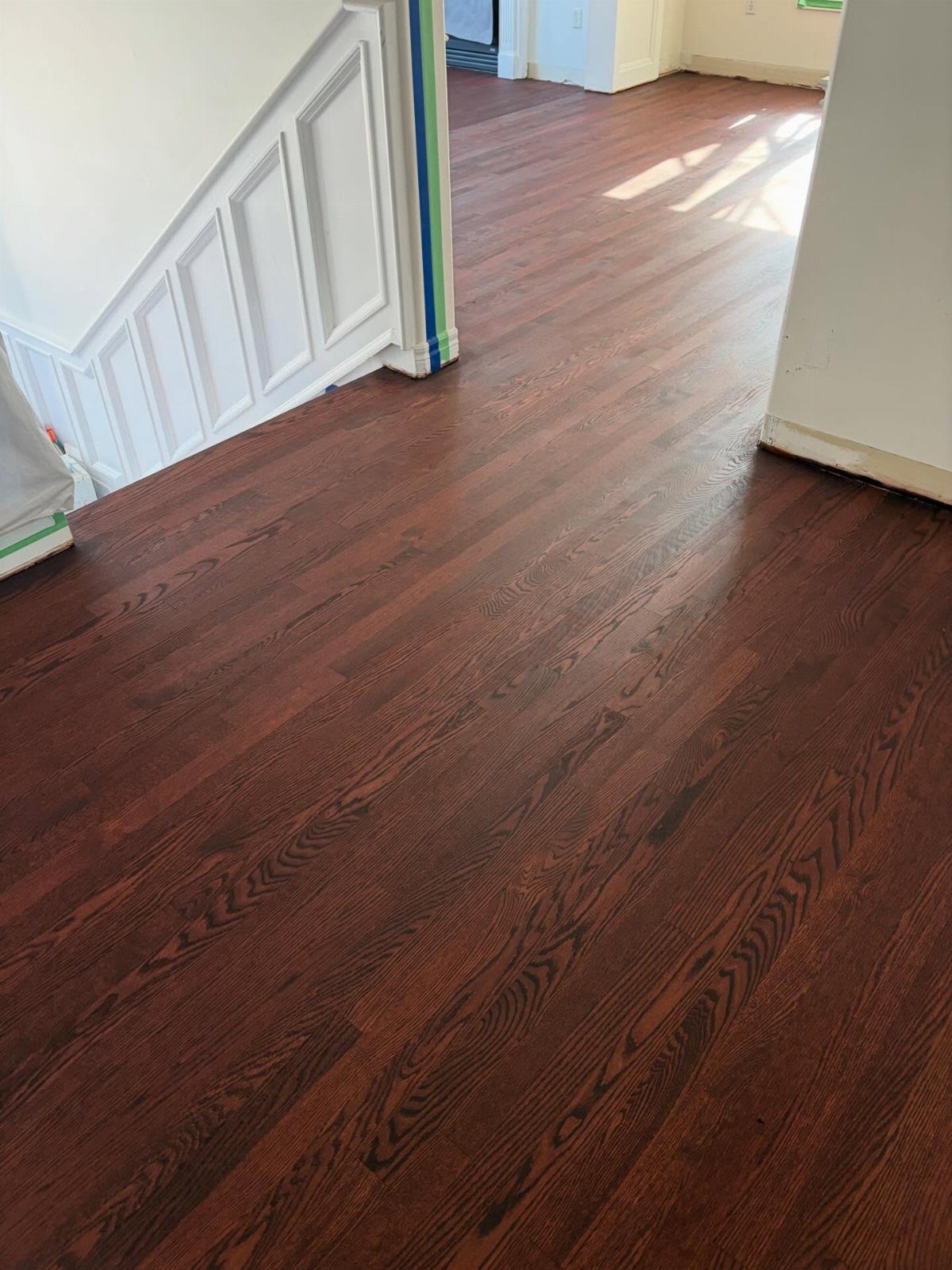
Red Mahogany announces itself the way few modern stains do anymore, a color with history and a little drama.
The red is unmistakable, not a whisper but a chord, and it suits rooms where the furniture is dark and the metals run to brass or oil-rubbed bronze.
It is not neutral. Gray sofas, cool white walls, and chrome fixtures will fight it every day.
I would build the room around the floor rather than dropping it into an existing palette and hoping for harmony.
A hallway in this tone works because you pass through; a whole living room can feel like a library even when you wanted airy.
Consider it for a space you move through, or for one you intend to keep dim and lamp-lit in the evenings, where the red deepens to something near burgundy and the effect is pure atmosphere.
13. Jacobean Wood Floor Stain Color
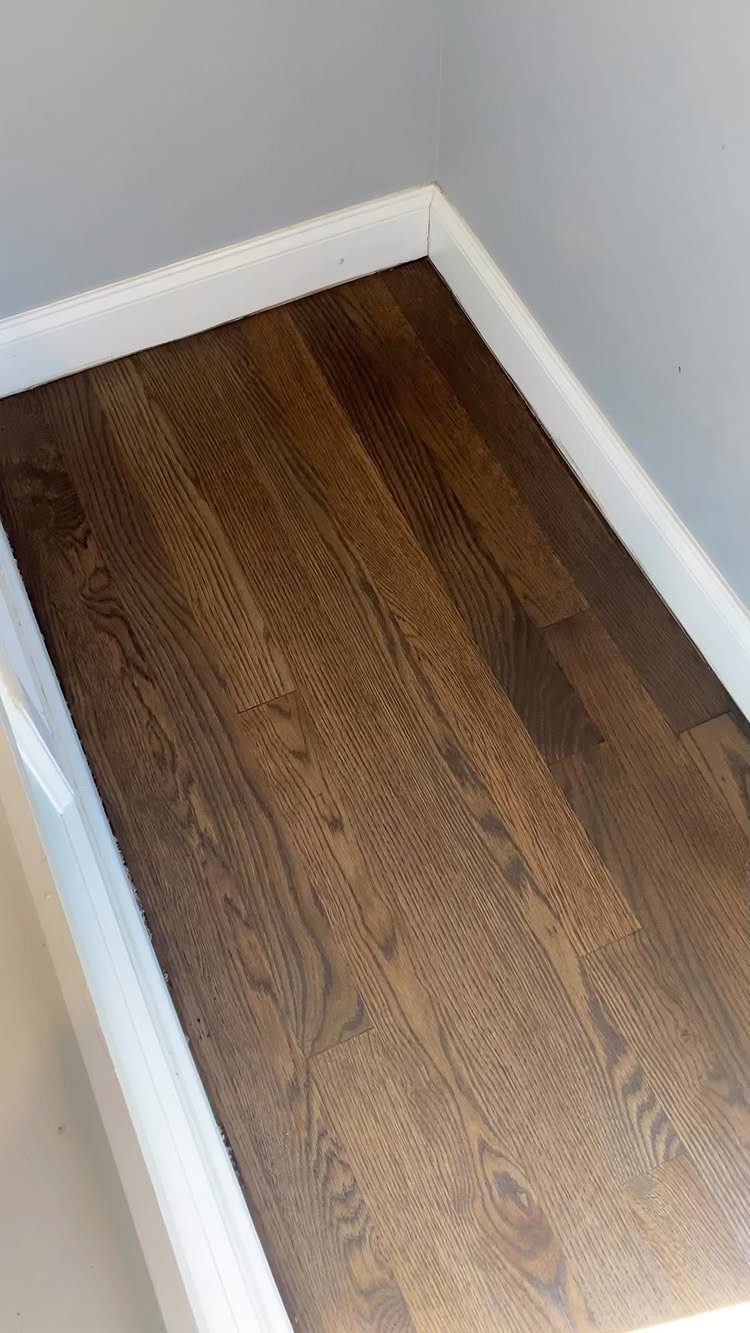
The color shifts with the light: dark enough to feel dramatic in the evening, warm enough to keep a room from feeling like a stage set when morning comes through the windows.
I would not use this on boards with heavy swirl or prominent knots; the darkness swallows the grain you paid for. Clearer maple or select white oak carries it better.
Two coats of stain and three of polyurethane put it at the upper end of a weekend job, so plan for an extra half-day.
This one rewards rooms that already have strong trim or built-in character. In a plain white box it can feel like a stage set waiting for furniture.
Choosing the Right Stain
Start with the wood you have, not the color you want. Pine drinks stain unevenly and can go blotchy; oak takes it evenly and shows grain; maple stays stubbornly light in patches.
The same can of Provincial reads warm on one species and muddy on another.
Light changes everything. A stain that looks rich under the store’s fluorescents can flatten to nothing against your walls.
Your existing furniture matters too. Three wood tones already in the room need a stain that bridges them rather than adding a fourth.
Golden Oak forgives mixed woods; Red Mahogany demands the whole palette shift around it.
Create limitless looks with more than 240+ color options. Find the perfect stain color for your project by browsing the Minwax® color library.
— Minwax
Testing Stain Colors
A 2×2 foot patch in an unnoticed corner beats a sample board every time. Live with it through morning light, afternoon shadow, and your actual lamps in the evening.
The wood species in your floor matters as much as the stain color. White oak carries color truer; red oak pushes grain forward and can turn patchy.
Semi-transparent stains let that undertone show through, so the same color looks different on every board.
Blend two stains if you want something specific, but test the mix on several boards. One plank can read far more yellow than its neighbor from the exact same batch, especially on grainier white oak.
Stain Application Tips
A lint-free rag is the tool I would reach for. I load the brush, sweep against the grain in a single pass, then wipe the extra stain away before it sets.
One even sweep keeps the finish from turning tacky and lets the wood texture show through.
Water-based polyurethane keeps the color true and won’t amber over time the way oil-based can. Apply it with a synthetic brush or foam pad, working with the grain in thin coats.
At 70°F and around 50% humidity, another coat of water-based finish is ready in an hour or two.
I hit it with 220-grit between coats to smooth the fuzz, then move fast with the next coat; water-based finish tacks up quick and shows every brush mark if I linger.
Blending Stains
Mixing stains works, but the result shifts from board to board even when you measure carefully.
I would not blend for a whole floor unless I had tested it on multiple boards from the same batch and could live with the variation. For a small table or shelf, the unpredictability matters less.
If you do mix, keep notes on the ratio and the brands. Special Walnut blended with Golden Oak gives a more textured, rustic look than Special Walnut alone, but the exact proportion changes the story.
Test it, write it down, then hope the next can matches.
Frequently Asked Questions
What is the most popular wood floor stain color?
Provincial, Dark Walnut, and Special Walnut keep showing up as the colors people actually ask for.
Provincial gives you that warm brown floor your grandparents probably had, while Special Walnut plays it straight, no red or yellow undertones fighting the light.
Dark Walnut goes almost black in the corners but warms to deep chocolate where the sun hits, which keeps a modern room from feeling like a cave.
What are the downsides of staining wood?
Stain color shifts by wood species and can pull unexpected undertones once it is on your actual boards. Provincial can turn pink or muddy depending on the wood; Silvered Gray can go cold and flat in north-facing rooms.
Multiple thin coats usually beat one heavy coat, especially with grays where coverage matters.