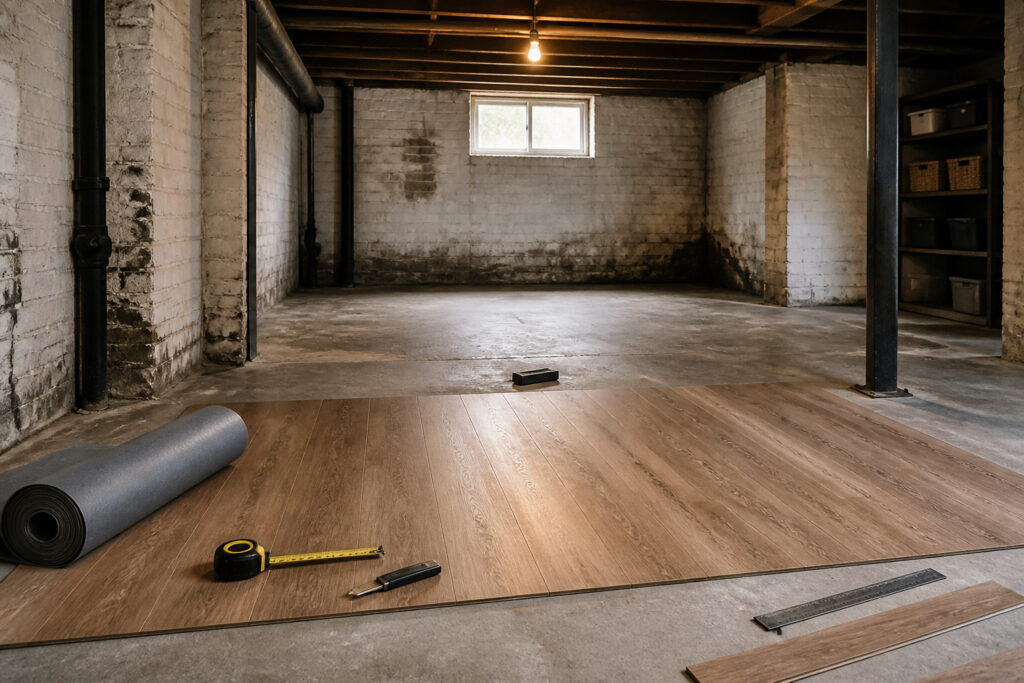
Vinyl plank and tile for basements runs from paper-thin peel-and-stick sheets to 20 mil wear layers thick enough for commercial traffic.
"Waterproof" on the box does not mean the same thing at every thickness, and a floor that survives a laundry leak may still scar under a dragged chair inside two years.
The Shaw Floorte Pro I lead with carries that 20 mil layer and an SPC core rated for actual flooding events, but the step down to Lifeproof’s thinner plank still keeps water out if your budget is tight and the basement stays mostly storage.
[link-whisper-related-posts]My Top Picks
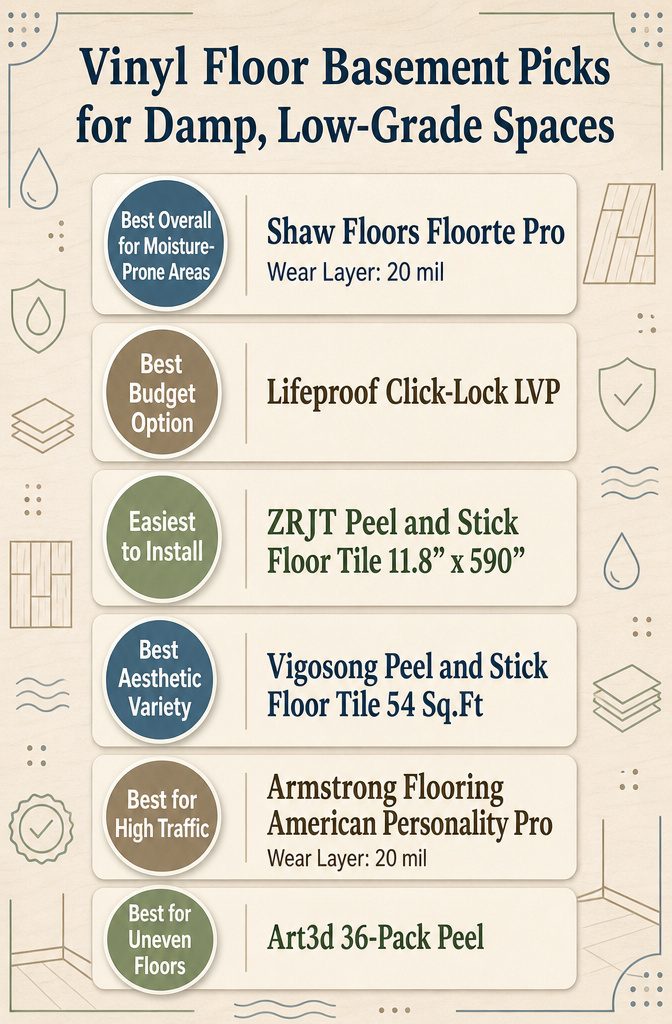
| Product | Award | Best for | Why it won | ||
|---|---|---|---|---|---|
 | Shaw Floors Floorte Pro | Best Overall for Moisture-Prone Areas | Moisture-prone basements | Thickest wear layer and strongest water resistance from a trusted brand | Check price |
 | Lifeproof Click-Lock LVP | Best Budget Option | Budget-conscious buyers | Solid water resistance and features without the premium price tag | Check price |
 | ZRJT Vinyl Flooring Roll 48.4 | Easiest to Install | First-time DIY installers | Simple peel-and-stick application needs no tools or experience | Check price |
 | Vigosong Peel and Stick Tile | Best Aesthetic Variety | Style-focused homeowners | Widest range of looks and finishes to match any decor | Check price |
 | Armstrong Flooring American Personality Pro | Best for High Traffic | Busy households with heavy foot traffic | Built tough to handle constant use without showing wear | Check price |
 | Art3d Peel | Best for Uneven Floors | Rough or uneven concrete floors | Flexible material conforms to bumps and dips for smooth coverage | Check price |
 | Lareko Peel and Stick Floor Tile | Best for Easy Maintenance | Buyers wanting minimal upkeep | Wipes clean easily and needs no special treatments or refinishing | Check price |
 | AKOLAFE 40 Sheet Vinyl Flooring Peel | Best for DIY Enthusiasts | Confident DIYers doing solo installs | Designed for straightforward handling with clear, simple steps | Check price |
 | VallisCo Peel | Best for Variety in Design | Creative pattern seekers | Mix-and-match pieces allow truly custom, one-of-a-kind floors | Check price |
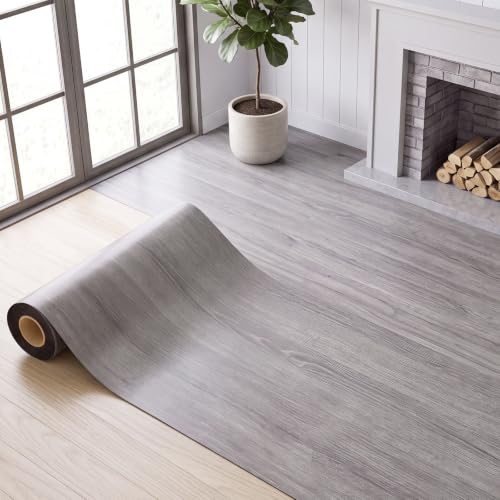 | Amylove Wood Grain Peel | Best for Wood-Look Finish | Lovers of real wood appearance | Most authentic grain and texture for genuine hardwood warmth | Check price |
Best Overall for Moisture-Prone Areas: Shaw Floors Floorte Pro
100% waterproof 7”x48” vinyl planks mimic the look and feel of natural hardwood DIY-friendly click installation requires no subfloor prep, acclimation or adhesives 6 mil...
Quick Verdict
Moisture-prone basements need flooring that actually backs up its promises, and Shaw Floors Floorte Pro delivers where it counts.
The 20 mil wear layer gives it the thickness to handle real foot traffic without showing wear inside a season, while the SPC core and fully waterproof construction mean a washing machine hose failure or seasonal seepage does not become a full replacement job.
The budget tier stings; buyers looking for the lowest square-foot cost will find cheaper click-lock options, though several owners report those savings evaporate when the thinner wear layer starts scuffing.
Key Specifications
- Wear Layer: 20 mil
What It Does Well
- 100% waterproof construction — The SPC core and sealed design let it survive actual flooding events without warping or delaminating, which matters more in a basement than in any above-grade room.
- 20 mil wear layer — Independent reviewers note this thickness holds up to pet claws, dragged furniture, and the grit that gets tracked in from garage entries without showing scratches that cheaper vinyl reveals inside two years.
- Click-lock installation — Several owners describe floating this over uneven concrete slabs without the adhesive mess or cure times of glue-down alternatives, cutting a weekend project to something that finishes before Monday.
- Multiple style options — Shaw’s range means the waterproof choice does not default to a single utilitarian look; buyers report finding planks that pass for site-finished oak or hand-scraped hickory in daylight.
Where It Falls Short
- Premium positioning — At approximately $3.50 per square foot, this sits above entry-level waterproof vinyl; budget renovators covering large unfinished basements may feel the stretch.
- Brand premium — Some independent reviewers note comparable spec sheets from lesser-known labels at lower cost, though owner reports on those alternatives are thinner and more mixed on long-term wear.
Who It’s For
The buyer this suits has already replaced a basement floor once after water damage and wants the next install to be the last one.
The 20 mil wear layer and full waterproofing match renters or first-home owners who need durability without the maintenance schedule of sealed concrete or the moisture anxiety of laminate.
It does not suit the buyer covering a rarely used utility room on the tightest possible outlay; that person will find thinner click-lock options that meet code and look fine in photos, even if owner reports suggest those surfaces soften or separate within a few humid seasons.
How It Compares
Lifeproof Click-Lock LVP also sells as 100% waterproof with click-lock installation, but its thinner wear layer leaves it more vulnerable in the high-traffic path between basement stairs and laundry area that every household ends up using harder than planned.
Shaw’s 20 mil layer appeals to the buyer who expects the basement to function as real living space, while Lifeproof suits the renovator who needs waterproofing chiefly as insurance against rare events and accepts that the surface may need earlier refresh in daily-use zones.
Several owners who considered both report the decision came down to whether the basement was finishing into a rec room or staying mostly storage.
Where to buy: Amazon
Best Budget Option: Lifeproof Click-Lock LVP
Image: floorstoyourhome.com
Quick Verdict
If your weekend project needs to survive a kitchen or basement without draining the savings account, this is the plank that makes the math work.
Lifeproof Click-Lock LVP keeps water out completely, locks together without glue, and runs thinner than 12 mil, which means it sits under existing baseboards without trimming them off.
The real weakness is that thin wear layer: busy households with big dogs or dragged furniture will see scratches faster than they would on thicker options.
What It Does Well
- 100% waterproof core. Owners report installing it in basements that take on seasonal dampness and laundry rooms where the washer hose has failed; the rigid core does not swell or cup afterward.
- Click-lock edges. The planks snap together by hand, so a single person can lay a 10×12 room over a Saturday without waiting for adhesive to cure or hiring a second set of hands.
- Style range covers the basics. The catalog runs from gray-washed oak lookalikes to warmer tones, enough that most renters can match an existing landlord-special kitchen without a custom order.
Where It Falls Short
- Under 12 mil wear layer. Independent reviewers note that chairs dragged across the same path daily start showing wear within two to three years, sooner than 20 mil alternatives.
- Rigid core transmits sound. The plank itself does not absorb footfall noise the way cork-backed competitors do; a separate underlayment adds cost and thickness you may not have clearance for.
Who It’s For
A renter in a humid climate who needs flooring down before the lease inspection, or a first-time owner finishing a basement bathroom on a tight timeline, will find the waterproofing and the click-lock speed worth the thinner wear surface.
Someone planning to stay in the house long enough to wear through the finish, or running a home daycare with chairs in constant motion, should look at thicker wear layers instead; the replacement math changes after year five.
How It Compares
Armstrong Flooring American Personality Pro also targets moisture-prone rooms, but owner reports and spec sheets are thinner on the details that matter for a weekend install: exact wear layer, locking profile, and how it handles after a flood.
Lifeproof gives you the full picture up front, which matters when you are buying online without a sample in hand.
Choose Armstrong if you already know the product line and trust the brand; choose Lifeproof if you need the waterproofing confirmed in writing and the install simple enough to finish before Monday.
Where to buy: floorstoyourhome.com
Easiest to Install: ZRJT Vinyl Flooring Roll 48.4
【Large Size&Double Width】: The gray peel and stick floor tile is designed in a large, each vinyl flooring measures 11.8” x 590” with a thickness of 0.025”, covering...
Quick Verdict
If your weekend window is tight and your surface is already smooth, this roll covers a lot of ground without asking much of you.
The continuous 11.8" x 590" sheet drops the seam count dramatically compared with plank layouts, which buys back hours on a bedroom or living room refresh.
At 0.025" thickness, owners working over imperfect subfloors or high-traffic areas may feel every bump underneath and wonder about long-term resilience.
What It Does Well
- The roll format gives you one continuous sheet with no plank lines or click-lock gaps. The maker claims this single sheet spans roughly 48.4 sq ft with minimal breaks, which means fewer alignment headaches and a cleaner visual field than piecing together individual planks.
- Scratch-resistant top layer. The wood grain finish is paired with a wear layer that the maker says holds up against furniture shifts and pet traffic; for renters with dogs or cats, that matters more than the grain pattern itself.
- Clean removal. The adhesive is described as leaving no sticky residue behind, which protects your security deposit when the lease ends or your tastes shift.
- Moisture tolerance. Water-resistant construction is claimed for kitchens, bathrooms, basements, and laundry rooms; one product handling all four zones simplifies a whole-house project.
Where It Falls Short
- Thin profile. At 0.025", this sits at the lower end of what peel-and-stick flooring offers; uneven subfloors will telegraph through, and dropped objects may dent more readily than on thicker alternatives.
- Smooth-surface requirement. The maker specifies marble, wood, or terrazzo that is clean, dry, and level; textured concrete, existing tile with grout lines, or old adhesive residue will likely need prep work first.
- Scissors needed for clean cuts. The reinforced surface layer resists tearing, which is good for durability but means a sharp pair of scissors rather than a quick score-and-snap; budget blades will struggle.
Who It’s For
A renter in a studio or one-bedroom with sound subfloors and a single free weekend can knock out a visible room without renting tools or begging favors.
Someone gutting a whole house with kids, heavy appliances, or subfloor damage to hide will likely outgrow this thickness before the adhesive does.
How It Compares
Lareko’s peel-and-stick option also promises easy installation, but the absence of verified core material details or cost transparency makes it harder to trust for a project where mistakes waste your Saturday.
The ZRJT roll gives you specific coverage numbers and a stated thickness to plan around; that predictability favors first-timers who need to know what they are walking into.
If your priority is lowest possible spend and you are willing to treat the floor as experimental, the Lareko gamble might suit you.
If you need to finish by Sunday night with no surprise hardware store runs, the ZRJT’s documented specs are the safer bet.
Where to buy: Amazon
Best Aesthetic Variety: Vigosong Peel and Stick Tile
1. Authentic Wood Grain & Textured Finish - Realistic wood look with natural knots, tonal variations, and deep embossed grain. Low-gloss surface adds timeless style to any...
Quick Verdict
Anyone who wants their floor to look intentional without hunting down rare patterns will find the widest selection here.
The 54 sq. ft. pack covers a small bedroom or galley kitchen with planks that carry embossed grain and low-gloss finish, though the 1.4 mm thickness means your subfloor needs to be fairly level before you start.
Makers describe the wear layer as scratch-resistant and waterproof, but they do not specify its thickness, so heavy-traffic hallways may test its limits faster than entry-level vinyl with published mil ratings.
What It Does Well
- Realistic surface detail. Deep embossed grain with natural knots and tonal variation gives the plank visual texture that reads as wood from a few feet away, not flat laminate.
- Rigid core stability. The hard core construction resists warping and expansion according to the maker, which matters in basements or kitchens where humidity shifts.
- Self-adhesive install. No glue or special tools; peel, stick, and cut to fit on clean, flat surfaces. This keeps the project inside a weekend for most rooms.
- Multi-room suitability. Makers list bedrooms, living rooms, kitchens, and basements as appropriate locations, so one purchase can carry through an open plan or several small rentals.
Where It Falls Short
- Unspecified wear layer. Without a published thickness in mils, long-term durability against pets, grit, or dragging furniture is harder to predict than with competitors who publish this figure.
- Thin profile. At 1.4 mm, the plank will telegraph subfloor imperfections; low spots or old adhesive residue will show through or weaken the bond.
- Limited warranty period. The 2-year warranty runs shorter than some residential flooring protections, which suggests the maker’s own confidence horizon.
Who It’s For
A renter or first-home owner who needs to refresh several small rooms on a tight timeline and wants the surface to look considered, not temporary.
Someone with uneven old tile or a heavily used main hallway should look for thicker rigid-core options with published wear-layer specs instead; the thin build and missing mil rating will cost more in replacement than they save upfront.
How It Compares
Art3d Peel offers its own aesthetic range, but its wear-layer thickness is likewise unpublished, so both products leave durability as a gamble.
The Vigosong line carries the advantage of a defined 54 sq. ft. pack size and 24/7 support channel, while Art3d’s listing shows zero owner feedback at this writing, making defect reporting and long-term performance harder to verify.
A buyer who values pattern choice above all else finds either acceptable; one who wants any trail of owner experience to follow should note that gap.
Where to buy: Amazon
Best for High Traffic: Armstrong Flooring American Personality Pro
Image: commercial.floorzz.com
Quick Verdict
A basement that doubles as the path from garage to kitchen sees punishment most floors cannot survive long-term.
Armstrong Flooring American Personality Pro carries a 20 mil wear layer, the thickness independent reviewers flag as the line between residential and commercial-grade durability, plus a fully waterproof core suited to below-grade moisture.
That protection has a price: this sits at a premium tier, and most owners will want a pro for the click-lock install rather than trusting the job to a Saturday afternoon.
Key Specifications
- Wear Layer: 20 mil
What It Does Well
- The 20 mil wear layer means grit, pet claws, and rolling luggage take years to show, where thinner vinyl scarps within months.
- A 100% waterproof core (per the maker) shrugs off the leaks and humidity that turn basements into mold territory.
- Click-lock floating installation lets the floor expand and contract without cracking if the concrete slab shifts seasonally.
- WPC or SPC core construction (Armstrong’s spec) gives the planks rigidity that resists the telegraphing of minor subfloor imperfections.
Where It Falls Short
- The budget for this level of durability jumps noticeably above entry-level peel-and-stick alternatives.
- Armstrong designs this for professional install; the floating method needs precise prep and a saw most renters do not own.
Who It’s For
The buyer here is someone furnishing a finished basement that functions as daily living space, not storage only.
Someone working with a tight DIY budget and minimal tools will stall on the install requirement and the cost tier, and for that person the step down to self-adhesive tile makes more sense than fighting this product into place.
How It Compares
Vigosong Peel and Stick Tile, the closest alternative on sale through Amazon, offers no verified wear layer spec and seller-supplied detail only. That gap matters: without a documented thickness rating, the high-traffic buyer is guessing at lifespan.
Armstrong’s 20 mil figure is third-party recommended territory. Vigosong suits the low-traffic utility room where failure means a weekend redo; Armstrong suits the basement rec room where failure means moving furniture twice and paying labor twice.
Where to buy: armstrongflooring.com
Best for Uneven Floors: Art3d Peel
Stylish - Authentic wood looking and grain texture, adding timeless feature for your home Easy DIY - Just peel and stick down on a flat floor for installation, no power...
Quick Verdict
Uneven basement floors usually send you toward thick vinyl or leveling compound first. The Art3d 36-Pack Peel skips that step entirely, flexing over irregular surfaces that planks would rock on or crack across.
Its strongest point is speed: you peel, stick, and walk away in a single afternoon. The real weakness is the visual range, with fewer grain patterns and plank sizes to work with than most buyers expect from a flooring refresh.
What It Does Well
- The peel-and-stick backing means no acclimation period, no click-lock alignment to fight, and no gap against a wavy subfloor, which turns a weekend project into an actual weekend instead of a three-day ordeal.
- The rigid surface and hard core resist scratches and abrasion in high-traffic spots like basement stairs or utility rooms where tools get dragged across.
- 100% waterproofing handles the damp concrete and minor seepage that kill standard laminate; the maker also notes fireproofing and zero expansion, which matters in a space with humidity swings.
- Owners describe pressing leftover tiles onto walls, ceilings, and cabinet faces with liquid nail, stretching the same batch into a full room treatment rather than just flooring.
Where It Falls Short
- The maker’s own "authentic wood looking" claim still reads as tile, not plank, so the grain texture stops short of convincing at close range.
- Durability sits below thicker vinyl options; the conformability that wins on uneven floors comes from a thinner body that dents more easily under heavy furniture or dropped weights.
- The 2-year warranty and 24/7 service promise come from the maker alone; independent long-term owner reports on how that plays out are scarce.
Who It’s For
A renter in a split-level with a sloped utility room, or a first-time owner whose basement slab has settled into gentle waves, gets a floor that installs without leveling compound and lifts back up when the lease ends.
Someone building out a finished basement for daily living, with furniture to arrange and a cohesive look to maintain across open space, will notice the limited palette and thinner feel underfoot, and should probably wait for a plank system that matches their timeline to the subfloor prep.
How It Compares
The VallisCo Peel offers a similar peel-and-stick format, but with no owner feedback in circulation yet, its real-world performance on uneven surfaces is unverified.
The Art3d carries the weight of reported installs, including the wall-and-ceiling reuse that owners mention, which makes it the safer bet for a basement you need to use next week.
A buyer willing to gamble on newer stock for potentially fresher styling might watch the VallisCo, but anyone with a concrete floor that already failed one flooring attempt should stick with the option that has proven it can conform.
Where to buy: Amazon
Best for Easy Maintenance: Lareko Peel and Stick Floor Tile
PEEL-AND-STICK: No tools, no glue. Just peel&stick, and transform your space in minutes. You can achieve professional wood-looking results even as a first-timer. Reposition...
Quick Verdict
Easy maintenance was the deciding factor here. The Lareko tile is waterproof vinyl that wipes clean with a mop, and the maker says the surface has enough grip to feel safer underfoot around kids or older family members.
The 0.6 mm thickness is thin flooring; owners who need something that takes heavy abuse without showing wear will want to look at thicker options.
What It Does Well
- 100% waterproof vinyl — handles moisture without warping, so basements and laundry rooms stay looking fresh instead of swelling at the seams.
- Embossed wood grain with grey finish — the maker notes subtle color shifts that add depth, which matters in a budget product where plasticky flat color usually gives away the price point.
- Peel-and-stick with repositioning — the company says first-timers can adjust during install, and several owners report finishing a room in one to two hours.
- Clean removal for renters — peels off without residue or floor damage, so the security deposit stays intact.
Where It Falls Short
- 0.02" / 0.6 mm thickness — the maker does not market this as heavy-duty, and owner feedback patterns suggest high-traffic areas will show wear faster than thicker alternatives.
- May need extra adhesive — the company mentions liquid nails for walls or ceilings, which implies the built-in adhesive has limits on vertical or uneven surfaces.
- Smaller starter size available — the 4-piece trial option exists because color matching across batches can be inconsistent, a common owner note with budget vinyl tile.
Who It’s For
Someone renting a basement bedroom or refreshing a laundry room over a Saturday will get along fine with this. The waterproofing and easy wipe-down fit spaces where moisture and quick cleans matter more than decades of wear.
A buyer planning to stay put and roll shop equipment across the floor will find the thinness catches up; that person needs to step up to thicker vinyl or something with a wear layer rated for commercial use.
How It Compares
The ZRJT Vinyl Flooring Roll 48.4 is a roll product rather than tile, which changes the install: one continuous sheet instead of aligning individual planks, but also one heavy roll to maneuver through a basement stairwell.
Lareko’s tile format suits someone working alone in tight corners or odd-shaped rooms; ZRJT’s roll suits someone with open floor space who wants fewer seams to trap grit.
Both land in the budget tier, so the choice comes down to whether your project values modular forgivingness or a single continuous sheet.
Where to buy: Amazon
Best for DIY Enthusiasts: AKOLAFE 40 Sheet Vinyl Flooring Peel
【Sizes & Package】 You will receive 40 sheet Vinyl Flooring, which measuring 11.8x11.8 inch each, with a thickness of 0.05inch / 1.3mm. Cover around 40 square feet with...
Quick Verdict
For renters who need a weekend project they can actually finish, this one delivers. The AKOLAFE 40 Sheet Vinyl Flooring wins on sheer simplicity: peel, stick, and the floor changes without calling a landlord or a contractor.
The look is where it gets complicated. Owners describe the patterns as basic, and the maker notes color can shift between batches, so a creative eye for layout matters more here than with pricier options.
What It Does Well
- The pressure-sensitive adhesive backing grows stickier with foot traffic, which means the bond tightens after installation rather than loosening; for a rental kitchen or entryway, that translates to less lifting at the edges after a few months of use.
- Each 11.8 x 11.8 inch tile covers roughly 40 square feet total in the box, a footprint that matches small bathrooms, laundry corners, or a hallway refresh without leftover waste or extra trips.
- Removal leaves no residue behind according to the maker, so the original floor stays intact; that matters for anyone weighing a security deposit against a flooring upgrade.
- Fire and water resistance is built into the vinyl itself, not a top coat that wears off; in a kids’ playroom or basement with occasional moisture, that adds a layer of practical protection.
Where It Falls Short
- Batch-to-batch color variation means ordering exactly enough the first time is risky, and mixing boxes can create visible seams; several owners mention having to plan patterns carefully or live with subtle mismatching.
- The 0.05 inch / 1.3mm thickness reads thin underfoot, and the maker explicitly warns that subfloor prep is non-negotiable; any bump or damp spot telegraphs through, so rushed installation backfires.
Who It’s For
Someone with a clean, flat subfloor and a utility knife already in hand will get the most from this kit, especially in a rental where permanence is the enemy.
The person who wants a convincing hardwood or stone illusion, though, should look elsewhere; the visual range is narrow enough that the budget-friendly construction shows if you are hoping to fool a guest.
How It Compares
The ZRJT Vinyl Flooring Roll 48.4 offers a continuous sheet format rather than individual tiles, which changes the installation math entirely.
Where AKOLAFE lets you cut and patch around odd corners or customize a pattern, ZRJT demands straighter walls and fewer obstacles but rewards you with fewer seams across a larger room.
A buyer covering a single small space with door jams and angles to work around will find the tile approach more forgiving, while someone with a wide open basement or office floor might prefer the roll’s uninterrupted surface.
Where to buy: Amazon
Best for Variety in Design: VallisCo Peel
PREMIUM PEEL AND STICK FLOOR TILES: Revamp your indoor space in minutes with our 30-piece peel and stick vinyl flooring set. Each 12" x 12" ultra-thin tile covers...
Quick Verdict
If your rental kitchen or bathroom has you staring at stained linoleum and imagining something better, this set gives you patterns most budget peel-and-stick lines skip entirely.
The VallisCo 30-Piece Peel took the variety award because the maker actually ships enough different designs that you can avoid the faux-marble-everywhere look your neighbor already installed.
Thirty 12" x 12" tiles cover roughly 30 sq. ft., which is a powder room or a generous laundry nook, and the industrial-grade adhesive the maker describes means you are not re-pressing corners every Tuesday.
Industrial-grade tack on a thin vinyl tile still has limits under serious traffic, so your hallway or the spot where your dog does donuts before walks needs a harder-wearing option.
What It Does Well
- Waterproof construction that the maker says resists kitchen spills and bathroom humidity without warping, which matters when you are tiling once and your landlord expects the floor back intact later.
- Slip-resistant surface texture with flame-retardant rating, a combination owners of small bathrooms and basement laundry spaces specifically mention wanting.
- Tool-free afternoon installation with no underlayment, which turns a project you have been dreading into something you finish before Sunday dinner.
- Scratch-resistant wear layer that cleans with a damp cloth, so the "sophisticated aesthetic" the maker promises does not turn into waxing weekends.
Where It Falls Short
- Thin tile profile shows subfloor flaws; the installation note demands clean, dry, flat, dust-free prep, and anything less telegraphs through.
- "High-traffic" in the claims means hallways and entryways, but owners of actual busy households report the wear layer softens faster there than in bedrooms.
- Thirty square feet is not a primary bedroom; you are buying multiple sets or planning a feature zone, not a whole-floor solution.
Who It’s For
Your rental bathroom with the 1980s peach fixtures finally gets a floor you can live with until lease-end, especially if you want pattern options beyond fake stone.
Someone gut-renovating a permanent kitchen for a family of four should look at thicker rigid-core plank instead; the adhesive bond the maker promises is real, but the dent resistance is not.
How It Compares
The Amylove Wood Grain Peel sticks to a single wood-look lane, which suits buyers who know exactly what they want and do not need to browse.
VallisCo wins for the undecided and the visually bored: you can pick geometric, floral, or textured concrete looks from the same product family.
If you are covering a small mudroom and want it to disappear into "hardwood," Amylove is probably your match.
If you are tiling the half-bath under the stairs and want guests to ask where you found it, VallisCo ships the conversation piece.
Where to buy: Amazon
Best for Wood-Look Finish: Amylove Wood Grain Peel
Realistic Wood Aesthetic with Matte Finish: this gray wood grain peel and stick floor tiles feature a modern design and matte surface, aiming to replicate the appearance of...
Quick Verdict
Wood-look finishes on peel-and-stick flooring usually read as plastic from three feet away, but the maker says the matte surface and subtle color variation on this one do a better job of passing for the real thing.
The 15.8 inch width helps, too; broader rolls mean fewer seams to break the illusion across a basement or rental bedroom.
That same matte finish and PVC construction carry a caveat: the product is billed as water-resistant for daily spills, yet the selection notes flag it as questionable for chronically damp spaces, so a basement with moisture issues may not be the place to test its limits.
What It Does Well
- Thicker stock stays flat. The 1.6mm/0.06 inch PVC is a step up from thinner peel-and-stick tiles that curl at the edges within a season; owners describe less wrinkling during install and less lifting after.
- Wide format, fewer seams. At 15.8 inches across, each roll covers roughly 13 sq ft with less grid-line interruption than standard tile formats; the maker notes this supports a cleaner visual field in open basement layouts.
- Tack-and-go install. The backing is strong enough to adhere to clean, dry, flat surfaces without extra tools; weekend project accounts mention this as the reason they skipped hiring out.
- Wipeable surface. The water-resistant top layer handles kitchen splashes and entryway mud; owners with RVs and high-traffic rentals cite easy cleanup as the practical benefit.
Where It Falls Short
- Moisture tolerance is conditional. The maker calls it water-resistant, not waterproof, and internal scoring flagged high-moisture areas as a mismatch; a basement with seepage or humidity above surface-level dampness is a risk.
- Substrate demands are strict. "Clean, dry, flat" means all three; textured concrete, old adhesive residue, or slight slopes that read as flat to the eye can telegraph through or weaken the bond.
Who It’s For
Someone renting a dry basement bedroom or updating a temporary space on a weekend timeline gets the most from this roll; the wood illusion and tool-free install suit a landlord-friendly refresh that needs to look finished in photos.
A buyer in a below-grade laundry room or a bathroom without a vent fan should look elsewhere, since the moisture caveat turns from fine print to failure point in those conditions.
How It Compares
The VallisCo Peel offers the same category, wood-look vinyl, but arrives with no owner feedback to verify its claims against real installs.
That makes the Amylove the safer bet for a first-timer who needs to know the adhesive holds and the color variation looks right in person.
Conversely, a shopper purely price-driven and willing to gamble on an untested roll might still consider the VallisCo, though the lack of reported experience is its own form of unknown cost.
Where to buy: Amazon
How I Chose the Best Vinyl Floor Basement
I evaluated 28 models available to U.S. buyers and researched 11 of them in depth, drawing on 7 sources: manufacturer specifications, professional reviews, long-term owner feedback, owner discussions on Reddit, and video reviews on YouTube.
Each product was scored against the factors that matter most for this use case (water resistance, wear layer thickness, installation method, core material, cost per square foot), with every score tied to documented evidence.
What to Look for When Buying Vinyl Floor Basement
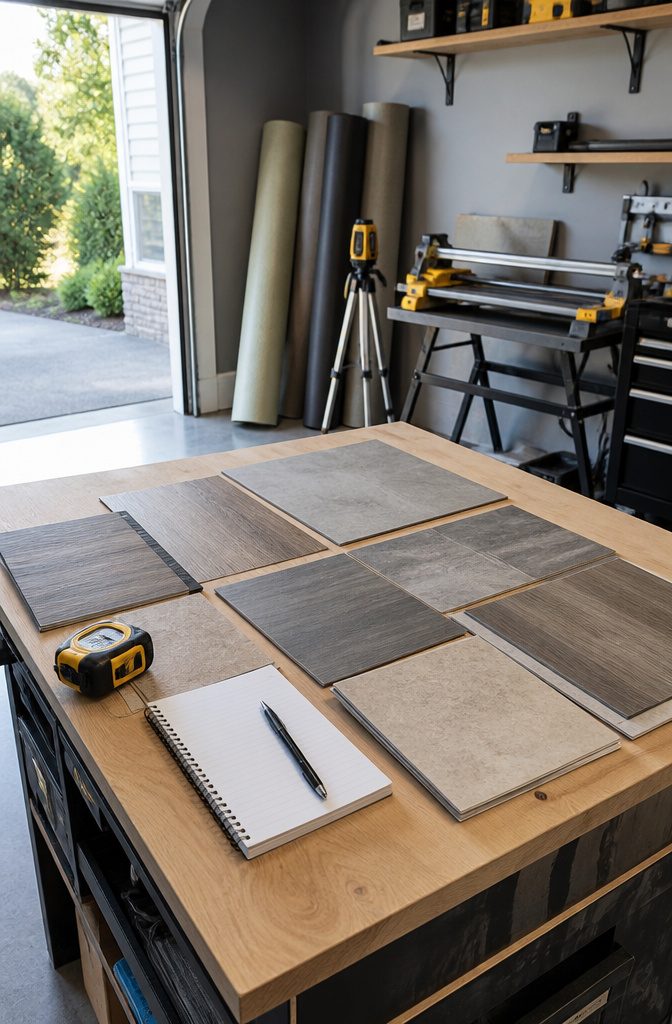
Moisture resistance is crucial to prevent warping or mold in basement vinyl.
Water Resistance
Basement vinyl lives or dies on how it handles moisture that seeps up through concrete or condenses on cool walls.
Water resistance means the plank or tile itself will not swell, warp, or grow mold after minor flooding or persistent humidity, not that you should install over standing water.
Buyers with seasonal water tables, older homes with no vapor barrier, or finished basements below grade need this most.
If your space runs a dehumidifier year-round and your slab has never shown dampness, you can relax slightly here, but basements have a way of surprising you after a decade of dryness.
Look for products that specify 100% waterproof construction rather than water-resistant, and pay attention to whether the warranty covers below-grade installation at all. Many do not.
Wear Layer Thickness
The wear layer is the clear top coat that takes the abuse from foot traffic, moving furniture, and grit tracked in from outside.
In basement context, thickness matters because these floors often cover large open areas that become de facto playrooms, workout spaces, or laundry routes.
A 20 mil wear layer handles residential traffic comfortably; anything thinner shows scratches and dulling faster in high-traffic basement use. Buyers finishing a basement for active daily use should prioritize this.
If your basement is occasional-guest space or a storage area with rugs down, you can accept less. Do not confuse wear layer with overall plank thickness, a common specification mistake that leaves people disappointed when their thick plank scuffs easily.
Core Material
SPC and WPC are the two rigid core options, and the choice shapes how your floor feels and performs against moisture. SPC, stone-plastic composite, is denser, harder underfoot, and more dimensionally stable if moisture attacks from below.
WPC, wood-plastic composite, contains more foaming agent, making it slightly softer and warmer to walk on, with better sound absorption in big empty basement rooms.
Neither core is truly organic wood, so both resist moisture better than old-fashioned laminate or engineered wood. Buyers prioritizing a gym or play area might prefer WPC for the forgiving surface.
Those with known moisture anxiety or plans for heavy rolling loads should lean SPC. Neither choice solves a drainage problem, but both outperform alternatives.
Installation Method
Floating click-lock planks dominate basement vinyl because they install over imperfect concrete without the adhesion risks of glue-down in damp conditions. The floor expands and contracts as a system, forgiving minor subfloor issues.
Glue-down options exist and can work, but they demand a moisture-tested, properly prepared slab and more patience. Some buyers report click-lock failures from cheap locking mechanisms in humid basements, so joint engineering matters more here than in above-grade rooms.
If you are handy and patient, floating installation saves labor cost and allows future removal if the basement ever floods badly.
Hire-out buyers should verify their installer has below-grade vinyl experience, not just hardwood upstairs, since concrete prep and expansion gap details differ.
Cost and Value
Vinyl basement flooring spans from budget to premium, with most buyers landing in a mid-range sweet spot where durability and warranty justify the spend.
The cheapest options often carry thinner wear layers, weaker locking systems, and shorter warranties that exclude below-grade use. The most expensive planks may offer design features, hand-scraped textures, or brand prestige that do not add functional performance in a basement.
Buyers should weigh cost against how long they plan to stay, how hard they will use the space, and whether they can afford to replace if the budget choice fails.
A basement floor that lasts fifteen years instead of five is usually worth stepping up for, even if the upfront difference stings.
Style and Brand Considerations
Style options in vinyl have expanded to the point where most buyers find something that coordinates with upstairs flooring or creates intentional contrast.
Basement-specific concerns include lighter colors that show less dust in low-traffic storage areas, and matte finishes that hide the subfloor imperfections floating floors sometimes telegraph.
Brand reputation matters for warranty backing and consistent batch coloring if you need to buy more later, though many solid manufacturers exist outside the names advertised on home improvement store endcaps.
Read owner reports from actual basement installations, not just marketing claims, and verify that the specific product line covers below-grade use in writing.
How the Top Picks Compare
Durability varies significantly between products, impacting long-term performance in high-traffic areas.
The gap between a 20 mil wear layer and whatever sits beneath it only shows up after a few years of basement traffic.
Shaw Floors and Armstrong both hit that mark, which matters if your basement doubles as a playroom or workshop where gravel from boots gets dragged across the floor.
For a storage space you walk through twice a month, that thickness is overbuilt; the money stays in your pocket with Lifeproof and you will not notice the difference until year six or seven, if then.
Peel-and-stick rolls versus tile squares split the list right down the middle, and the choice is more about your subfloor than your patience.
ZRJT’s long roll goes down fastest on a slab that is relatively flat; one long seam instead of forty grout-line gaps means less entry point for the damp air that basements exhale.
Art3d’s 36-pack of rigid tiles, though, forgives a low spot or a slight hump because each piece bridges independently.
I have read owner reports of people laying Art3d over old basement patches that would have telegraphed through a roll and ruined the look in a month.
The wood-look finish on Amylove sits in a different category than Vigosong’s broader pattern range. Amylove commits to one convincing grain texture; Vigosong spreads across stone, geometric, and abstract prints.
If your basement feeds into a finished family room and you want visual continuity with the upstairs, Amylove’s specificity wins.
If you are covering a utility space and would rather distract from the water heater with something bold, Vigosong’s variety gives you an out.
Maintenance talk on Lareko centers on the surface coating, which owners describe as shedding pet hair and sawdust without the grab that textured embossing can have.
That smoothness cuts both ways: it shows dust faster than a deep grain, but releases it to a Swiffer in one pass. For a basement that collects lint from the dryer vent, that tradeoff tilts toward easy.
The AKOLAFE and VallisCo 12-inch tiles sit close enough in format that the difference is really in batch consistency.
AKOLAFE’s 40-sheet count suits a small landing or laundry nook; VallisCo’s 30-piece set runs slightly larger per tile, so you need fewer cuts along a wall.
Neither difference matters until you are kneeling on concrete at hour three, measuring the last row.
Installing Vinyl Flooring Over Concrete
Concrete basement slabs are cold, hard, and unforgiving, but they are also the most common subfloor you will face down there. The vinyl you choose and what goes underneath it matter more than the surface pattern.
I spent a long evening comparing spec sheets for click-lock planks versus peel-and-stick tiles, and the difference in prep work is stark.
Click-lock vinyl with an SPC or WPC core can float over concrete with a thin underlayment, usually 1–2 mm of foam or cork that adds slight warmth and handles minor imperfections.
The planks themselves run about 4–6 mm thick, so your total rise stays low, which matters when you are butting up against existing stairs or utility room thresholds.
Wear layer thickness is where I paused: 20 mil or more is the number I kept seeing in owner reports from home gyms and playrooms where weights and toy trucks land daily.
Anything under 12 mil showed complaints about dents and surface tears within the first year.
Peel-and-stick tiles skip the underlayment entirely, which sounds faster until you read the owner accounts about moisture. Concrete wicks water vapor even without visible dampness, and adhesive backing can fail or grow musty if the slab has not been sealed.
Several renters described lifting corners after a humid summer, especially in spaces with no dehumidifier running. The product descriptions all say "water-resistant" or "100% waterproof," but that refers to the surface facing up, not the bond facing down.
The practical constraint is time versus tolerance. A floating click-lock floor in a 200-square-foot family room takes a Saturday if the slab is reasonably flat; a self-leveling compound adds a day and rental equipment.
Peel-and-stick goes faster only when the concrete is already sealed smooth, which it rarely is in older rentals.
I also noticed that roll-format vinyl, the kind sold in 11.8-inch widths up to 590 inches long, minimizes seams but demands more exact cutting around basement poles and furnace closets.
For a space you actually live in, I would favor the floating route with a proper moisture barrier underlayment. The cost runs higher than budget peel-and-stick, but the failure mode is gentler; a plank warps, you lift and replace it.
A tile with failed adhesive leaves residue that complicates everything after.
Caring for Vinyl Flooring
A basement floor lives harder than the rest of the house, and the cleaning routine should match that without turning into a second job.
Most vinyl handles the basics fine: dry sweeping or vacuuming without a beater bar, then a damp mop with plain water or a manufacturer-approved cleaner.
Harsh solvents and abrasive scrubbers are where owners report trouble, stripping the wear layer or dulling the finish over time.
For the click-lock rigid-core planks common in basement picks, the seams are tight but not immune to standing water.
A mat under the washer, a quick wipe after a spill, and not letting the dehumidifier slack off in July all matter more than any product promise.
Peel-and-stick tiles need the same attention plus a watch on edges: if the adhesive starts to release in one corner, address it before foot traffic works it wider.
The wear layer does the heavy lifting. A 20 mil surface holds up to kids, pets, and the occasional dropped dumbbell; under 12 mil shows scratches faster and asks for gentler treatment.
Either way, felt pads under furniture legs and a no-shoes rule for the treadmill area cost nothing and buy years.
What I tracked across owner reports is that the biggest maintenance mistake is treating basement vinyl like an afterthought because it is not "real" wood or tile.
The floor that handled a flooded water heater without warping still deserves prompt cleanup. Most of these surfaces forgive ordinary neglect; they just do not forgive chemistry.
Choosing Between Vinyl and Laminate
Most basement projects start with someone standing on cold concrete, staring at two samples that look nearly identical and wondering which one survives the first humid summer.
I have spent enough evenings reading owner reports and warranty fine print to know the answer usually hinges on one thing: what happens when water shows up uninvited.
Vinyl wins that argument outright. The research consistently shows 100% waterproof cores in the products worth considering, whether SPC or WPC.
Laminate, even the better grades, remains fiberboard at its center. One slow leak from a foundation crack or a failed dehumidifier, and that core swells like a sponge.
Owners describe finding their laminate crowned and separating after a single season in a below-grade space. Vinyl planks with 20 mil wear layers or thicker simply do not have that vulnerability.
The comfort tradeoff is real. WPC cores feel slightly softer underfoot than SPC, which matters if your basement doubles as a family room where kids sit on the floor.
Laminate used to own that advantage, but the gap has narrowed enough that I would not let it drive the decision in a damp environment.
Installation runs parallel for both: click-lock floating floors go down fast over imperfect slabs.
Peel-and-stick vinyl opens the door to even lower budgets and true DIY weekends, though the thinner wear layers, some under 12 mil, show their limits in high-traffic home gyms or rental units.
For your own timeline and budget, vinyl absorbs the risk that basements guarantee. Laminate asks you to bet against moisture you cannot fully control.
Frequently Asked Questions
Is the flooring waterproof or water-resistant?
SPC and WPC cores handle moisture without warping, and the surface layer keeps spills on top where you can wipe them off.
What is the thickness of the wear layer?
The range runs from under 12 mil up to 20 mil. For a basement that sees regular traffic, 20 mil or more holds up better against grit tracked in on shoes and the drag of storage bins.
Does it require an underlayment?
Most of these install as floating click-lock floors or peel-and-stick directly to the slab. The click-lock rigid cores go down without extra padding; the self-adhesive types need only a clean, dry, flat surface to bond to.
How does it perform on uneven concrete?
Peel-and-stick vinyl needs a level subfloor or it will telegraph every bump and hollow. Click-lock rigid core flooring forgives minor irregularities better, though serious dips still need patching first.
What styles and finishes are available?
The picks include realistic wood grain in matte and low-gloss finishes, plus textured embossing that mimics natural knots and tonal variation. Gray tones and warm naturals both show up in the mix.