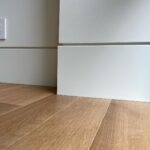
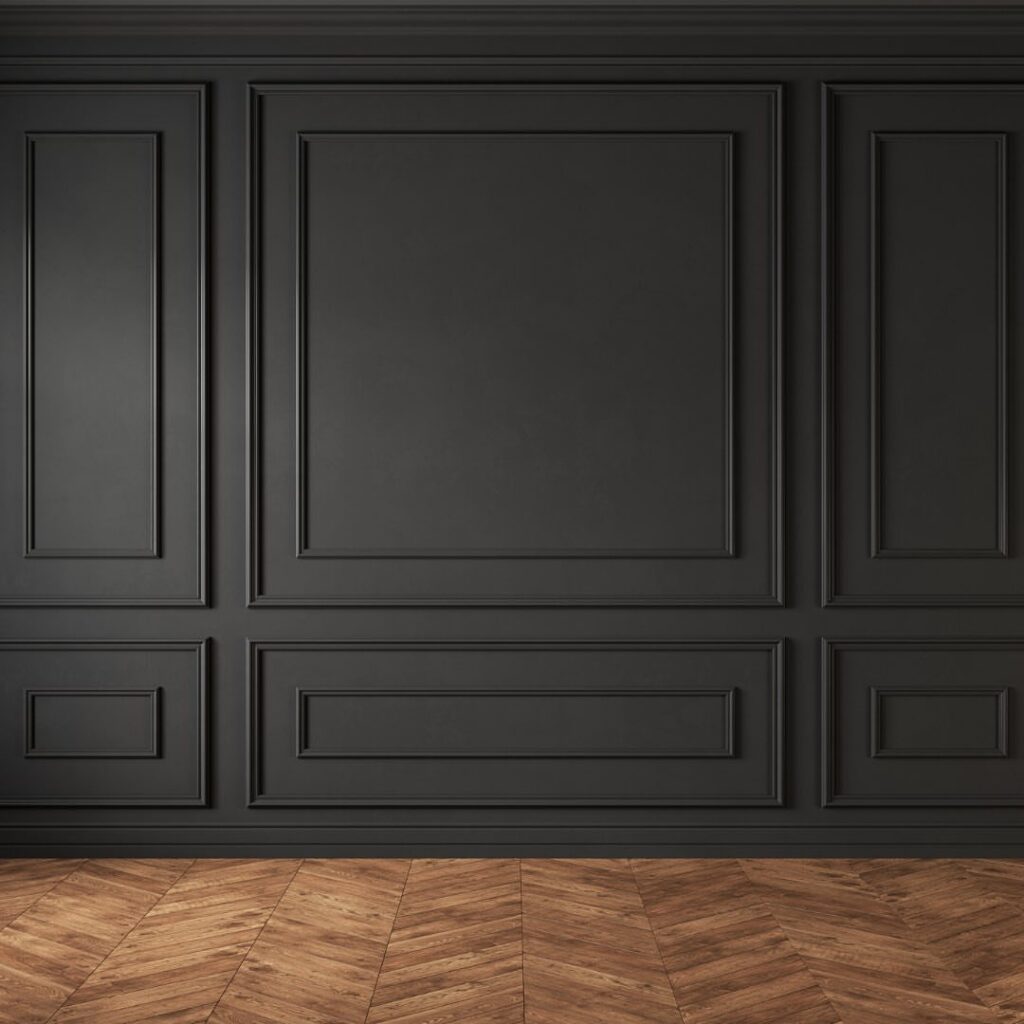
These accent walls with trim run from a basic miter box weekend to projects that need a chalk line grid and rented ladder, with material costs climbing once a pattern starts eating extra board feet per square foot.
The deciding factor is how much patience you have for angle cuts, since some of these ideas collapse visibly if a joint drifts while others hide imperfect corners behind a chair rail.
A 60-degree miter saw setting turns ordinary wood trim into peaks sharp enough to warm a bedroom in oak or push an entryway toward charcoal modernity, depending on the stain you choose.
[link-whisper-related-posts]1. Picture Frame Molding
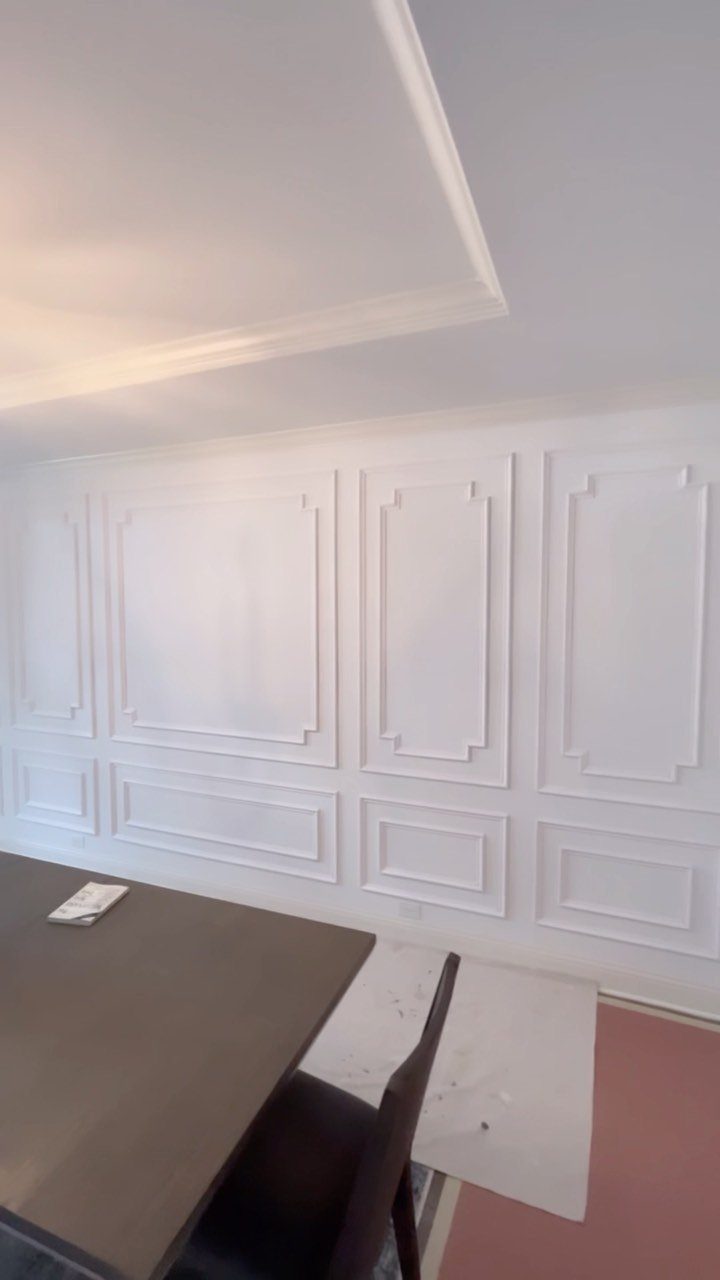
Thin trim strips arranged into rectangles give a wall the quiet structure of a gallery without the art. I like this best in spaces that already feel busy; the molding adds interest without another color competing for attention.
Spacing matters more than the frames themselves. Wider gaps keep the wall feeling open, while tighter grids read more formal.
Paint the inner panels a shade different from the outer wall if you want the shapes to pop, though the same color throughout is safer if your furniture is doing most of the talking.
Hallways and dining rooms suit this particularly well. Every joint shows, so corners need patience and a free Saturday.
A weekend is enough for one wall if your cuts are clean.
2. Wood Trim Accent Walls
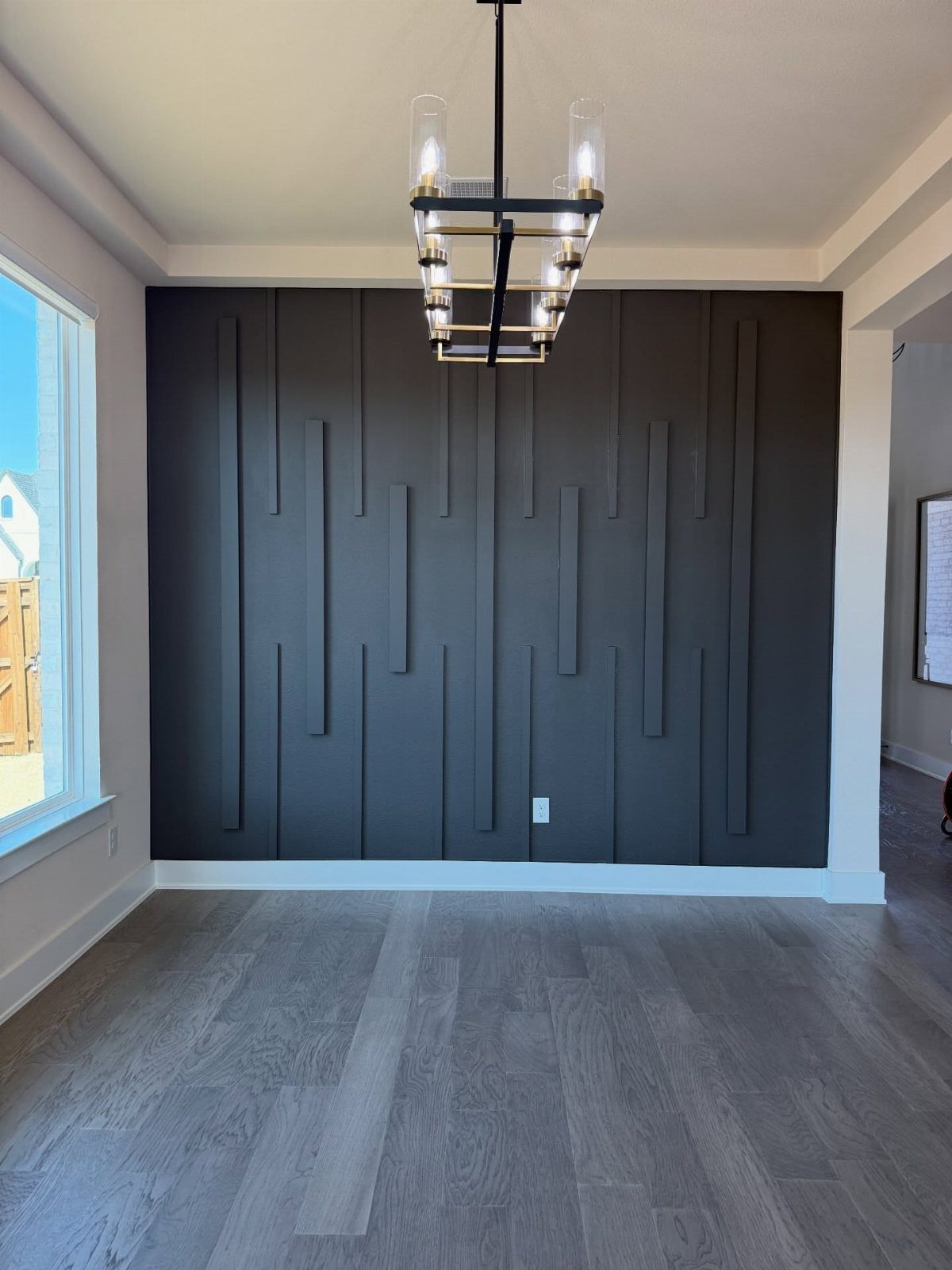
Charcoal-to-black reads modern, but the same technique in oak or pine would warm up a bedroom just as effectively.
Angles change the whole feel. Most guides default to 45 degrees, but steeper 60- and 30-degree cuts give sharper peaks and valleys.
That takes a miter saw and a few extra test cuts, nothing more.
Durability counts here since the edges take bumps. Solid wood holds up better than veneer if you have kids or dogs brushing past.
Budget a full weekend; the layout takes longer than the nailing.
Accent walls are a great way to instantly upgrade a space—paint, texture, or a simple gallery setup can make a big impact without much effort.
3. Geometric Design
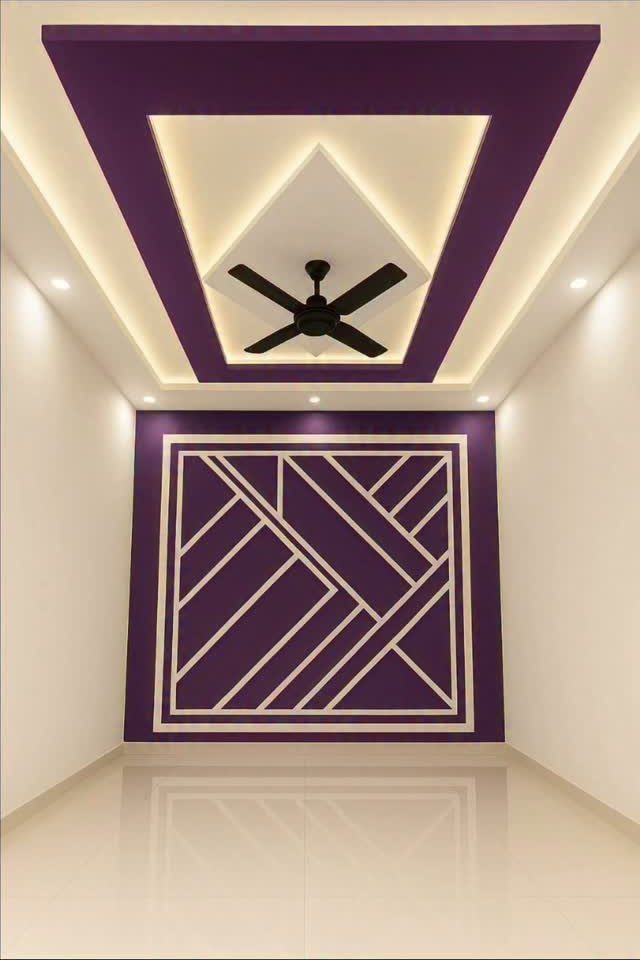
Intersecting lines in a single bold color against a contrasting wall turn trim into something closer to built-in sculpture. Purple and white is dramatic, but the same approach in two neutrals would settle into a living room without shouting.
Hexagons, triangles, or abstract interlocking shapes all work; pick one pattern and carry it across the whole wall. Half-measures look like mistakes.
Paint everything one color for subtlety, or use contrasting shades to make the geometry the main event.
Ceilings can repeat the motif if you are already renting a ladder. That second step pushes this past a single weekend unless the room is small.
4. Half Wall Trim
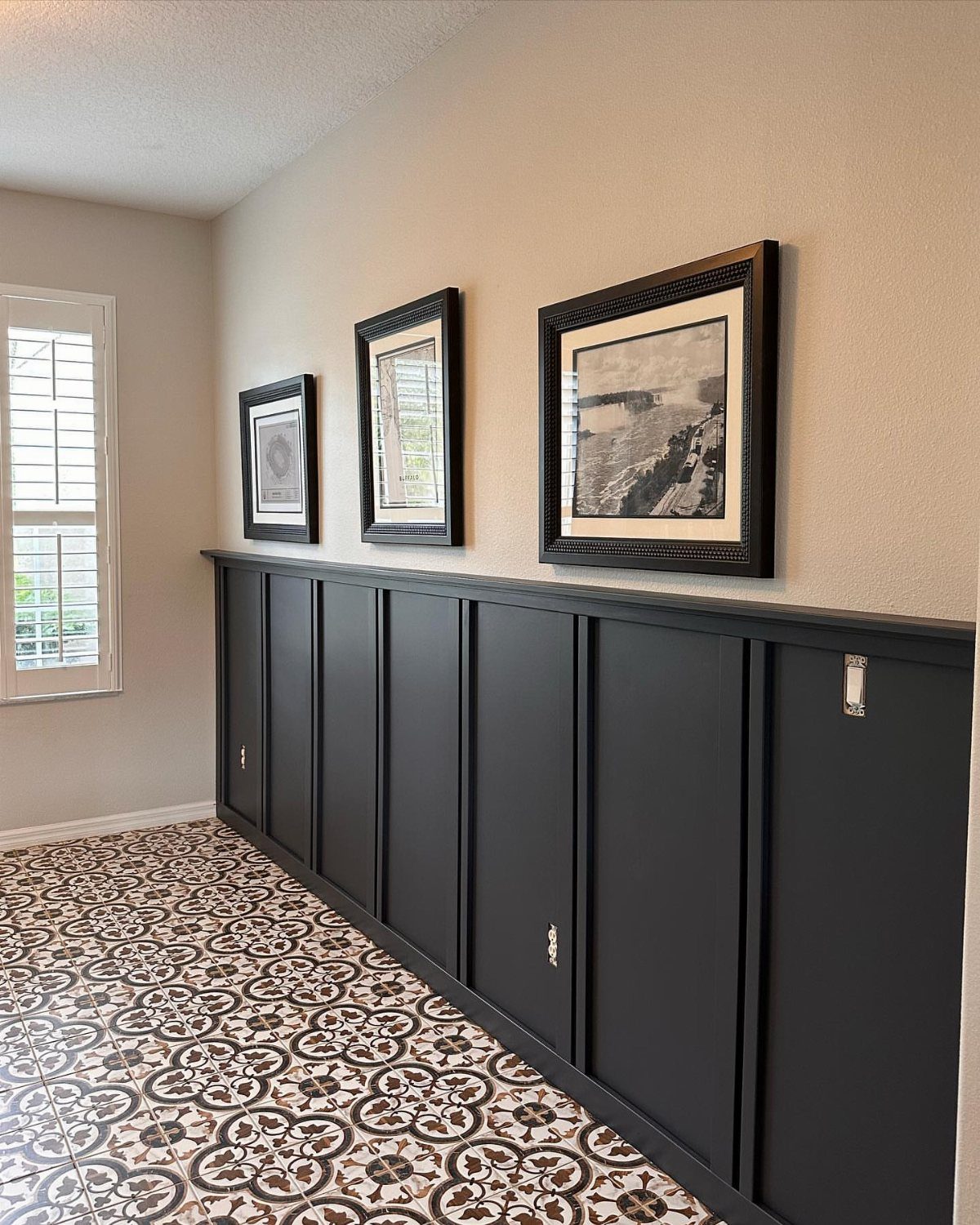
Wainscoting on the lower half keeps the detail where people actually look, leaving the upper wall open for art or plain color. Dark grey against beige gives traditional bones a contemporary weight.
A chair rail caps the transition; paint the lower section darker for grounding, or flip it and paper the top half if you want pattern without it overwhelming the room.
The ledge that forms catches dust and drinks, which is either useful or annoying depending on your household.
This suits rooms where you want character without the busyness of a full treatment. Entryways and dining rooms benefit most.
The installation is forgiving; imperfect cuts hide behind the rail.
5. Vertical Paneling
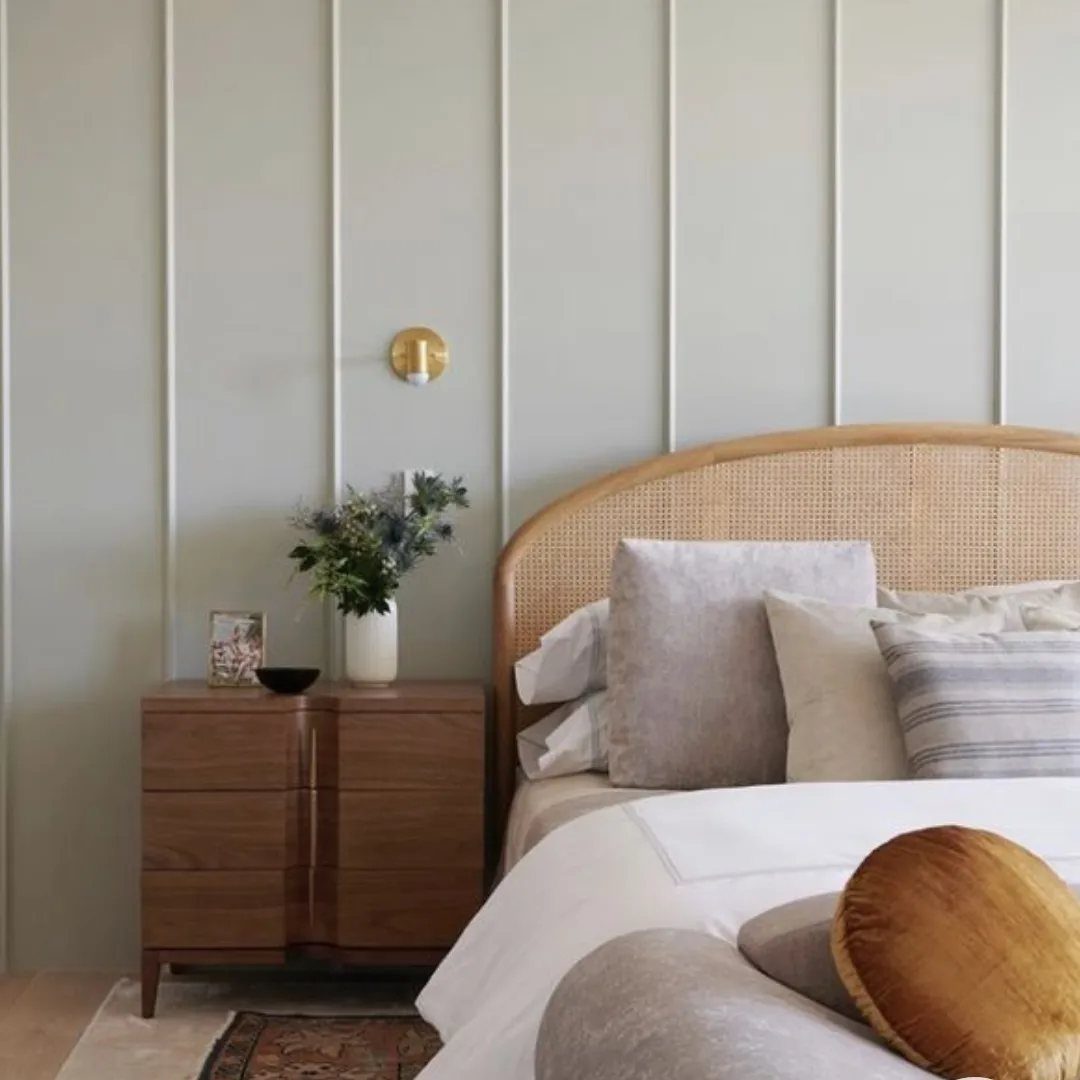
Pale green slats running floor to ceiling stretch a wall upward, which makes low ceilings feel less pressing.
Painted slats in white or grey shift the same boards cooler and more urban; raw wood keeps it warm against cane or linen.
Keep every strip the same color as the wall behind it and the shadow does the work. Light changes the depth dramatically, so check your progress at different times of day before committing to spacing.
Too tight and it reads busy; too loose and the effect drifts toward fence rail.
Sound absorption is a side benefit worth mentioning for home offices. One wall, one weekend, basic miter box.
6. Herringbone Pattern
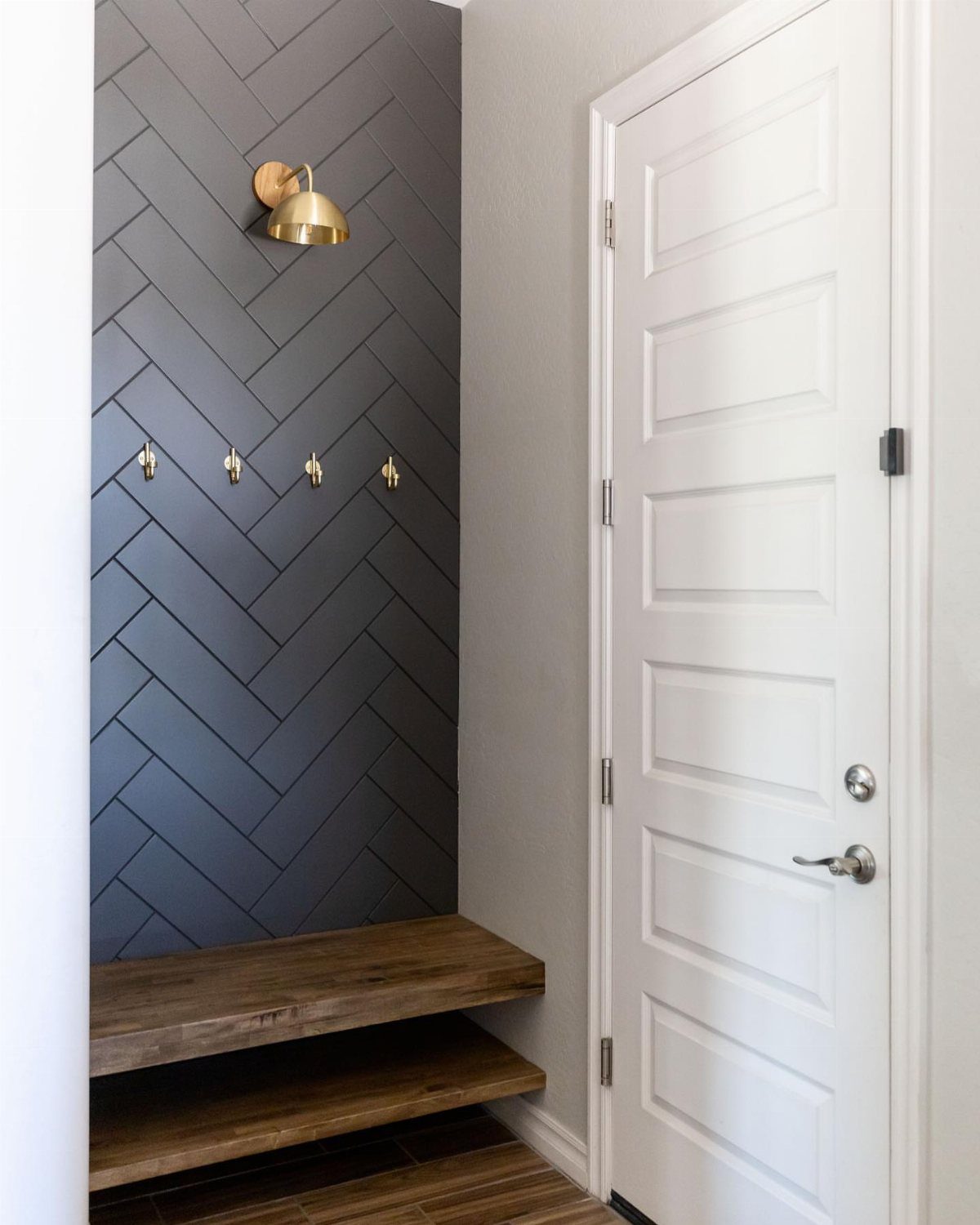
Zig-zag trim laid in a repeating V gives a wall motion that static panels cannot match. Dark grey and brass reads entryway-appropriate, but natural wood tones behind a bed would feel like a headboard that grew to fill the wall.
Natural wood highlights the geometry; paint subdues it. Either choice demands patience at the cuts, since every angle must match or the pattern unravels visibly.
A brad nailer helps, but the layout is what eats time. Snap a chalk line grid first and work outward from the center.
This trades simplicity for impact. I would not attempt it as a first trim project unless the wall is small and the beer is cold.
An entry or a wall behind a bed is where one wall can carry the whole room.
7. Blush Pink Wall Paneling
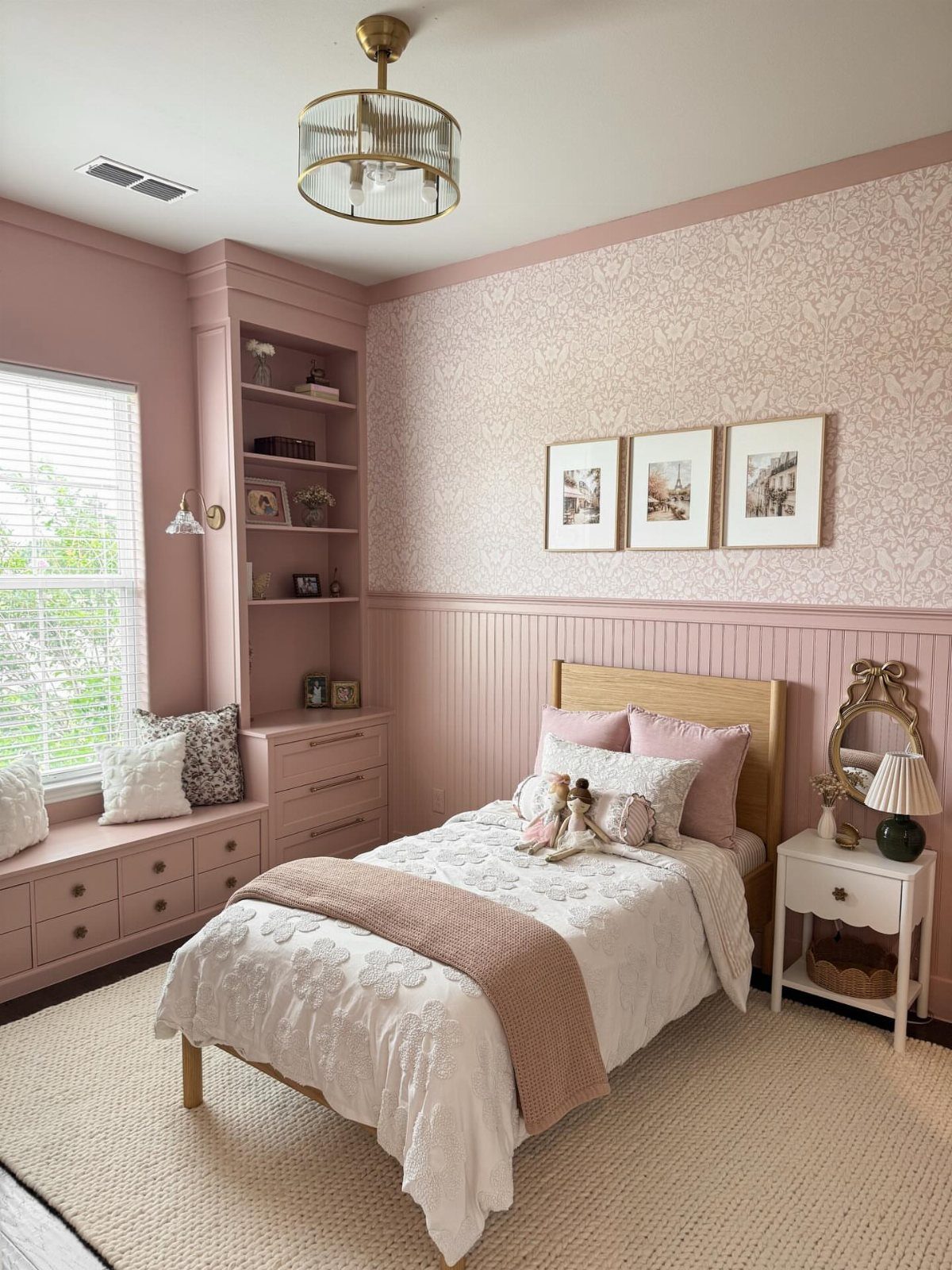
Blush pink turns wainscoting into something far less formal than the white beadboard you grew up with. The vertical lines keep the look structured, but the color shifts the whole mood toward something softer.
I would use this in a bedroom where you want the wall to do the decorative work so the rest of the room can stay simple.
Pink paneling below and patterned paper above layers without clutter; you could just as easily paint the upper wall flat white and let the trim carry the room.
A glossy finish catches light differently than matte, almost shimmering in late afternoon sun. That sheen costs nothing extra in paint grade but changes the effect entirely.
For a dressing area or a child’s room that needs to transition as they age, this color sits in a useful middle space: not babyish, not severe.
8. Chevron Pattern
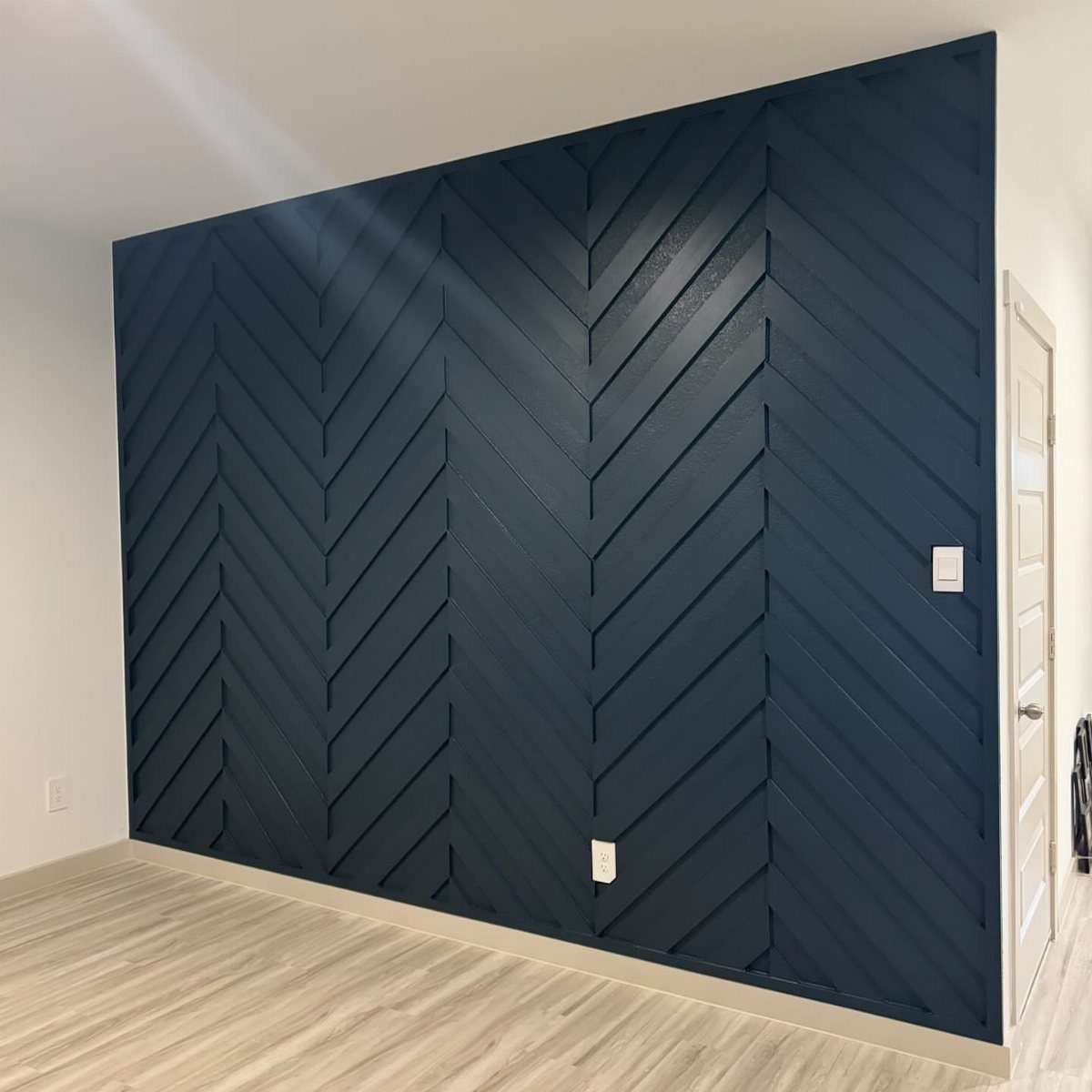
The V-shape reads as movement even in an empty room, which makes it a strong choice for a wall that faces the door.
Dark stain or paint on the trim against a lighter wall keeps the geometry visible without demanding more furniture or art.
Cutting the angles accurately is the part that takes time. Each joint has to close tight or the pattern looks handmade in the wrong way.
A miter saw helps, but I have seen it done with a hand saw and a careful pencil line if the budget is tight and the patience is there.
Behind a bed or a desk, the symmetry gives the room an anchor. For a fireplace wall, the vertical thrust draws the eye up.
Natural wood tones warm the effect; dark colors push it contemporary. This pattern uses more trim than a straight grid, so material costs run higher per square foot.
9. Modern Grid Pattern
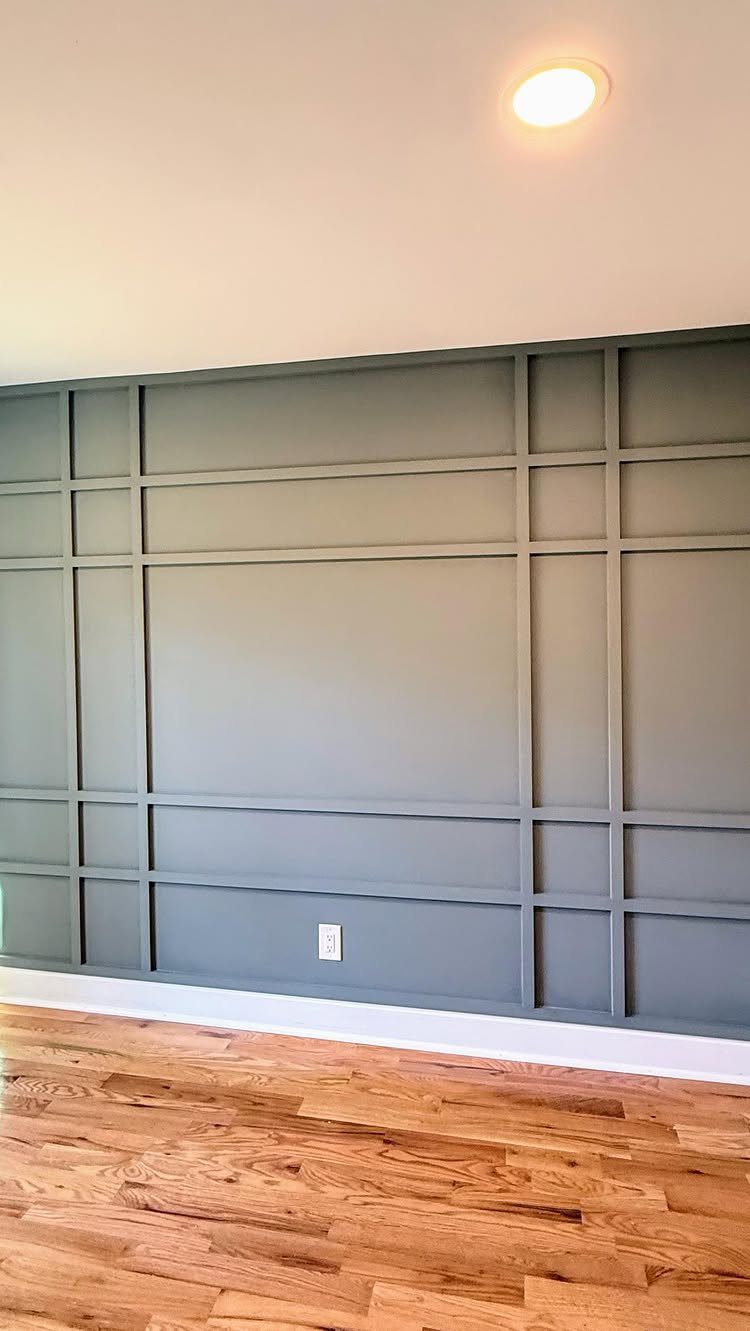
Thin trim and consistent spacing are what separate this from the board-and-batten your grandparents had. The rectangles here are large and few, which reads as calm rather than busy.
Measure the wall, decide on a module, and stick to it. I would mark every line before cutting anything; the whole effect collapses if one rectangle drifts wider than its neighbor.
Paint the wall and the trim the same color, as in the gray example, and the grid becomes texture rather than pattern. Paint them different colors and the lines dominate.
This suits a room where you already own the statement pieces, a sofa or a bed you want to feature, because the wall steps back visually while still adding interest.
The work is mostly math and patience, not specialized skill, and the materials run light compared to solid paneling.
Benefits of Wood Trim
Wood trim does more than cover gaps. The grain gives a wall something to rest on visually, especially in rooms that feel sterile after a fresh paint job.
Oak or walnut against pale plaster adds depth without demanding another color.
Veneer or MDF costs less upfront but shows dents faster in high-traffic spots. I would spend the extra on entryways or kids’ rooms where the wall takes contact daily.
The same boards painted matte black shift from warm to architectural. That flexibility means one material can read farmhouse or modern depending on finish alone.
Installation Tips
Measure at the floor, the midpoint, and near the ceiling; walls are rarely flat all the way up. Walls are rarely flat; a board cut to the floor-to-ceiling length at the left corner may gap at the right.
I mark every stud before lifting anything.
Hand-nailing trim is possible but adds hours and the occasional crooked fastener. Patch every nail hole after the trim is up, sand smooth, then run caulk along the seams before any paint goes on.
Paint rolls on faster, though a sprayer saves the streak marks that show up on camera and in afternoon light.
Check level every third piece. Small errors compound across a wall, and the last board will not forgive the first.
Choosing Materials
Oak and walnut wear the longest and take stain predictably. Pine costs less per board foot but dents easier; save it for walls that furniture shields.
MDF runs cheaper still and paints smooth, though it swells if moisture hits the edges.
Finish matters as much as species. Raw wood against a white wall gives contrast through tone alone.
The leftover finds use as shelf edging or drawer pulls later.
Color Combinations
Dark trim on a light wall gives the clearest read of the pattern. Black or charcoal against off-white is the safest starting point; it works in rooms with mixed wood tones since it does not compete.
Emerald and gold together can feel loud fast. I would keep it to a small powder room or a single wall behind a bed, where the scale stays controlled.
Blush pink on trim with white above softens the geometry into something that suits bedrooms without reading juvenile.
Frequently Asked Questions
What is the best trim for an accent wall?
Solid wood or MDF both work, but the choice depends on the wall type and who lives in the house.
MDF saves money and time on painted jobs, while hardwood like maple or oak holds up better against bumps from kids or dogs.
Geometric or high-impact designs take a beating at the edges, so real wood holds up better if the wall sits in a hallway or behind a sofa that sees daily use.
What is the rule for accent walls?
One wall needs to read differently from the other three, whether through color, texture, or both.
Trim gives you that difference without committing to a full paint color change; picture frame molding in the same shade as the wall still counts because the shadow and structure break the flat surface.
Pick the wall your eye lands on first when you enter, or the one behind the bed or sofa, so the focal point lands where furniture already gathers attention.
Are accent walls outdated in 2026?
No. Accent walls keep selling because they add depth without the cost or risk of treating every surface. Trim-based versions feel current right now because they bring in texture and shadow, not just another paint color.
A weekend project that changes how light moves through a room does not go out of style easily.