Wood floor houses run from hand-scraped texture that hides dog scratches to dark walnut that shows every dust particle, and the right finish depends on whether you want the floor to shout or stay quiet.
I sort the choice by how much daily wear the household actually produces and how much maintenance someone will realistically do.
Wide planks at 6 inches and up burn through more of that 5–10% waste allowance, though you end up with fewer seams breaking up an open kitchen.
[link-whisper-related-posts]1. Hand-Scraped Floors
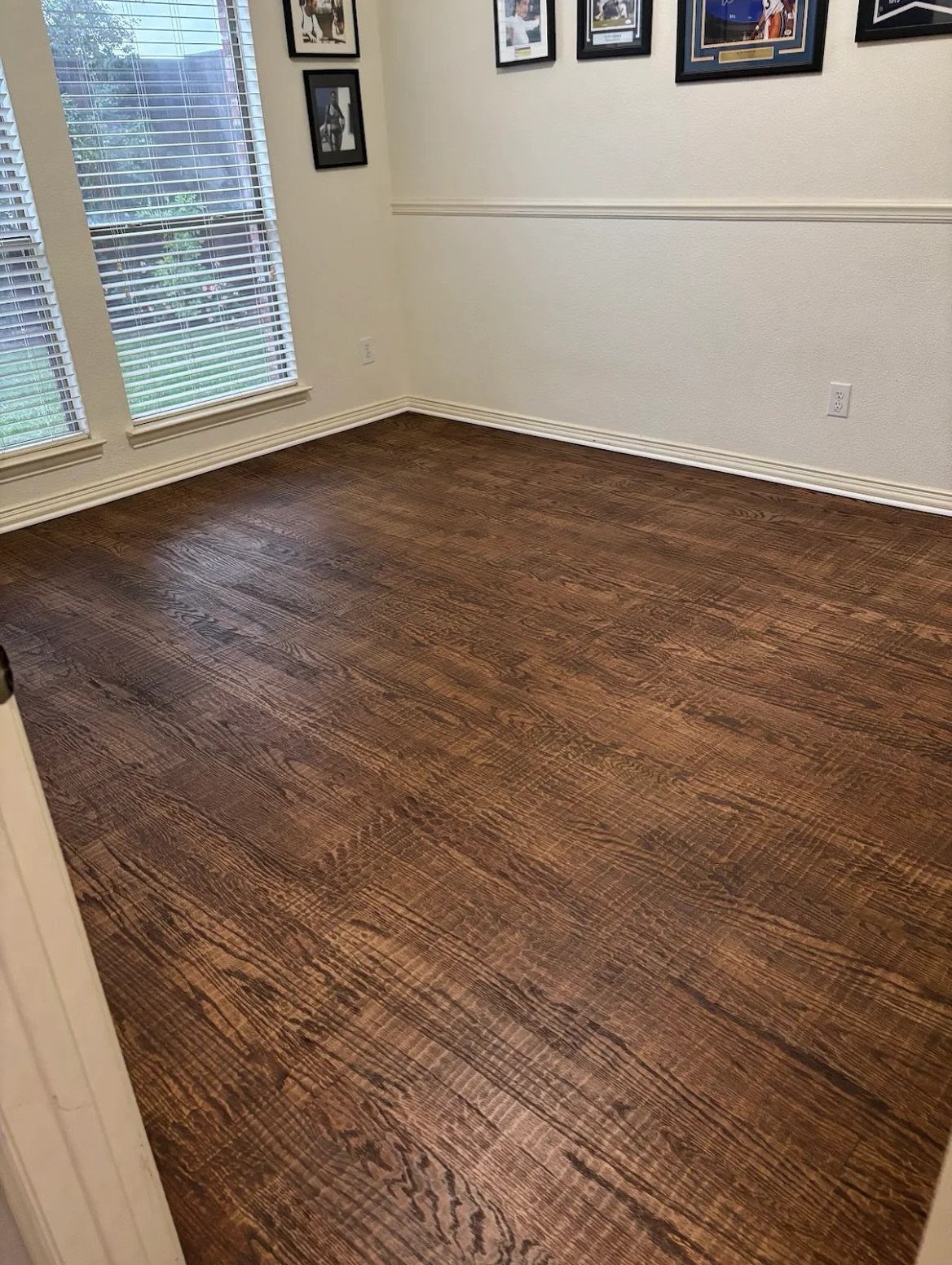
Hand-scraped floors carry deliberate surface variation, soft distressing, and a relaxed texture that reads as lived-in from day one.
I point people toward this finish when the house already runs warm; farmhouse kitchens, rustic-modern living rooms, and spaces with beams or stone fireplaces absorb it naturally.
The texture hides small marks and daily wear better than any smooth finish, which matters in busy households with kids or dogs. A newer build gains instant character without going full cabin.
Textured layouts eat more material to standard cuts, so I pad my order heavier than I would for plain boards.
This finish trades a sleek, contemporary look for warmth and forgiveness, so skip it if your furniture and trim read sharp and minimal.
2. Dark Wood Flooring
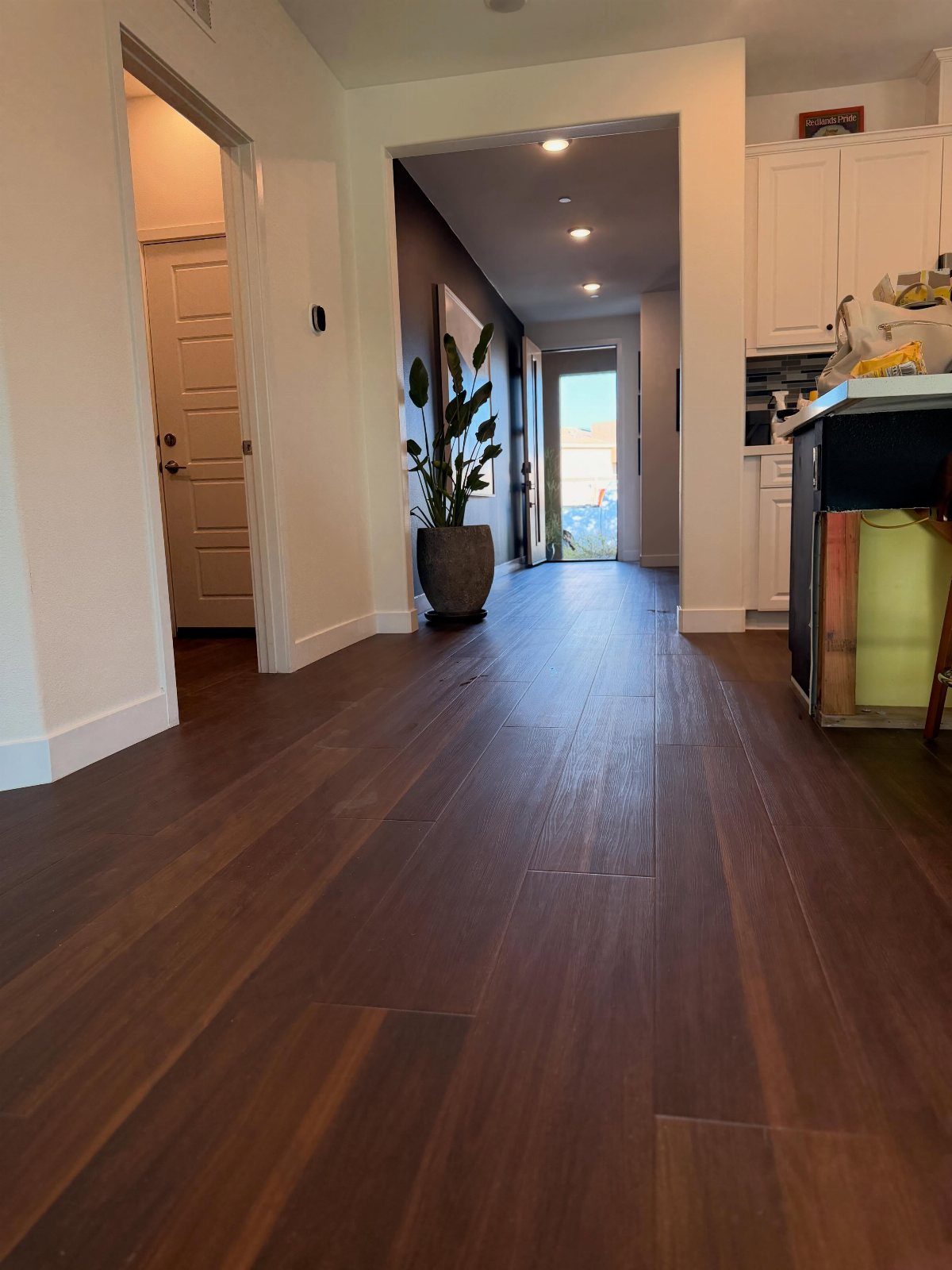
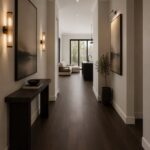
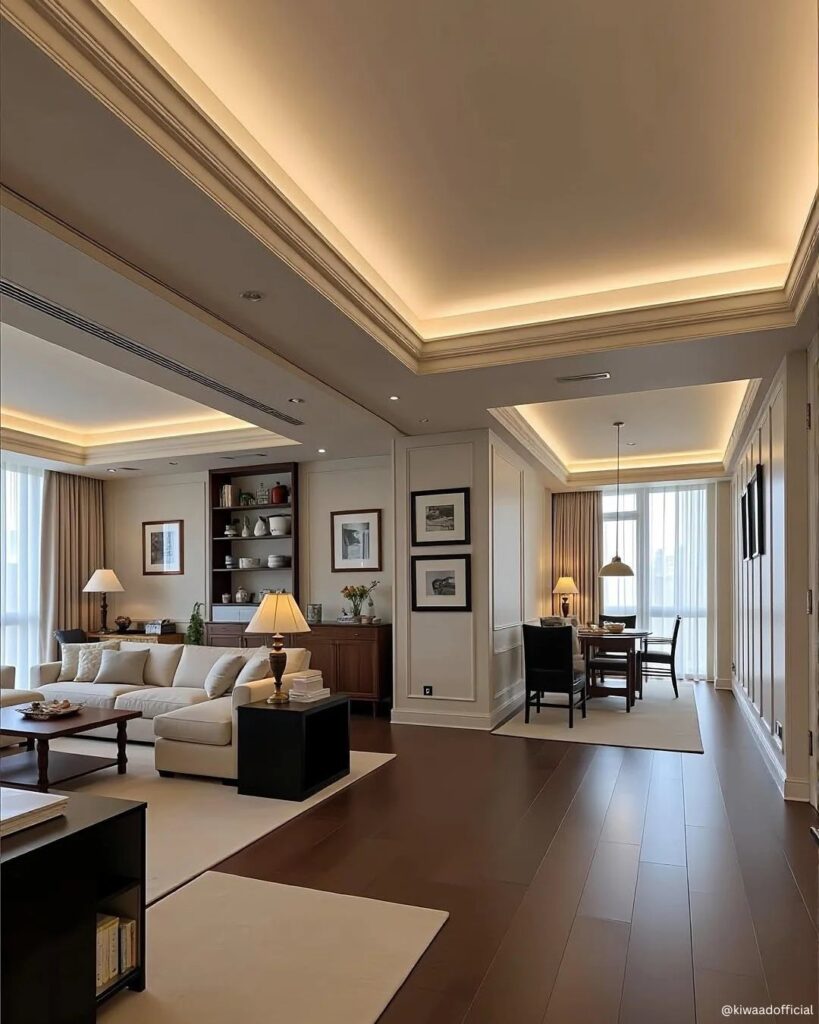
Dark wood flooring brings depth and a formal tone that lighter options cannot match. Walnut and espresso finishes suit executive-style dining rooms and traditional interiors where you want richness instead of airiness.
The trade is upkeep: every dust particle, scratch, and water spot shows sooner than on mid-tone or pale floors. Balance dark planks with light walls and lighter furniture so the room stays open instead of closing in.
Stain selection shapes the final look; penetrating pigments shift the wood color and pull out grain before the protective coat, so I sample on site and check morning and evening light.
This choice suits someone who values the look enough to stay on top of maintenance.
3. Herringbone and Chevron Patterns
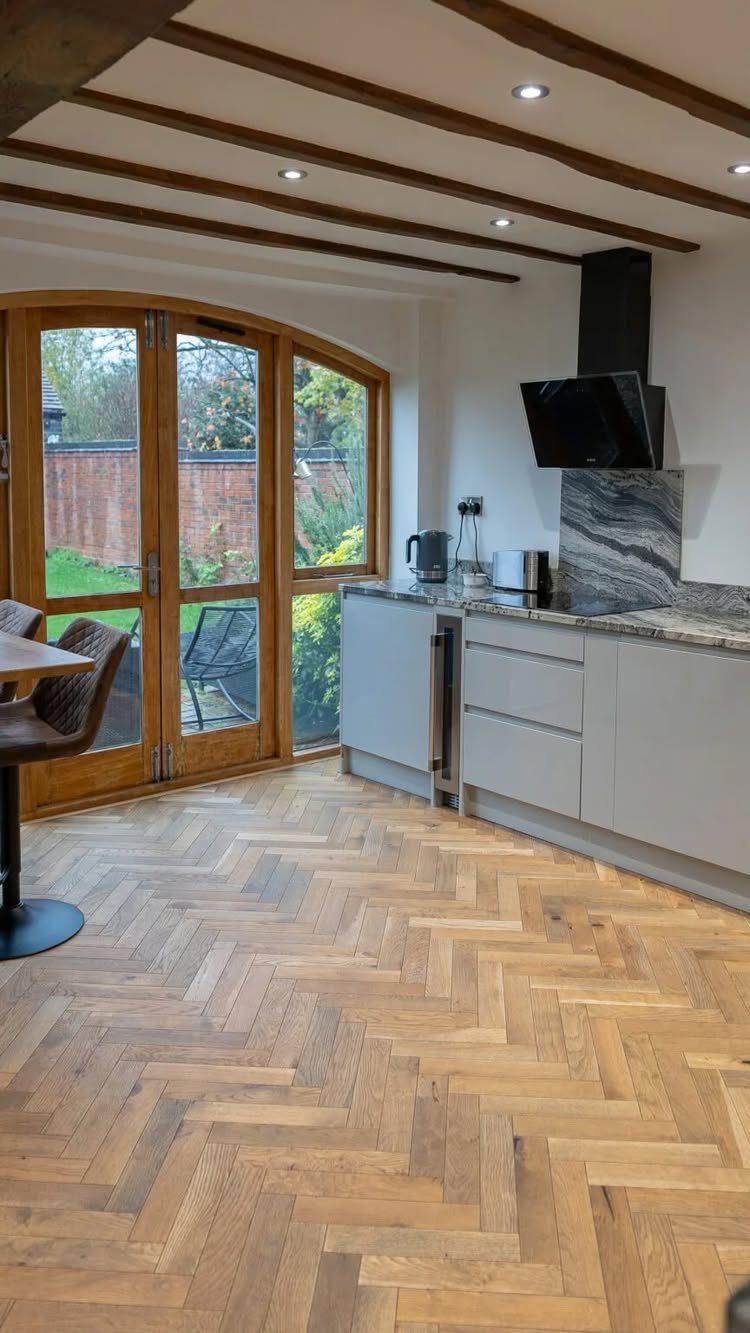
Herringbone and chevron patterns add movement and a custom feel, but they need a room that can carry that much visual weight. Herringbone interlocks short boards in a V-shape; chevron cuts boards on a diagonal so their ends align flush.
Both require careful planning and a skilled installer, and waste runs higher than straight plank layouts.
The pattern reads as classic craftsmanship without dating itself, which works in historic-style renovations or any space where you want the floor to do the heavy lifting visually.
Skip it in small, chopped-up rooms; the pattern needs room to breathe and repeat.
4. Light White Oak Floors
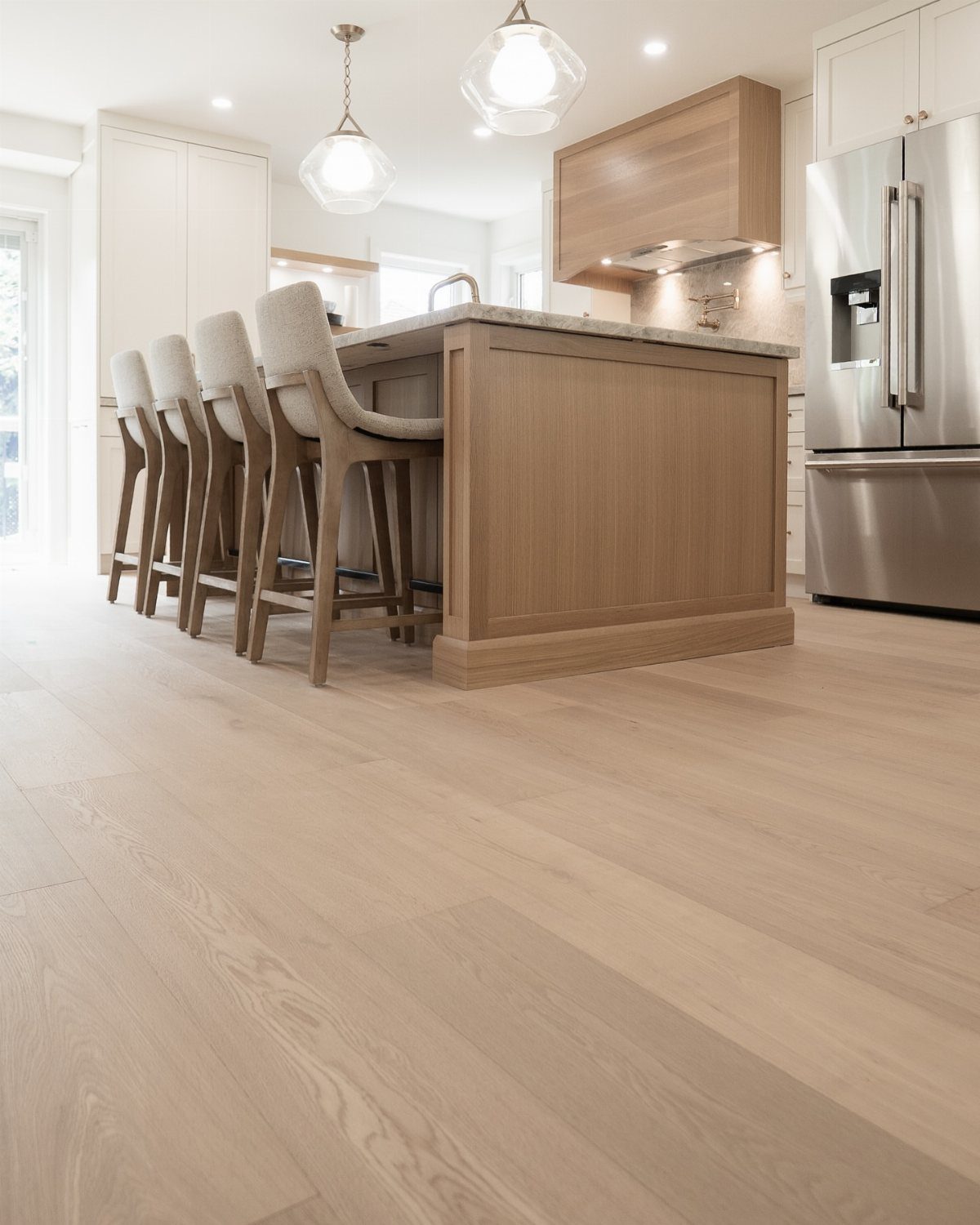
Light white oak floors set a tone that feels open, calm, and optimistic against the weight of a very dark stain.
This is the choice I suggest when a client wants one floor to outlast trend cycles; it pairs with any furniture style and wall color you throw at it.
The pale tone bounces light around smaller or north-facing rooms, and the grain stays visible without shouting. White oak takes stain predictably if you ever want to shift warmer or cooler, though most people leave it natural.
It does not hide dirt as well as mid-tones, but it forgives dust better than espresso or ebony. For a timeless base that will not fight your next sofa or paint color, this is the hardwood I would pick.
5. Wide Plank Hardwood Flooring
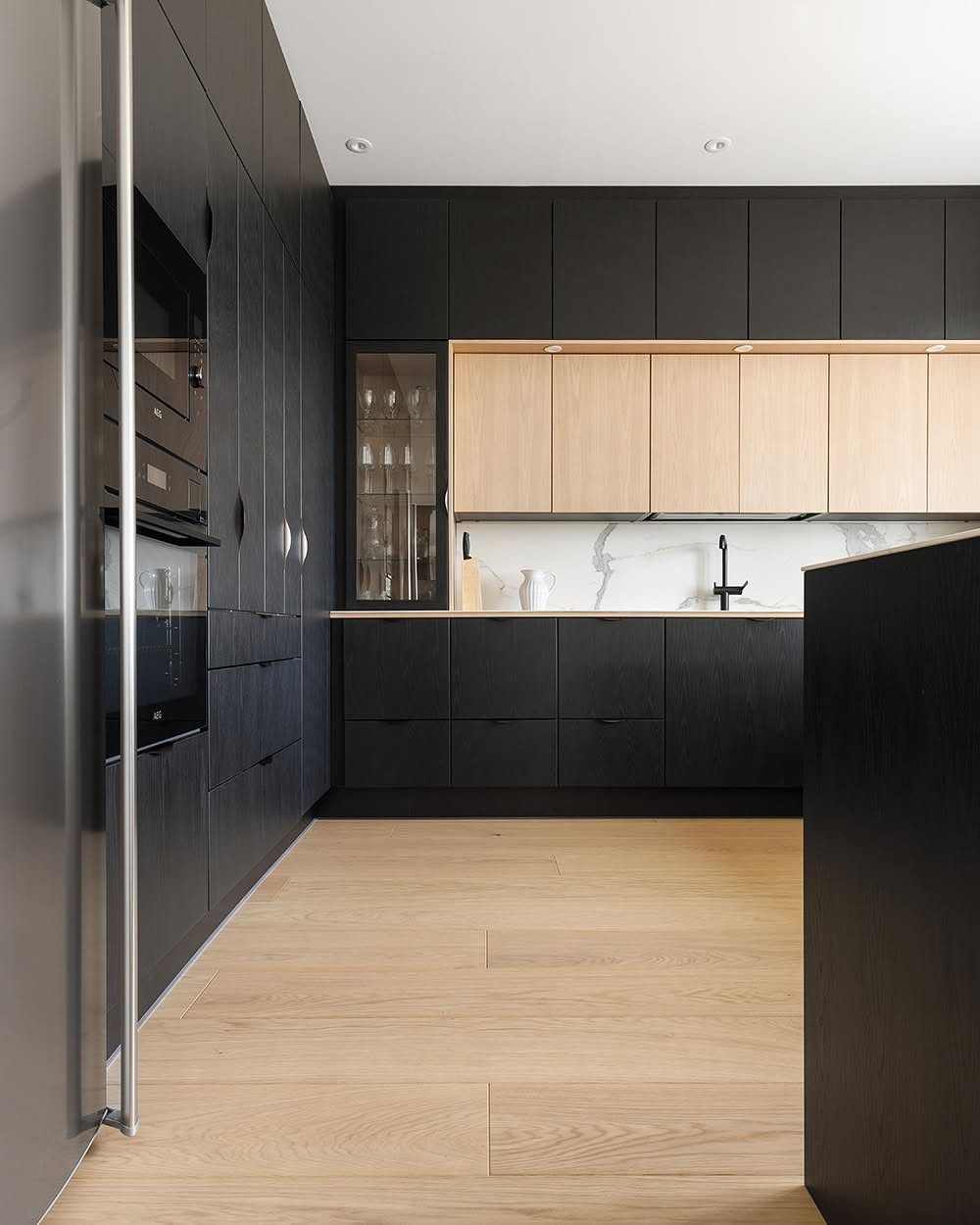
Wide plank hardwood, usually 6 inches and up, creates a cleaner, less busy look because fewer seams break the visual field. I like this in larger open kitchens and living areas where standard narrow strips would read as pinstripes.
White oak and walnut dominate this category for good reason; both carry enough grain interest to hold the eye across a broad board.
The width shows more character per plank, including knots and color variation, so inspect bundles carefully if you prefer consistency.
Order toward the higher end of the 5–10% waste allowance; wide planks mean fewer cuts but more obvious mistakes if one warps or splits.
Engineered construction with a genuine hardwood layer over plywood brings the look down in cost, and pre-finished options skip the sanding and site-finish labor entirely.
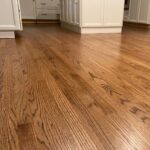
6. Reddish Brown Hardwood Floors
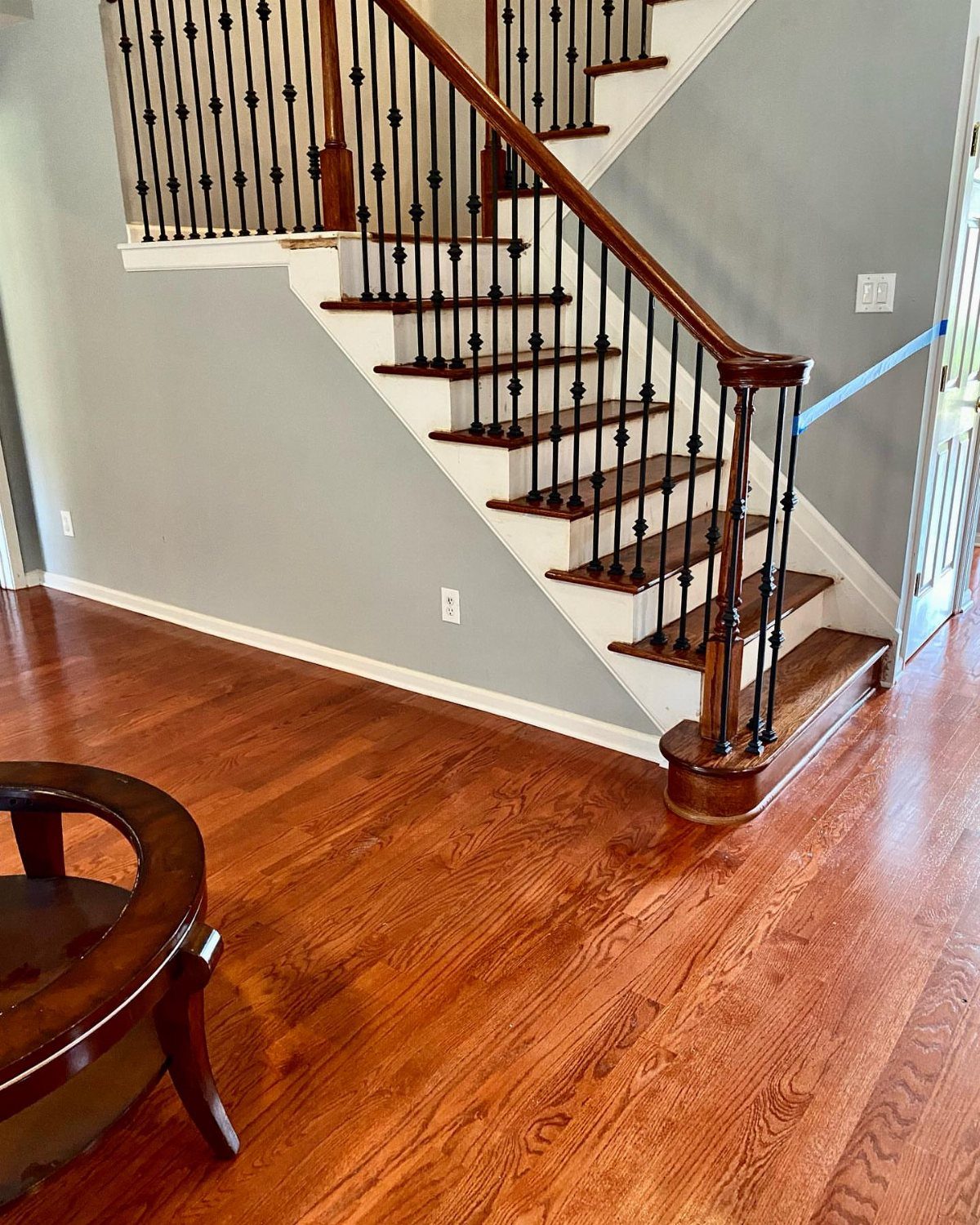
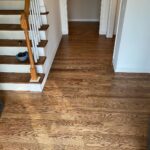
Reddish-brown hardwood floors carry a polished warmth that reads as traditional and intentional. I notice this tone most often in homes where the flooring connects to a staircase with matching treads, carrying one wood species through multiple levels for cohesion.
Solid hardwood allows refinishing later if the tone falls out of favor; engineered construction trades that future flexibility for stability in humid climates.
7. Light Brown Oak Floors
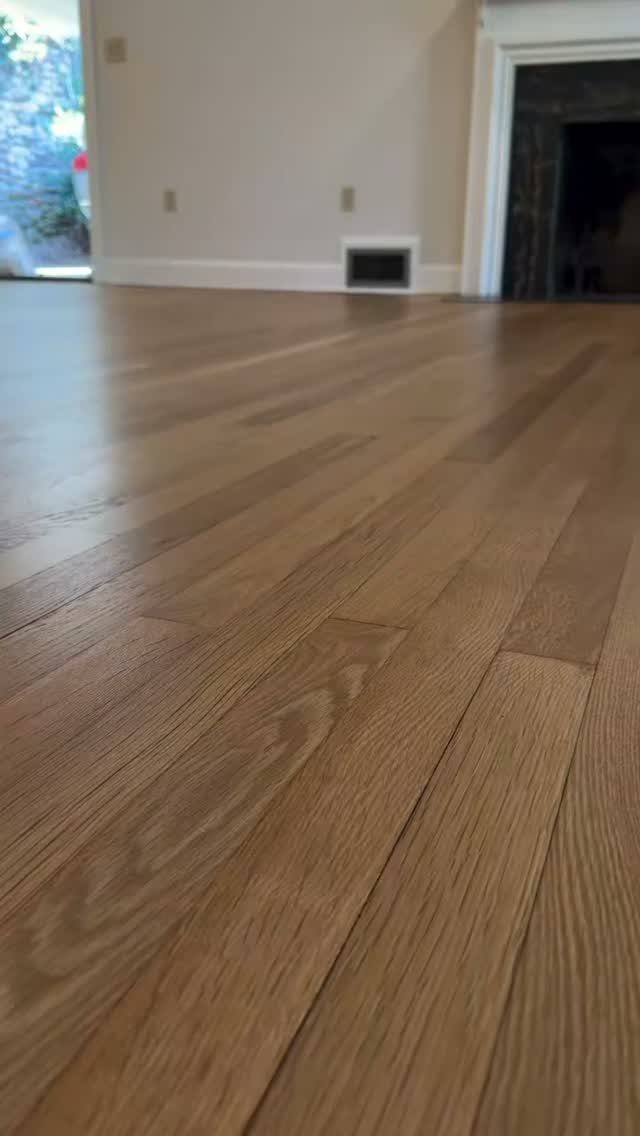
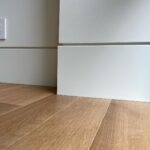
Light brown oak sits in the middle of the tone range, warm enough to hide dust better than pale floors but restrained enough to keep a room feeling open.
I have seen this shade read as "natural" in bright rooms and turn noticeably richer where the light drops off toward hallways.
The grain shows through clearly at this tone, so the cut matters. Plainsawn boards give you the traditional cathedral arches in the grain; quartersawn runs straighter and stays flatter over time.
Both work, but I would pick quartersawn for a space that gets sun from one side, since it expands less across the width.
This is the floor I would point a renter toward who wants to fake permanence without fighting the landlord’s beige walls. It accepts furniture from any era without announcing itself.
A matte or low-sheen finish keeps the casual feeling; high gloss here starts to look like a showroom.
Choosing the Right Wood
Board size shapes how a floor behaves over time, not just how it looks. Wider boards open up a room but telegraph movement more easily; narrow strips stay flatter through seasonal swings.
Oak and hickory take the beating from chairs, dog nails, and daily traffic without showing it the way softer woods do. Softer woods dent faster, so I would keep them to bedrooms or low-traffic corners.
Moisture sensitivity decides solid versus engineered. Solid hardwood expands and contracts with humidity, which can cup or gap the boards.
Engineered construction, with its layered core, handles humidity swings better; I would put it in kitchens, basements, or anywhere the HVAC runs uneven.
Installation method ties straight to what is underneath. Plywood subfloors take nails, glue, or floating floors.
Concrete slabs or tile rule out nails entirely, leaving glue-down or floating as the options. Radiant heat demands the thinner, more stable engineered product.
Installation Considerations
What sits underneath decides which installation methods you can actually use. Solid plywood underneath gives you options: nail down solid hardwood, glue it down, or float engineered planks on top.
Laying new wood over old? Thinner boards with the finish already on them keep doorways flush instead of creating a step.
Concrete slab or tile means no nails; floating or glue-down becomes the only path. Radiant floor systems pair better with engineered flooring because it runs thinner and shifts less than solid wood.
Longevity of Wood Floors
Solid hardwood carries the longer lifespan. Some prefinished boards ship with a 50-year warranty, but the material itself can outlast that by decades with proper care.
Engineered doesn’t go as far; once you wear through the thin veneer, you’re done, and most finishes only carry 10 to 30 years of coverage.
The difference sits in the construction. Solid hardwood is one plank all the way through, top to bottom, so you can sand it flat and refinish it again and again.
Each sanding strips off the old stain and dings, and you can switch from honey oak to something darker or matte instead of glossy. Engineered cannot match that flexibility.
Consistent humidity levels and regular upkeep prevent the wear, gaps, and surface damage that age a floor faster than the material itself.
Engineered floorboards are made up of layers of wood veneer (thin sheets of real wood). They often come pre-finished and are actually more durable than solid wood boards when it comes to warping and gaping.
Frequently Asked Questions
Is wooden flooring good for a home?
Yes, wood flooring adds warmth and character to living spaces, and it pairs with nearly any furniture style or wall color.
Solid hardwood suits most rooms above grade, though I would skip it for bathrooms and basements where moisture runs high. Engineered construction handles humidity better and brings the same look down to lower levels.
What type of hardwood flooring is best for my house?
White oak is the hardwood I would pick for a floor that outlasts trend cycles; it takes stain predictably and pairs with any furniture you throw at it.
For heavy traffic, oak and hickory hold up better than softer species like black cherry or black walnut.
How long will wood floors last?
Solid hardwood can last 50 years or more with proper care, and some prefinished boards carry warranties that long. Keeping humidity steady and staying on top of maintenance prevents the gaps and surface damage that shorten either type.